
£13.52 – £14.22Price range: £13.52 through £14.22
Wisteria floribunda ‘Shiro-noda’ is a captivating Japanese Wisteria, renowned for its long, fragrant cascades of pure white flowers. This vigorous climber enchants UK gardens from late spring, attracting beneficial pollinators with its beauty.
1164 in stock
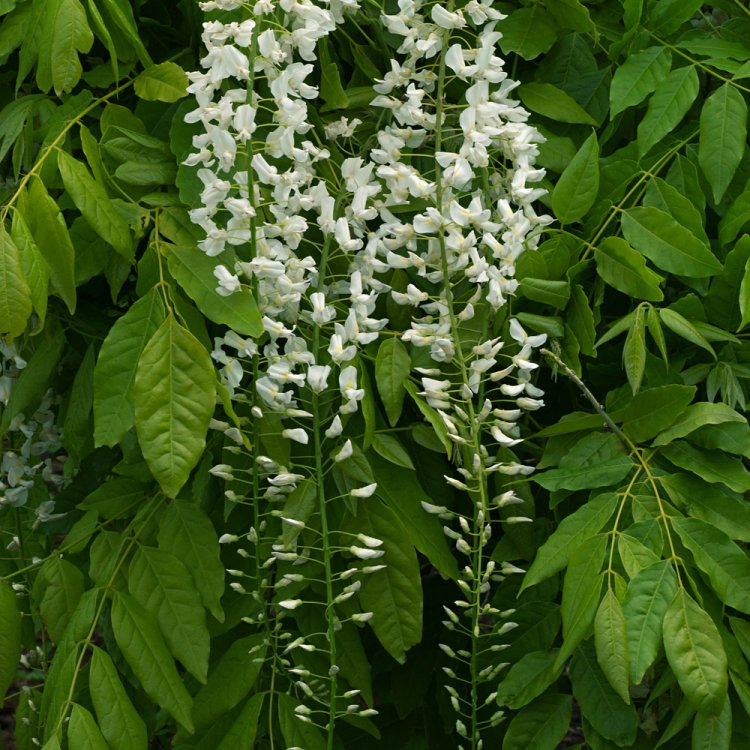
Wisteria floribunda ‘Shiro-noda’ truly captivates with its exquisite cascades of fragrant, pure white blossoms, bringing a touch of elegance to any UK garden.
Japanese Wisteria, specifically the ‘Shiro-noda’ cultivar, is a beloved climbing plant. It originates from Japan, a place known for its rich horticultural history. Its name, ‘Shiro-noda’, directly translates to “white Noda,” referencing its distinctive pure white flowers. This vigorous climber, often called simply Wisteria, produces stunning, long racemes that dangle gracefully. Consequently, it creates a breathtaking visual display. Gardeners across the UK cherish this plant for its beauty and robust nature.
Wisteria floribunda ‘Shiro-noda’ stands out as a superb example of Japanese Wisteria. Its scientific name, Wisteria floribunda, denotes its abundant flowering. Furthermore, the cultivar epithet ‘Shiro-noda’ specifically describes its beautiful white blooms. This plant typically flowers from late spring into early summer in UK gardens. During this time, it produces incredibly long, pendulous racemes. These can reach up to 60 cm in length, creating a dramatic curtain of white.
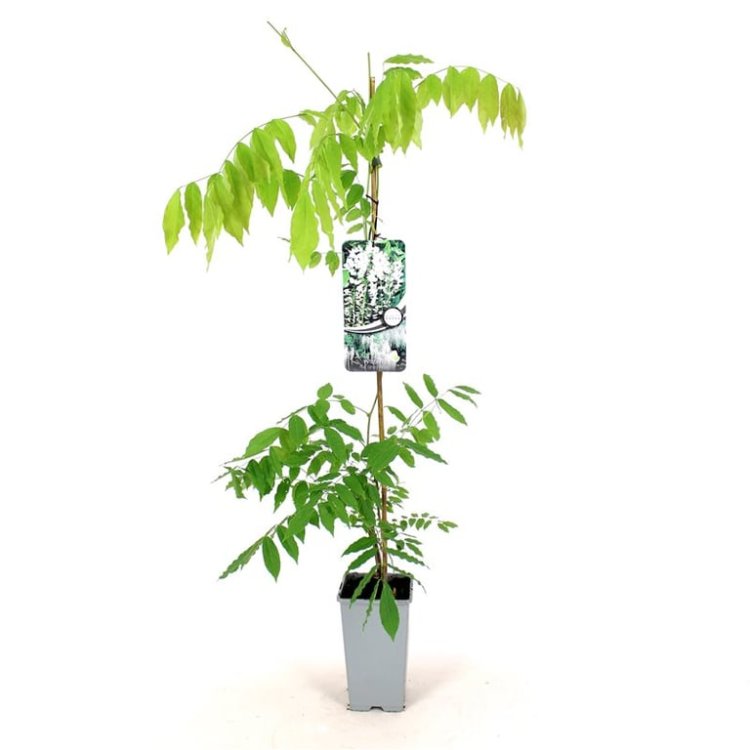
Before the flowers emerge, new leaves unfurl, displaying a fresh green hue. The foliage comprises pinnate leaves, each made up of many small leaflets. As the seasons progress, these leaves mature, providing a dense green backdrop. Eventually, in autumn, the leaves transform into a lovely golden colour. This provides additional seasonal interest before they drop for winter. Being a vigorous, woody climber, Wisteria floribunda ‘Shiro-noda’ actively seeks support. It twines strongly in a clockwise direction, so it requires a sturdy pergola, arch, or wall to climb upon. Thus, it can create magnificent architectural features.
This Japanese Wisteria is a fantastic choice for many garden uses. For example, you can train it over a patio pergola, offering welcome shade and delightful fragrance. Moreover, it looks stunning when allowed to drape over a sturdy archway, forming an enchanting entrance. Many gardeners also use Wisteria floribunda ‘Shiro-noda’ to cover unsightly walls or fences. Regular pruning is essential to maintain its shape and encourage prolific flowering. This usually involves summer and winter pruning. Its abundant flowers are also very attractive to local wildlife. Bees and butterflies frequently visit the blossoms, drawn by their sweet nectar. Consequently, it supports local ecosystems within your garden.
Very hardy. Tolerates temperatures typical of a continental winter.
Provide a strong, permanent support structure for this vigorous climber. Water regularly during dry spells, especially in its first year. Feed in spring with a balanced fertiliser. Prune twice yearly: in summer (after flowering) to shorten whippy growth and again in winter to further reduce stems, encouraging flower bud formation.
This plant is deciduous so it will lose all of its leaves in the autumn and get fresh new foliage each spring.