£3.10 – £3.80Price range: £3.10 through £3.80
Weigela ‘Candida’ brings classic elegance to your UK garden. Enjoy abundant pure white, bell-shaped flowers from late spring to summer. This vigorous, easy-care shrub attracts vital pollinators, thrives in sun, and offers a beautiful, low-maintenance display.
142 in stock
Weigela ‘Candida’ lights up UK gardens. Its abundant, pure white flowers bring delightful, classic charm to any sunny spot.
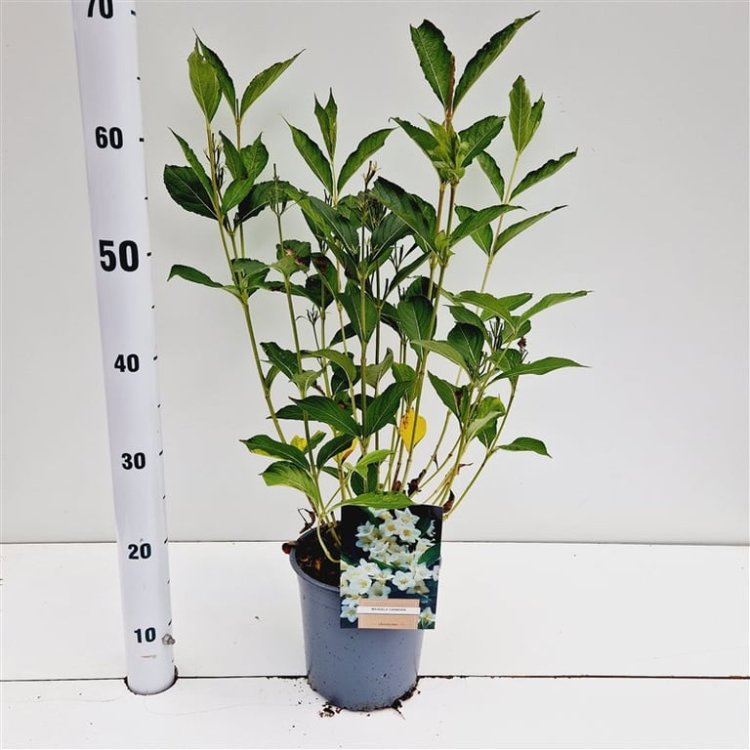
Embrace the timeless elegance of Weigela ‘Candida’, a robust and beautiful deciduous shrub. This garden favourite offers a spectacular display of white bell-shaped flowers each late spring and early summer. It grows vigorously and is easy to care for. This makes it a superb choice for all UK gardeners. With its bright blooms and fresh green foliage, it truly stands out.
The name Weigela ‘Candida’ perfectly describes this striking shrub. ‘Candida’ is Latin for ‘shining white’, reflecting its pristine, snowy blossoms. This cultivar forms part of the Weigela genus, named after the German scientist Christian Ehrenfried Weigel. Gardeners cherish this genus for its hardiness and vibrant floral displays. This particular variety offers a clear, bright aesthetic.
From May through to July, Weigela ‘Candida’ becomes cloaked in countless funnel-shaped, pure white flowers. These delicate blooms emerge along its branches, creating a stunning visual impact. Each flower is a beacon for pollinators. Buzzing bees and graceful butterflies eagerly visit them. As a result, your garden will hum with life. The blooms contrast beautifully with the fresh, light green, oval leaves. These leaves hold their colour well throughout the spring and summer. Then, in autumn, they often develop soft yellow tones before dropping for winter.
This upright, spreading shrub reaches a mature height and spread of around 2.5 metres. Weigela ‘Candida’ makes a superb specimen plant. It stands alone as a focal point. Furthermore, it works wonderfully in mixed shrub borders, adding structure and brightness. Plant it to create an informal hedge or screen, particularly along a garden boundary. Its dense growth provides good coverage. Consider planting it near a patio or seating area. This allows you to fully appreciate its charm and the visiting wildlife. Its adaptable nature means it suits many garden styles.
Regular pruning helps maintain the plant’s shape. It also encourages more vigorous flowering the following year. Gardeners should prune Weigela ‘Candida’ shortly after its flowering period finishes, typically in mid to late summer. Simply remove any spent flowers. Cut back a third of the oldest stems to the ground. This keeps the plant fresh and healthy. Beyond its beauty, this Weigela provides vital nectar for local bees and butterflies. Consequently, it supports biodiversity in your garden. It acts as a valuable resource for these beneficial insects.
Very hardy. Tolerates temperatures typical of a continental winter.
Weigela 'Candida' is relatively low-maintenance. Water regularly during dry spells, especially in its first year, to ensure good establishment. Apply a balanced, general-purpose fertiliser in spring to encourage healthy growth and flowering. Prune the shrub immediately after flowering finishes in mid to late summer. Remove about a third of the oldest, weakest stems at the base to promote new, vigorous growth and future blooms. Deadhead spent flowers for a tidier appearance. Ensure good air circulation to prevent fungal issues.
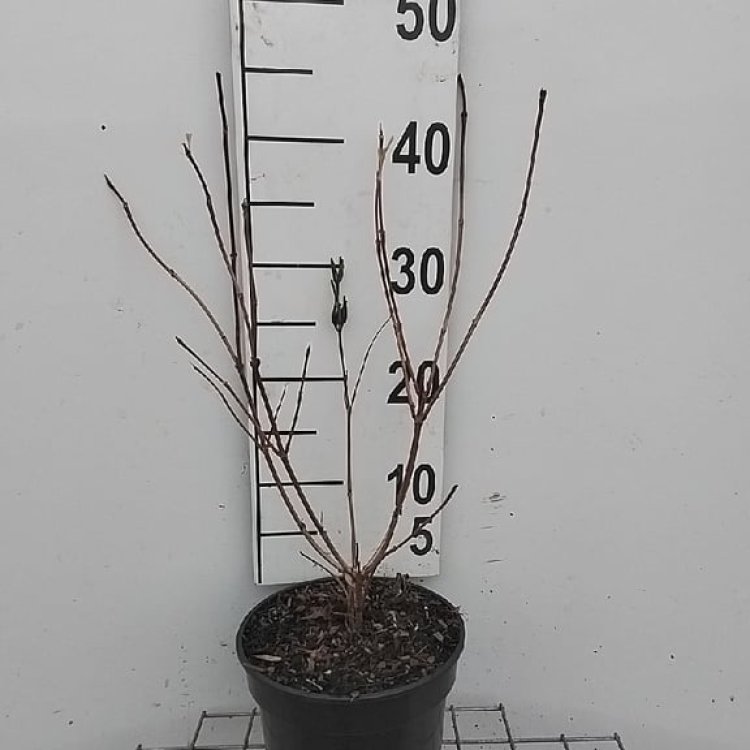
This plant is deciduous so it will lose all of its leaves in the autumn and get fresh new foliage each spring.