£4.84 – £5.54Price range: £4.84 through £5.54
Vinca minor Illumination offers dazzling year-round interest. This evergreen groundcover features bright yellow-gold variegated leaves and blue-purple flowers in spring, perfect for brightening shady areas and attracting pollinators.
5000 in stock
Discover Vinca minor Illumination, a vibrant groundcover transforming shady spots with its bright foliage and charming blue flowers, perfect for UK gardens.
Vinca minor Illumination offers year-round appeal, thriving where other plants struggle. This robust evergreen perennial quickly creates a dense mat of striking variegated leaves, brightening even the deepest shade. Its cheerful blue-purple blooms emerge in spring, adding a touch of classic colour. Gardeners in the UK value this plant for its low maintenance and reliable performance. It truly brings light to the darker corners of the garden.
The botanical name, Vinca minor, holds interesting roots. “Vinca” comes from the Latin “vincire,” meaning “to bind” or “to entwine.” This reflects its vigorous, trailing growth. “Minor” indicates its smaller leaves and flowers compared to its cousin, Vinca major. This particular cultivar, ‘Illumination’, truly lives up to its name. It easily brightens any area it inhabits.
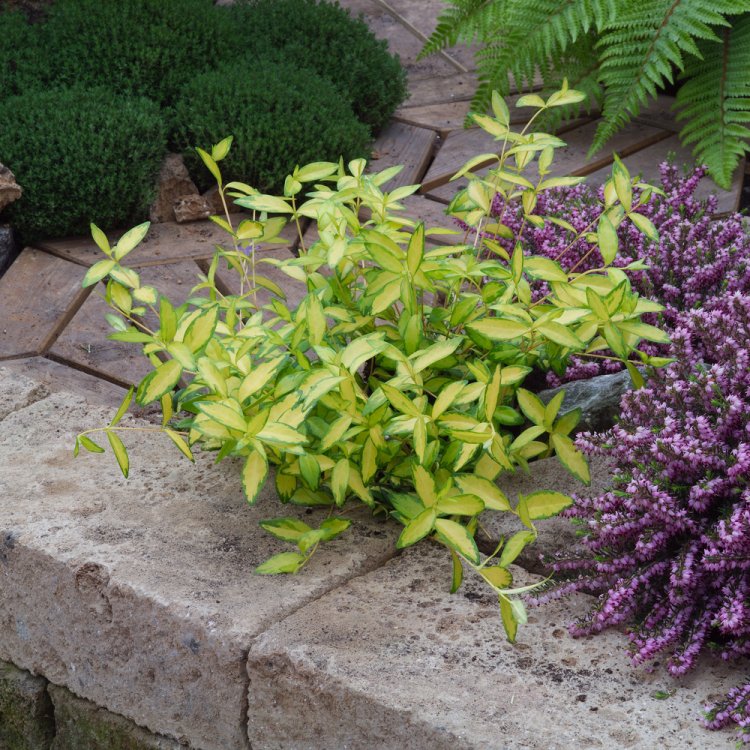
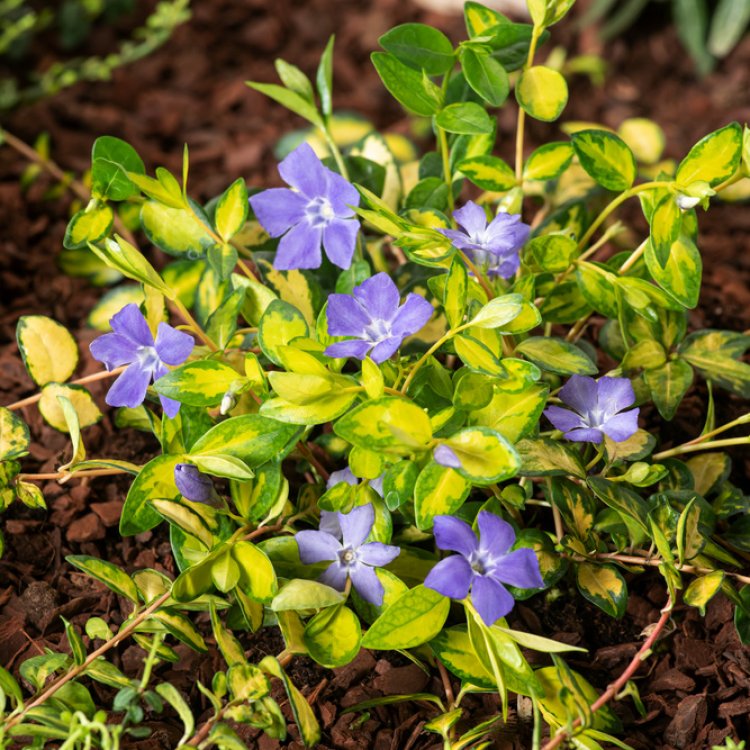
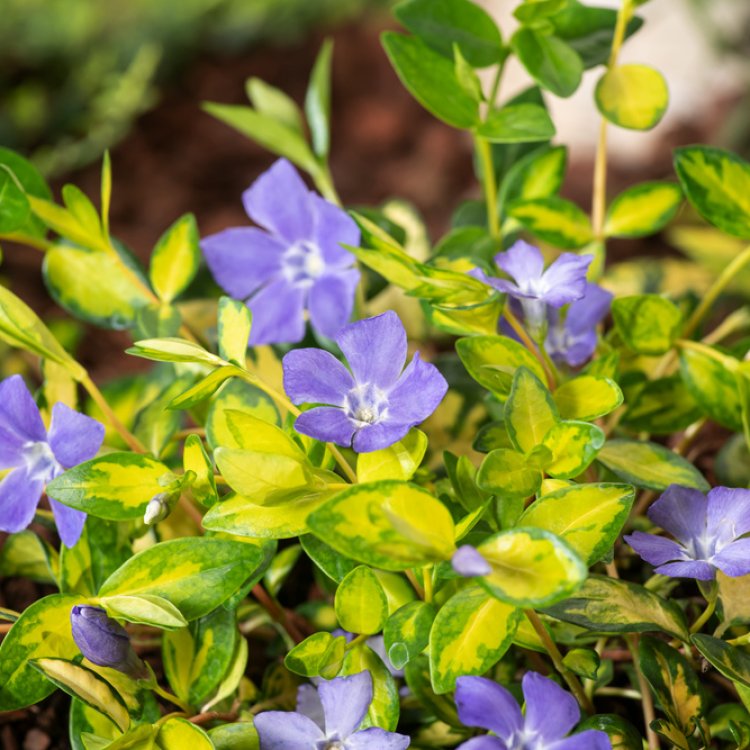
Its leaves are a masterpiece of nature, displaying vibrant yellow-gold centres encircled by deep green margins. This creates a dazzling contrast, ensuring the plant stands out throughout the year. During spring and early summer, clusters of star-shaped, blue-purple flowers emerge. These blooms create a lovely display against the radiant foliage. They are a welcome sight, offering a gentle pop of colour.
Vinca minor Illumination excels as a versatile groundcover in various garden settings. It effectively suppresses weeds, making it a valuable asset under trees and shrubs. Many other plants often struggle in these conditions. You can also plant this Lesser Periwinkle along borders, on slopes, or in rockeries. Its cascading habit softens edges and creates a lush carpet of foliage.
Furthermore, it performs beautifully in containers, allowing its colourful stems to trail over the sides. This plant asks for little but gives much in return. It also offers benefits for local wildlife. The delicate flowers attract bees and other essential pollinators to your garden, thereby supporting biodiversity.
Maintaining Vinca minor Illumination is generally straightforward. This robust plant needs little intervention once established. Light pruning in spring helps control its spread and encourages fresh, dense growth. You can also trim it after flowering to maintain a tidy appearance. This plant demonstrates resilience, adapting well to many conditions in UK gardens. Its evergreen nature ensures year-round beauty, even during colder months.
Very hardy. Tolerates temperatures typical of a continental winter.
Vinca minor Illumination is very low maintenance. Water regularly after planting until it establishes a robust root system; thereafter, it tolerates dry conditions well. While generally not requiring feeding, a light application of balanced fertiliser in early spring can encourage vigorous growth. Prune annually in early spring to control spread and to promote dense, fresh foliage. You can also trim after its main flowering period to maintain a neat appearance. This plant is generally pest and disease-free.