£14.49 – £16.85Price range: £14.49 through £16.85
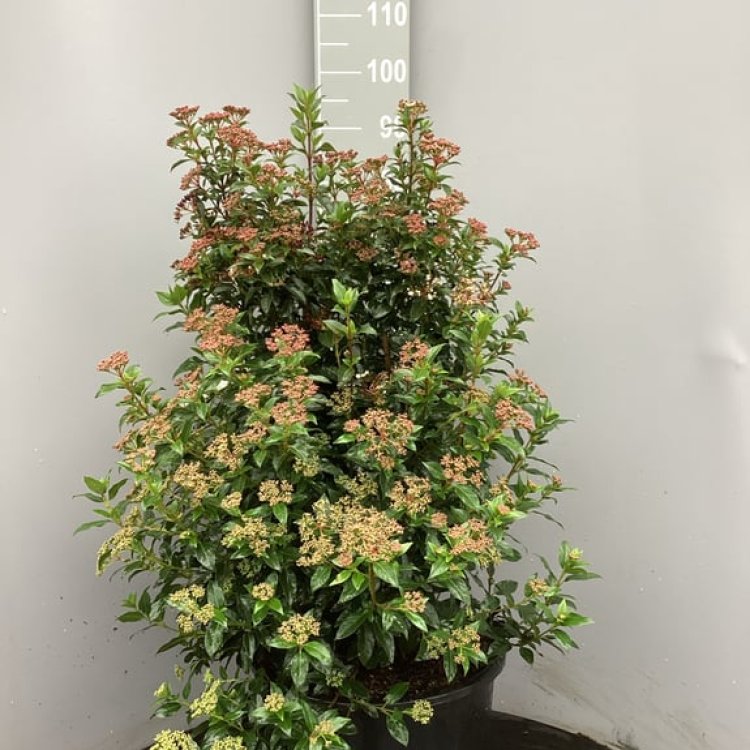
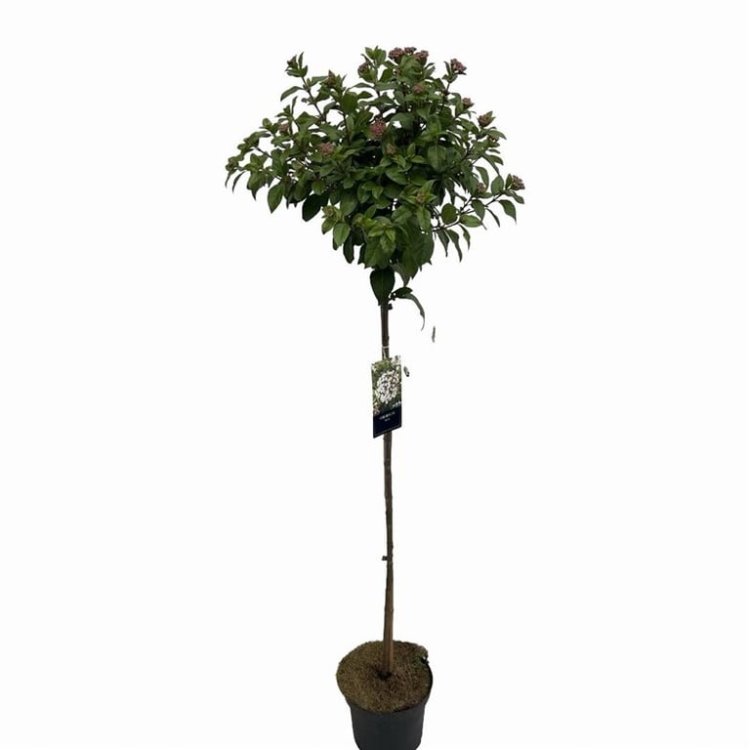
Viburnum tinus, or Laurustinus, is a cherished evergreen shrub for UK gardens. It provides continuous winter interest with glossy foliage and clusters of white flowers from pink buds, feeding pollinators. It’s hardy and low maintenance.
100 in stock
Discover Viburnum tinus, the versatile evergreen shrub known for its winter flowers and year-round appeal in UK gardens.
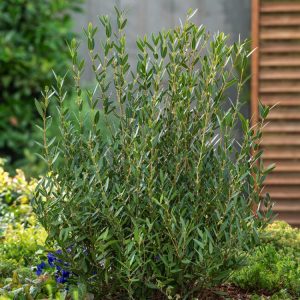
Viburnum tinus, also often called Laurustinus, is a highly cherished evergreen shrub in British gardens. This robust plant offers continuous visual interest, thriving gracefully in a variety of settings. It boasts glossy, dark green leaves throughout the year, ensuring your garden maintains its lush appearance even in colder months. Furthermore, its delicate flower clusters emerge when many other plants are dormant. This makes it an invaluable addition for seasonal beauty.
Viburnum tinus, commonly known as Laurustinus, is a truly remarkable plant for any UK garden. This resilient evergreen shrub delivers beauty through all seasons. Its rich history extends back to ancient times, where both “Viburnum” and “tinus” were classical Latin names for this specific group and species respectively. Thus, its name directly reflects its long-standing recognition.
One of the most striking features of Viburnum tinus is its prolonged flowering period. From late autumn, often beginning in November, soft pink buds appear. These gradually unfurl into abundant clusters of small, star-like white flowers. These blooms continue right through the winter and into early spring, sometimes lasting until April. This provides a vital nectar source for early emerging bees and other pollinators during a lean time. After the flowers fade, attractive metallic blue-black berries often develop, offering a food source for birds.
The foliage of Laurustinus is equally impressive. Its dense, leathery, dark green leaves remain on the plant throughout the year. This provides excellent evergreen structure and privacy. Consequently, it is an ideal choice for creating informal hedges or screens. It also performs wonderfully as a focal point in a mixed border. Its dense habit makes it suitable for planting as a windbreak, too.
Regarding care, Viburnum tinus is wonderfully undemanding. It prefers a spot in full sun to partial shade, though it can tolerate shadier conditions; however, flowering may be reduced there. It thrives in moist, well-drained soil, but is quite adaptable to different soil types. This includes chalk and clay, provided they are not waterlogged. Pruning is typically minimal. It is usually performed after flowering to maintain shape or remove any dead or overgrown stems. This ensures a tidy appearance. Its hardiness, rated H4 by the RHS, means it withstands typical British winters with ease. Its robust nature makes it a superb, long-lasting investment for your outdoor space.
Hardy across most of the UK except particularly exposed or cold regions.
Water regularly during dry spells, especially when establishing. Apply a general purpose fertiliser in spring to support healthy growth. Prune after flowering to maintain shape, size, or remove any dead, diseased, or crossing stems. Viburnum tinus is generally robust, but monitor for common pests like aphids or scale insects if present.