£2.43 – £3.85Price range: £2.43 through £3.85
Viburnum tinus ‘Gwenllian’ is a resilient evergreen shrub, bringing winter cheer to UK gardens. Enjoy abundant white flowers from late autumn to spring, followed by berries. It’s perfect for borders, hedging, or pots, attracting vital pollinators.
8472 in stock
Discover Viburnum tinus ‘Gwenllian’, a superb evergreen shrub that brings enduring beauty and winter interest to any British garden, flourishing vibrantly.
Viburnum tinus ‘Gwenllian’ is a distinguished cultivar, cherished for its resilience and continuous seasonal appeal. This particular variety, named with Welsh elegance, brightens UK gardens when many other plants are dormant. It features a compact, bushy habit, making it an excellent choice for various garden settings. From late autumn through to spring, ‘Gwenllian’ showcases an abundance of lovely flowers, ensuring a prolonged period of interest.
Viburnum tinus ‘Gwenllian’ is a truly exceptional evergreen shrub, offering outstanding performance in gardens across the UK. Its name, ‘Gwenllian’, originates from Wales. It means “white flood” or “white and fair,” reflecting its beautiful, profuse white blossoms. This plant thrives in various conditions, showing great adaptability. Consequently, it has become a popular choice for gardeners seeking reliable, long-lasting appeal without excessive effort.
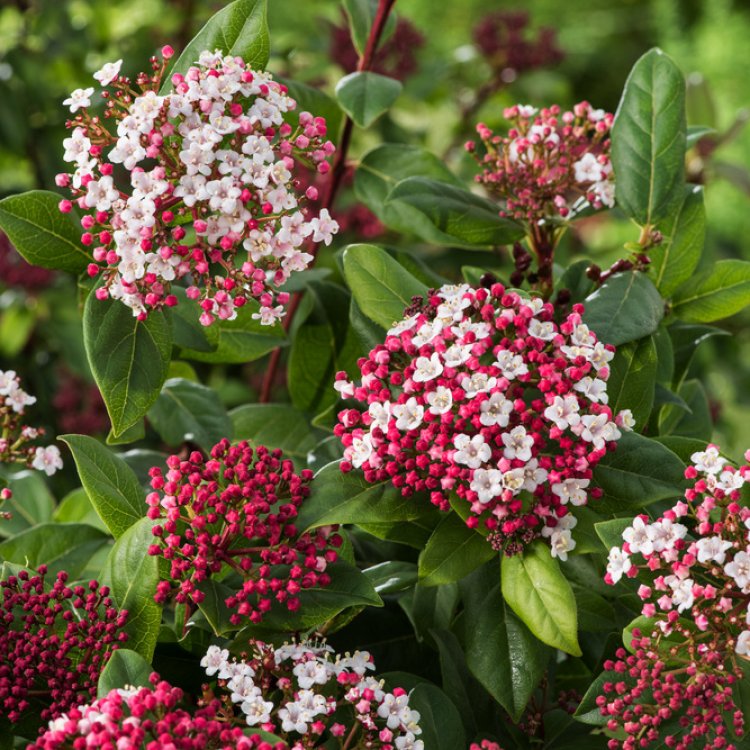
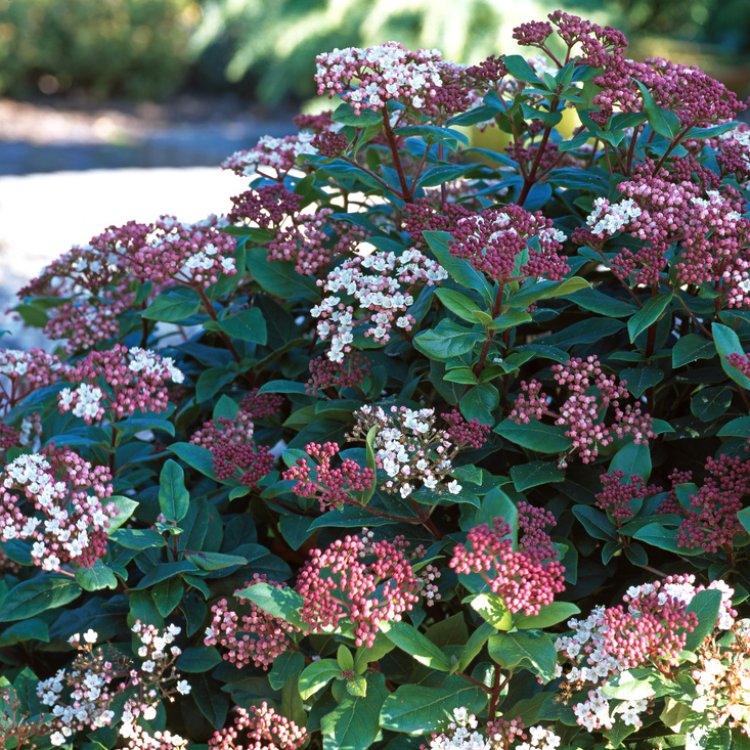
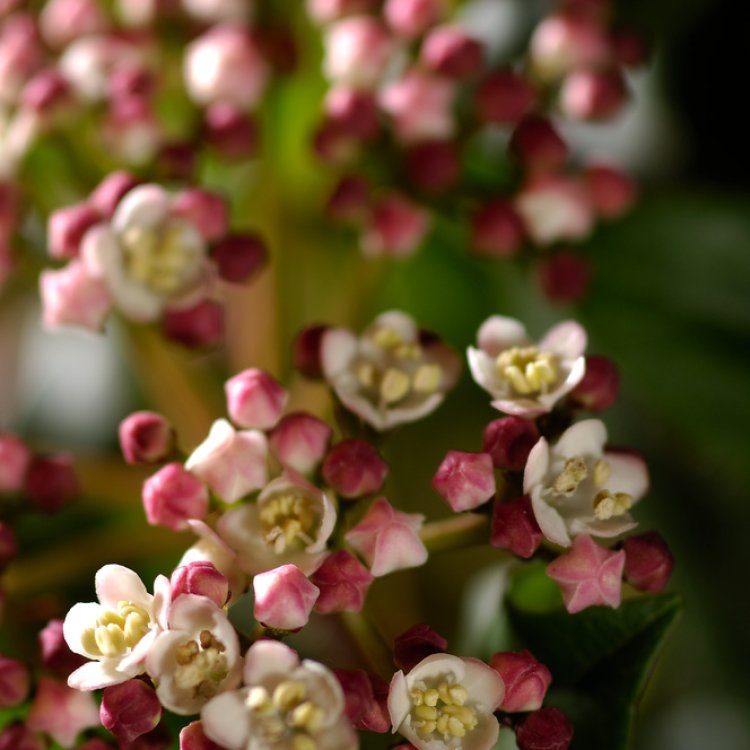
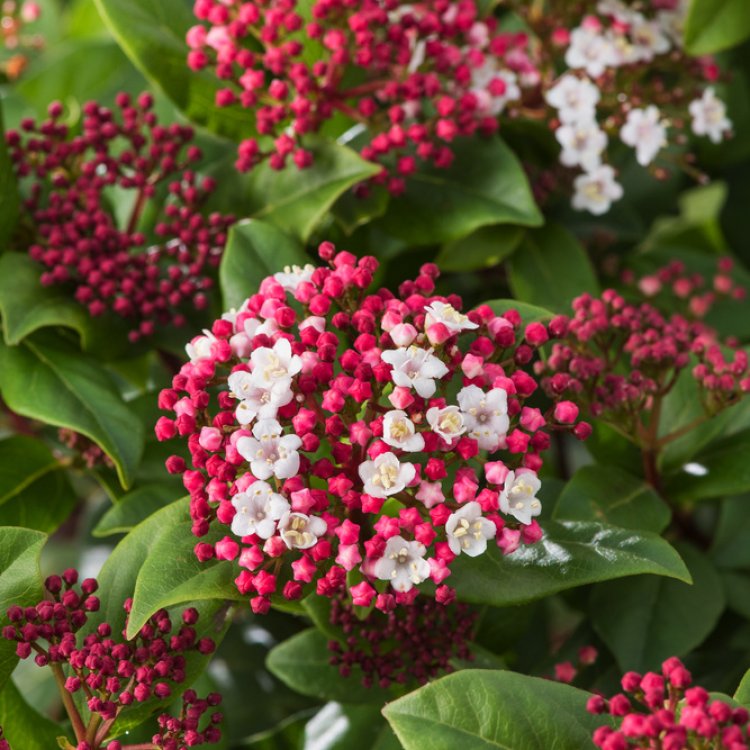
The true charm of this Viburnum lies in its prolonged display. From November, often earlier in mild years, right through until April or May, it produces a spectacular show. Delicate pink buds emerge, gradually opening into abundant clusters of pure white, star-shaped flowers. These flowers contrast beautifully against the dark, glossy, leathery green leaves. After the flowers fade, the plant develops attractive metallic blue-black berries, further extending its seasonal interest and providing a valuable food source for birds as winter progresses.
This versatile Laurustinus cultivar is perfectly suited for numerous garden roles. Its dense, compact habit makes it excellent for informal hedging, providing year-round privacy and structure. You can also use Viburnum tinus ‘Gwenllian’ as a stunning specimen plant in a border, where its winter flowers truly shine. Furthermore, it performs well in large containers, gracing patios or balconies with its evergreen presence and winter blooms. You can prune the plant lightly after flowering to maintain its desired size and shape, which encourages denser growth.
Viburnum tinus ‘Gwenllian’ offers significant benefits for local wildlife, contributing to a healthy garden ecosystem. Its delicate winter flowers serve as a crucial early nectar source for bees and other beneficial insects when few other plants are in bloom. Later, the appealing blue-black berries provide sustenance for various bird species, helping them through the colder months. Thus, planting this shrub helps support biodiversity and encourages a lively garden environment.
Hardy across most of the UK except particularly exposed or cold regions.
Viburnum tinus 'Gwenllian' is generally low maintenance, but benefits from some basic care. Water regularly during dry spells, especially in its first year, to help it establish a strong root system. Once established, it is fairly drought-tolerant. Apply a general-purpose slow-release fertiliser in spring to support healthy growth and flowering. Pruning is not essential but can be done lightly after the main flowering period (late spring) to maintain a tidy shape, remove any dead or damaged branches, or to restrict its size. Deadheading is not required. Monitor for common pests like aphids or viburnum beetle, and treat if infestations become problematic. Ensure good air circulation to help prevent fungal diseases.