£18.07 – £20.43Price range: £18.07 through £20.43
Viburnum plicatum ‘St Keverne’ is a stunning deciduous shrub. It showcases elegant white lacecap flowers in late spring, followed by red berries and rich purplish-red autumn leaves. This plant provides beautiful seasonal interest and supports pollinators in your UK garden.
1000 in stock
Viburnum plicatum ‘St Keverne’ enchants UK gardens with its distinctive tiered branching, abundant white lacecap flowers, and spectacular seasonal transformations, making it a garden star.
This exceptional deciduous shrub, often called the Japanese Snowball Bush or Weddingcake Tree, brings elegant structure and continuous interest to any garden. Viburnum plicatum ‘St Keverne’ showcases delicate white lacecap flowers in late spring, creating a stunning visual display. Its attractive berries follow, providing food for birds, and its foliage then transforms into rich purplish-red tones in autumn. This British cultivar, named after a Cornish village, reliably delivers beauty through multiple seasons. It truly stands out.
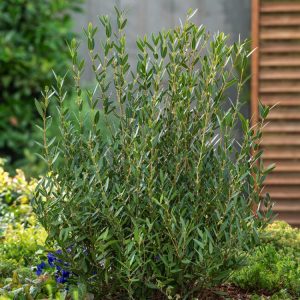
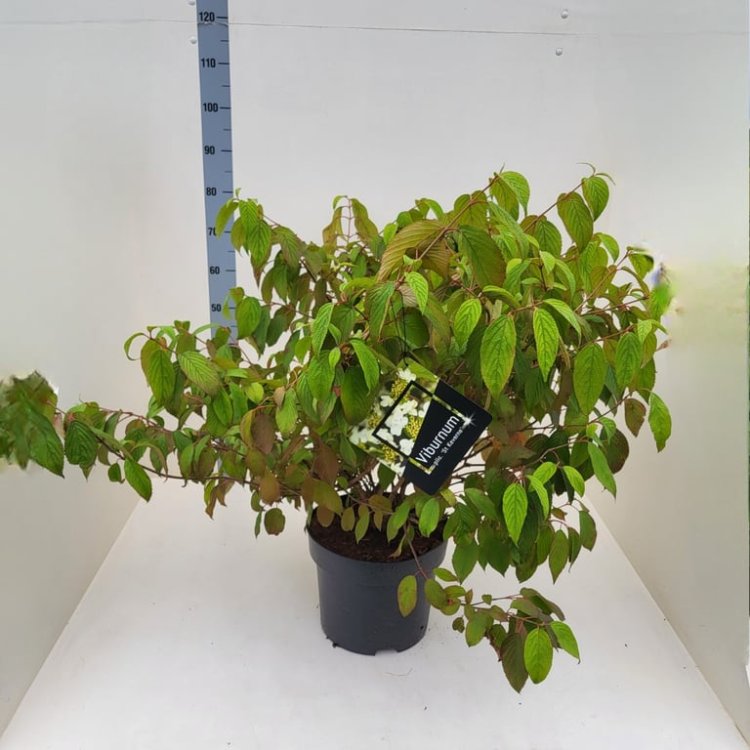
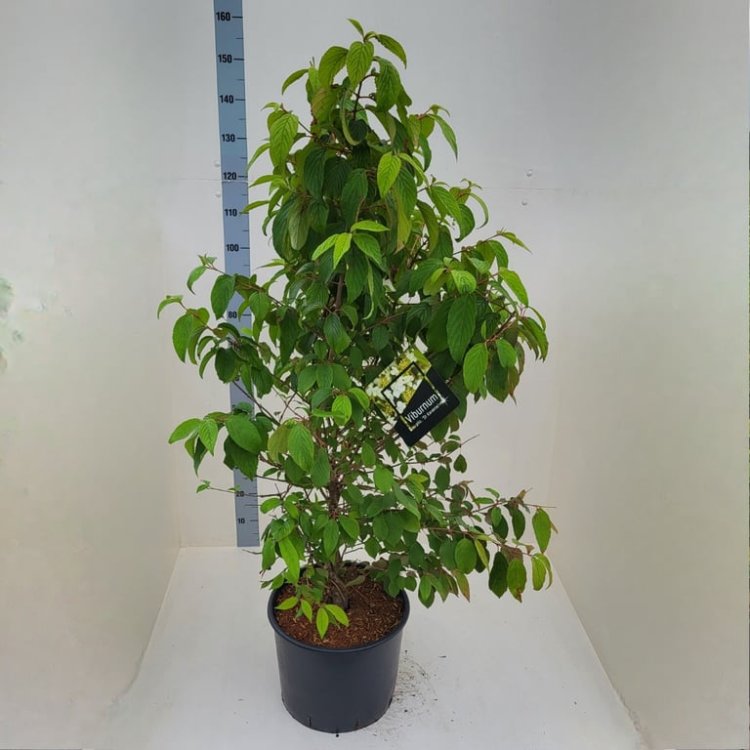
Viburnum plicatum ‘St Keverne’ is a particularly cherished cultivar of the Japanese Snowball Bush. It originates from Britain and proudly bears the name of a picturesque village in Cornwall. This splendid deciduous shrub is renowned for its distinctive architectural form. Its branches grow in horizontal layers, naturally creating a striking tiered habit. This structure provides a beautiful framework even when the plant is not in flower. Consequently, it offers year-round visual appeal.
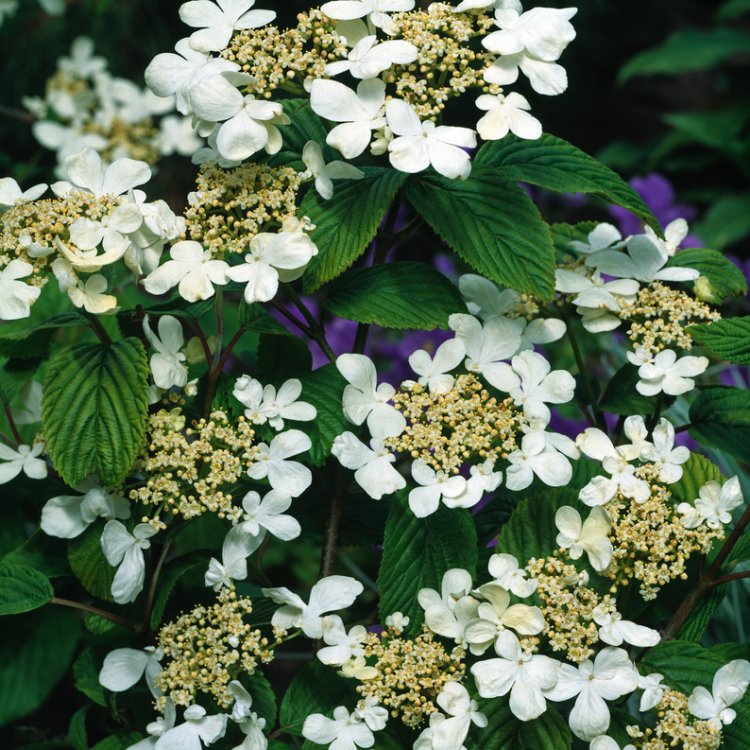
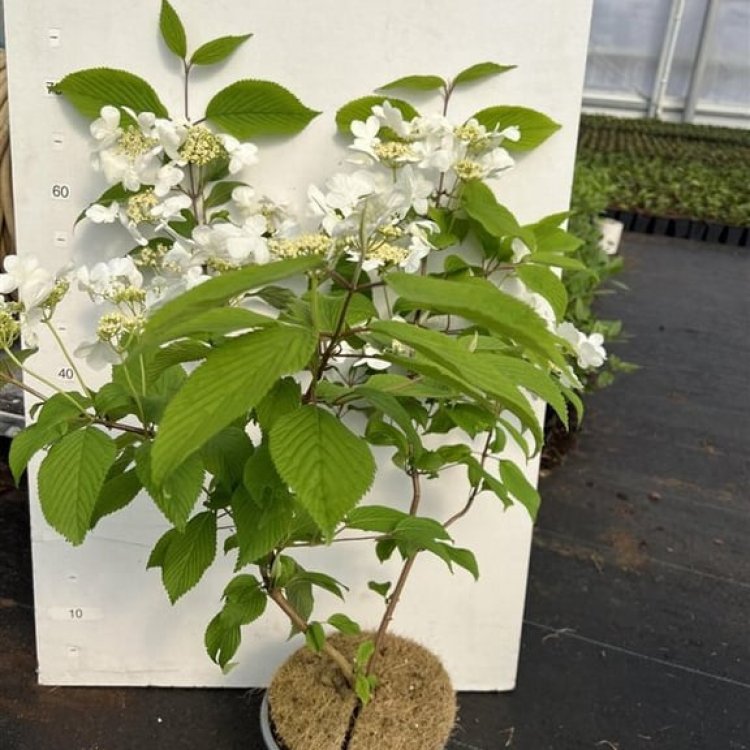
From late spring, typically May into June, Viburnum plicatum ‘St Keverne’ produces a profusion of beautiful lacecap flowers. These elegant blooms feature a central cluster of small, fertile flowers. Larger, sterile white florets encircle this cluster, creating a charming contrast. The vibrant green, deeply veined leaves provide a lush backdrop throughout the summer months.
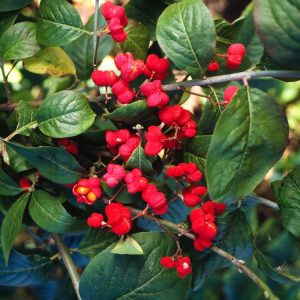
Later, as autumn approaches, the foliage undergoes a dramatic transformation. It shifts into breathtaking shades of purplish-red, adding a spectacular burst of colour to the garden. Moreover, bright red berries appear after flowering. They gradually ripen to a glossy black. These berries offer an additional decorative element, whilst also providing a welcome food source for local birds as the season progresses.
Gardeners often choose this versatile Japanese Snowball Bush for various roles within a UK garden. Its distinctive form makes it an ideal specimen plant, drawing the eye in borders or acting as a focal point. You can also integrate it seamlessly into shrub beds or along woodland edges. Its layered habit complements natural settings beautifully.
While Viburnum plicatum ‘St Keverne’ generally requires minimal pruning, you might gently shape it to maintain its structure. Also, remove any dead or damaged branches to promote health. Importantly, the open, accessible flowers are highly attractive to beneficial wildlife. Bees and butterflies actively visit the blooms, collecting nectar and pollen. Furthermore, the berries offer sustenance to various bird species, thus enhancing biodiversity in your outdoor space.
Very hardy. Tolerates temperatures typical of a continental winter.
Viburnum plicatum 'St Keverne' generally requires minimal care. Ensure consistent moisture, especially during dry spells and its establishment phase. Apply a layer of mulch around the base in spring to retain soil moisture and suppress weeds. Pruning is seldom needed, beyond removing any dead, damaged, or crossing branches after flowering to maintain its natural, elegant shape. Avoid heavy pruning, as this can spoil its distinctive tiered habit.
This plant is deciduous so it will lose all of its leaves in the autumn and get fresh new foliage each spring.