£18.07 – £20.43Price range: £18.07 through £20.43
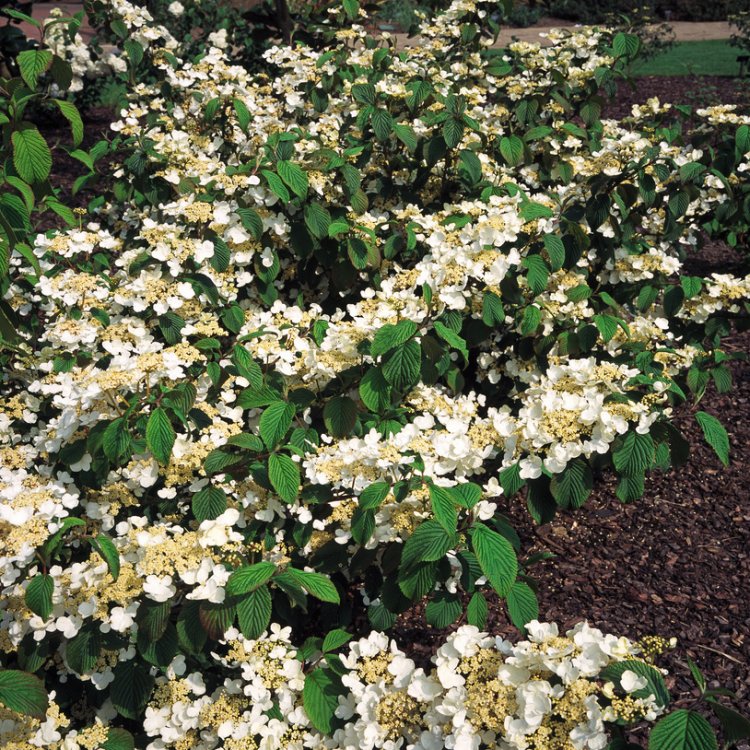
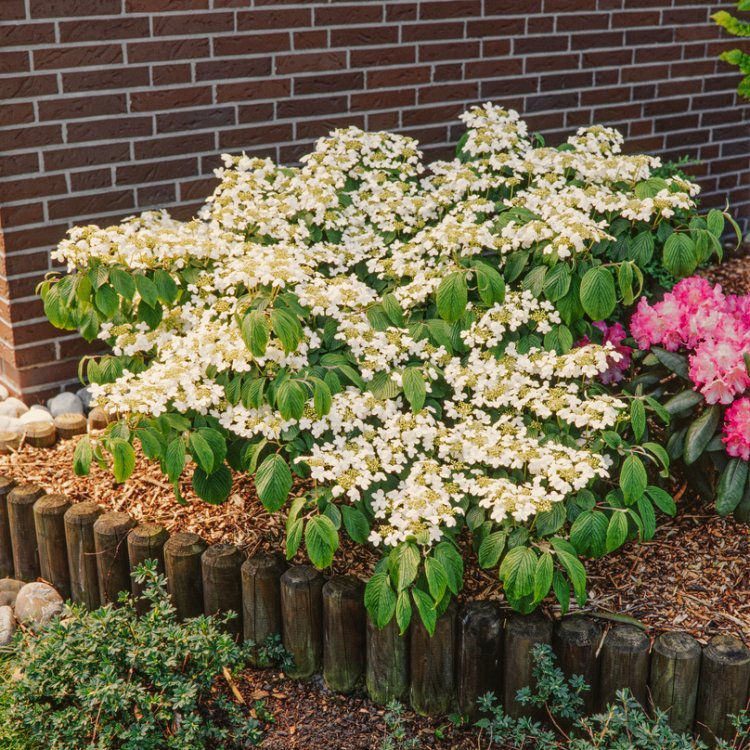
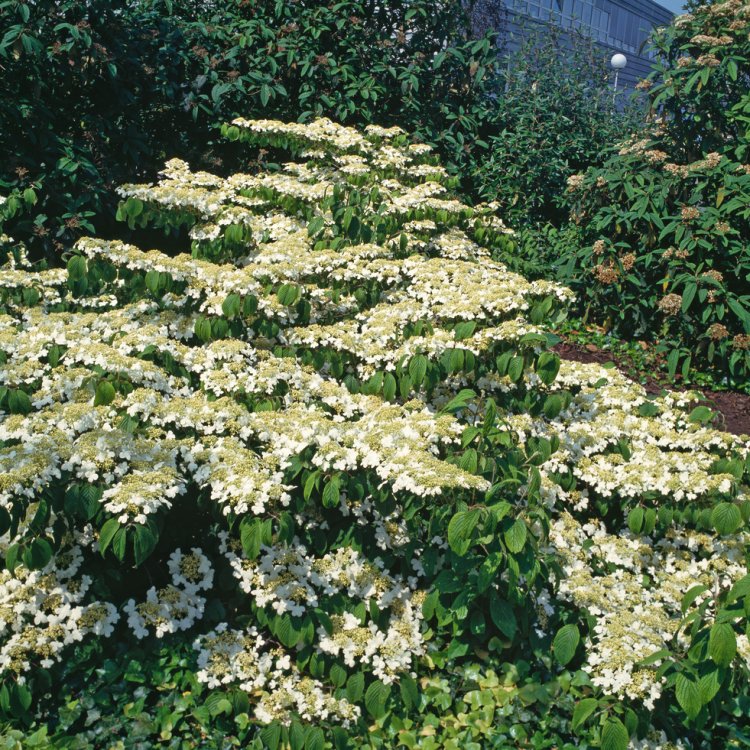
Viburnum plicatum ‘Mariesii’, the Weddingcake tree, is a show-stopping deciduous shrub. It boasts elegant tiered branches adorned with pure white lacecap flowers in May-June, followed by stunning autumn foliage. Perfect for adding architectural beauty.
1500 in stock
Discover the exquisite beauty of Viburnum plicatum ‘Mariesii’, a captivating shrub renowned for its stunning tiered branches and abundant white lacecap flowers.
This magnificent deciduous shrub offers a truly unique display, earning its popular name, the Weddingcake tree, due to its distinctive horizontal branching pattern. Known also as the Japanese snowball, Viburnum plicatum ‘Mariesii’ originated from Japan and China. It was introduced to European gardens in the late 19th century by Charles Maries, a notable plant collector. Its elegant form and prolific spring blooms make it an excellent choice for adding architectural interest and a touch of sophistication to any UK garden.
The Viburnum plicatum ‘Mariesii’ is a widely admired ornamental shrub, celebrated for its striking tiered habit. Its branches grow outwards in distinct horizontal layers, creating an eye-catching effect that resembles a wedding cake. This structure is particularly pronounced when the plant is mature, truly transforming your garden landscape. The name ‘plicatum’ comes from Latin, meaning ‘pleated’, referencing the interesting texture of its leaves.
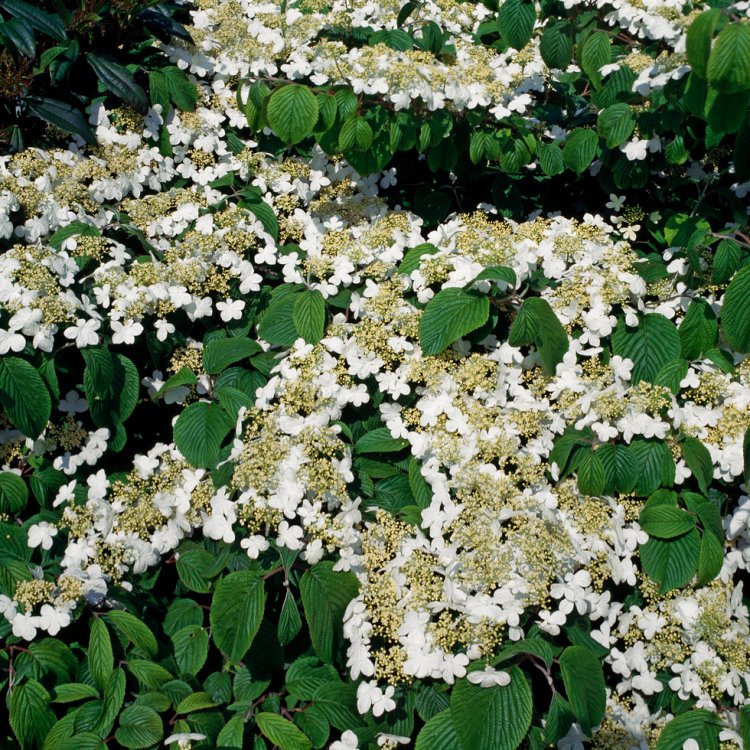
In late spring, typically from May through June, this Viburnum produces an abundance of flat-topped flower clusters. These pristine white flowers, known as ‘lacecaps’, are arranged along the upper side of the horizontal branches, further enhancing its tiered appearance. Each flower head consists of a ring of larger, sterile outer florets surrounding a centre of smaller, fertile flowers. Bees and other beneficial insects are drawn to these blooms, making it a valuable addition for wildlife-friendly gardens.
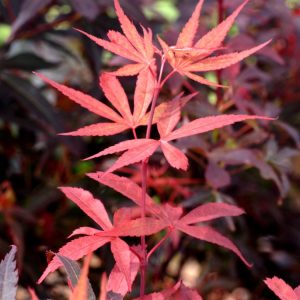
Beyond its impressive floral display, Viburnum plicatum ‘Mariesii’ offers continuous interest throughout the growing season. Its mid-green, deeply veined leaves provide a lush backdrop for the flowers. As autumn arrives, the foliage transitions into rich shades of purplish-red, extending its ornamental appeal well into the cooler months. This vibrant autumn colour adds another dimension to its garden presence, ensuring year-round beauty.
This versatile shrub excels in various garden settings. Its architectural form makes it a superb specimen plant, standing proudly as a focal point in a lawn or at the corner of a border. Consequently, its horizontal lines can soften harsh garden structures or contrast beautifully with upright plants. It also works wonderfully when planted in groups, where the massed effect of its tiered branches and flowers is truly magnificent.
Furthermore, the Viburnum plicatum ‘Mariesii’ is perfect for adding structure and seasonal colour to woodland edges or mixed shrub borders. Little pruning is needed for this plant. Simply remove any dead, damaged, or crossing branches after flowering to maintain its elegant shape. Allow it room to grow into its impressive form for the best visual impact.
Very hardy. Tolerates temperatures typical of a continental winter.
Watering: Ensure regular watering during its first year, especially throughout dry spells, to help establish a strong root system. Once established, this viburnum is relatively drought tolerant but will benefit from watering during prolonged dry periods to maintain vigour.
Feeding: Apply a balanced, slow-release granular fertiliser around the base of the plant in early spring. Alternatively, a generous layer of well-rotted garden compost or manure will enrich the soil, improve its structure, and enhance moisture retention.
Mulching: A good layer of organic mulch, such as bark chips or garden compost, around the base of the plant in spring will help suppress weeds, retain essential soil moisture, and regulate soil temperature. Keep mulch a few centimetres away from the main stem.
Pruning: Viburnum plicatum 'Mariesii' generally requires minimal pruning to maintain its natural, elegant form. If needed, prune lightly immediately after flowering in late spring or early summer. Remove any dead, damaged, or crossing branches to preserve its distinctive tiered shape. Avoid heavy pruning as this can disrupt the plant's architectural habit.
Pest and Disease: This cultivar is generally robust and resistant to most common pests and diseases in UK gardens. While some viburnums can be susceptible to viburnum beetle, 'Mariesii' is often less affected than other types. Inspect your plant regularly and address any issues promptly with appropriate organic or chemical controls if necessary.
This plant is deciduous so it will lose all of its leaves in the autumn and get fresh new foliage each spring.