£14.29 – £16.65Price range: £14.29 through £16.65
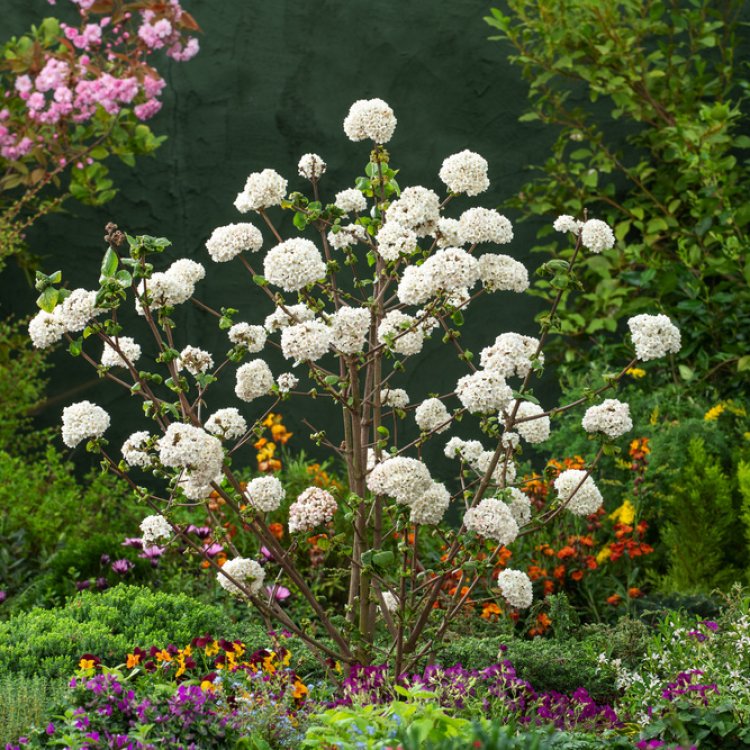
Viburnum carlcephalum, the Fragrant Snowball Bush, delights with intensely fragrant, large white flowers in spring. This hardy, deciduous shrub also attracts pollinators and offers attractive autumn foliage for UK gardens.
29 in stock
Uncover the charm of Viburnum carlcephalum, a delightful shrub celebrated for its intensely fragrant, large snowball-like flowers, truly a spring garden highlight.
This exquisite deciduous shrub offers a spectacle in any UK garden. It brings beauty and sensory delight. It is known for its impressive floral display. Its sweet, spicy perfume fills the air, signalling warmer days. Gardeners seek this Viburnum for reliable performance. Easy care makes it a popular choice.
Viburnum carlcephalum, also called Fragrant Snowball Bush, is a distinguished hybrid. It originated from a cross between Viburnum carlesii and Viburnum macrocephalum, combining best traits. This hybrid, developed in the Netherlands in the 1930s, inherited delightful fragrance and larger flower heads. The name ‘carlcephalum’ merges elements from both species. It suits British gardens, adding structure and scent.
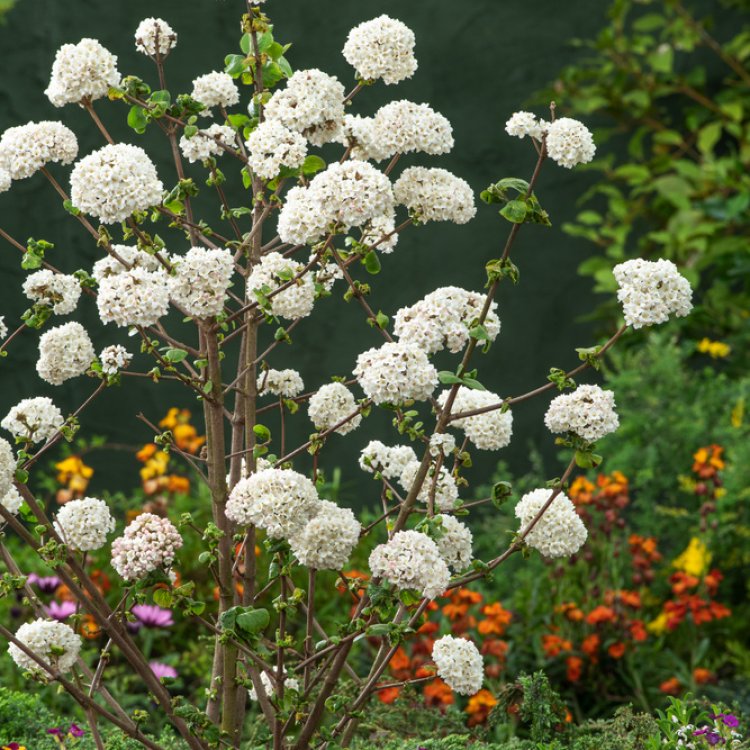
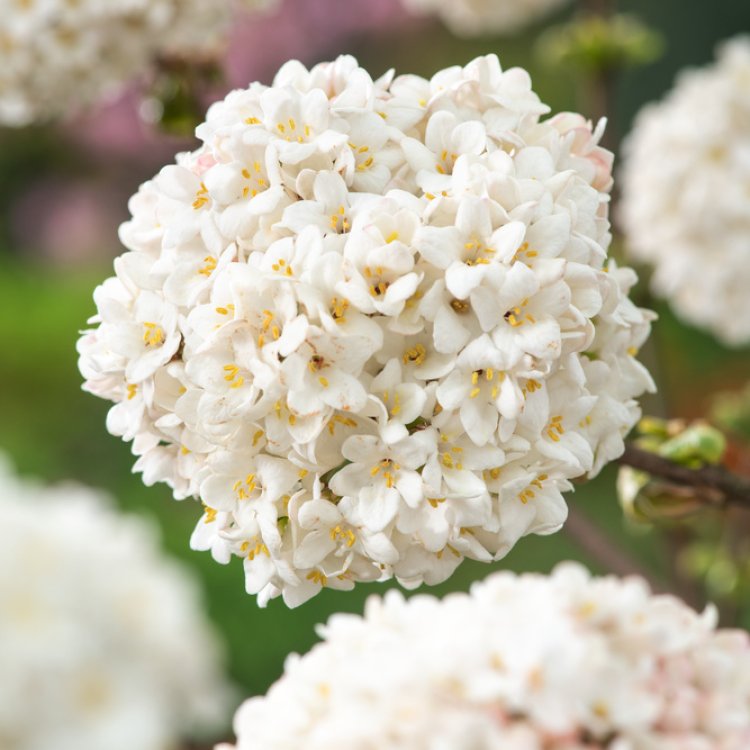
Viburnum carlcephalum typically flowers in April and May. Before opening, buds show a charming pink hue. They then unfurl into spectacular, pure white, spherical flower clusters. These resemble snowballs, measuring up to 15 cm across. Their strong, sweet fragrance carries on the breeze, enriching nearby seating areas.
Following the bloom, its lush, dark green foliage provides an attractive summer backdrop. In autumn, leaves transition, offering lovely reddish-purple shades, adding seasonal interest.
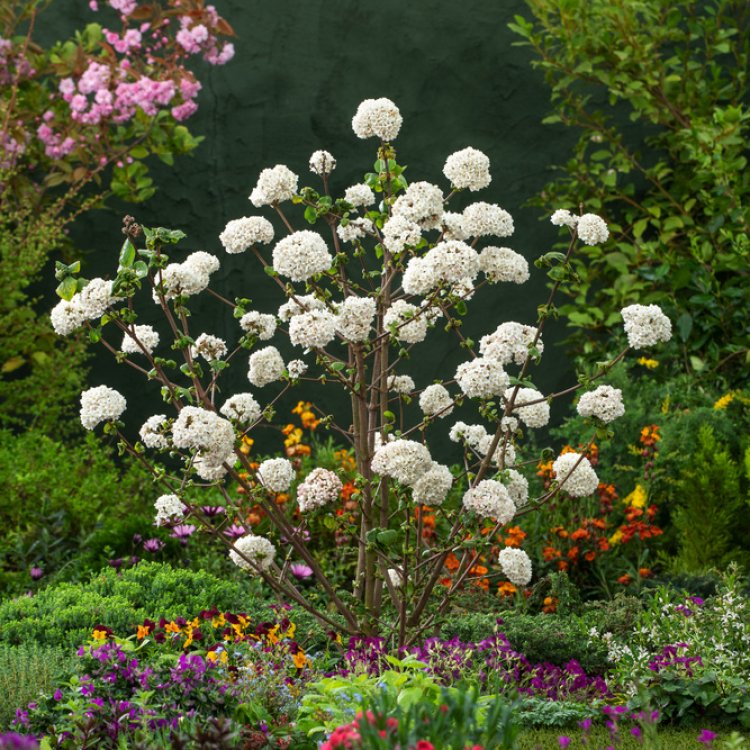
This beautiful shrub works well in many garden settings. Plant Viburnum carlcephalum as a striking specimen, admiring its full form and fragrance. It makes an excellent addition to mixed borders, providing height, structure. Use it to create an informal hedge, offering beauty and a gentle barrier.
Place it near a patio, path, or entrance where its captivating scent is fully appreciated. This plant is a valuable asset for local wildlife. Its abundant flowers are a magnet for bees and other vital pollinators, supporting garden biodiversity.
Viburnum carlcephalum requires minimal pruning. Carry out any shaping or size control immediately after flowering. Remove dead, damaged, or crossing branches to maintain plant health and vigour. To rejuvenate an older shrub, cut back a few oldest stems to the base. This encourages fresh new growth.
This simple approach ensures your Fragrant Snowball Bush remains a robust and beautiful feature in your garden for many years.
Very hardy. Tolerates temperatures typical of a continental winter.
Viburnum carlcephalum thrives in fertile, well-drained soil and prefers a position in full sun to partial shade. Ensure consistent moisture, especially during dry spells, but avoid waterlogging. Prune sparingly immediately after flowering to maintain shape, remove any dead or damaged wood, and encourage vigorous new growth. An annual feed with a balanced fertiliser in spring will also benefit the plant's health and flowering.
This plant is deciduous so it will lose all of its leaves in the autumn and get fresh new foliage each spring.