£14.29 – £16.65Price range: £14.29 through £16.65
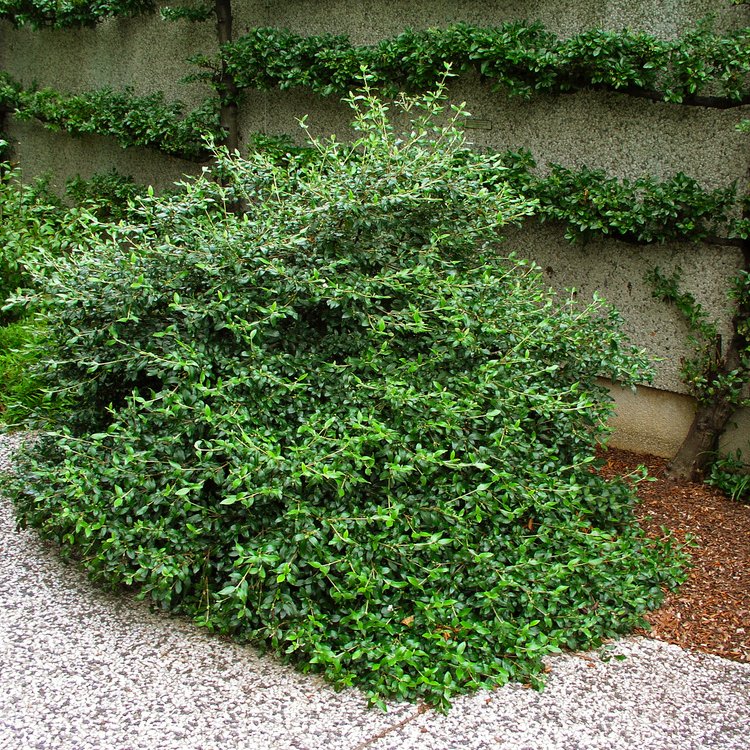
Viburnum burkwoodii ‘Conoy’ is a compact, evergreen shrub with glossy leaves and fragrant, white-pink flowers in spring. It offers year-round appeal, attracts pollinators, and produces berries for birds. An excellent low-maintenance choice for UK gardens.
43 in stock
Viburnum burkwoodii ‘Conoy’ offers year-round garden beauty with its evergreen foliage and delightful spring fragrance, making it a garden essential.
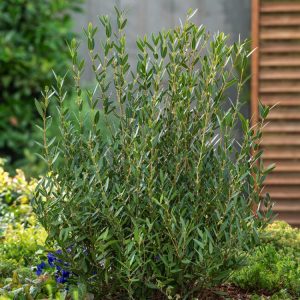
This exceptional compact shrub provides consistent visual appeal and delightful seasonal interest in UK gardens. Its dense, rounded form creates a superb focal point or an effective screen, easily enhancing any garden setting. Furthermore, Viburnum burkwoodii ‘Conoy’ is remarkably unfussy, thriving in a variety of conditions, which makes it a gardener’s favourite.
Viburnum burkwoodii ‘Conoy’ is a fantastic hybrid shrub, a cross between Viburnum carlesii and Viburnum utile. This parentage gives it the best traits of both, including strong evergreen qualities and excellent fragrance. The cultivar name ‘Conoy’ comes from the Conoy Creek in Pennsylvania, USA, where this specific variety was developed.
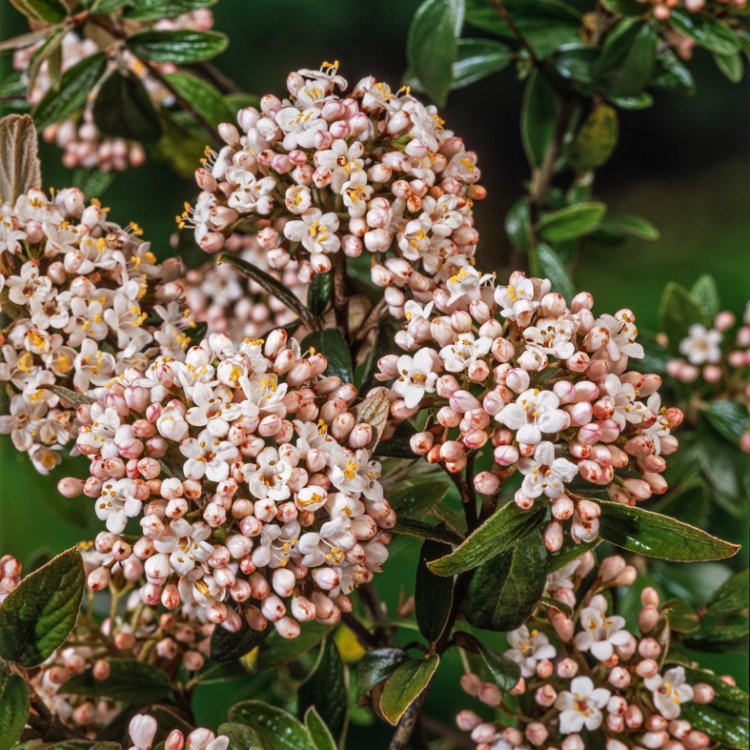
The glossy, dark green leaves of Viburnum burkwoodii ‘Conoy’ maintain their vibrancy throughout the year, often taking on attractive bronze-purple tints during colder months. In spring, typically around April and May, the plant bursts into bloom with spherical clusters of highly scented flowers. These delicate white flowers often emerge with a blush of pink, filling the air with a spicy-sweet aroma. After the flowers fade, small, bright red berries appear, eventually ripening to a dark, almost black hue in late summer and autumn. These berries are a valuable food source for various garden birds.
Because of its compact and dense growth, Viburnum burkwoodii ‘Conoy’ excels in numerous garden roles. Gardeners often use it as a low hedge, a specimen shrub, or as part of a mixed border. Its tidy habit also makes it suitable for larger containers on patios. Additionally, the fragrant flowers are a magnet for bees and other beneficial insects, supporting local wildlife. The subsequent berries further contribute to the garden’s ecosystem, providing sustenance for birds.
This Viburnum typically needs little pruning. If necessary, you can lightly prune Viburnum burkwoodii ‘Conoy’ to maintain its shape or remove any dead or crossing branches. The best time for this is immediately after the plant has finished flowering in late spring. This timing allows new growth to develop and set buds for the following year’s display, ensuring continued bloom.
Hardy in all of the UK and northern Europe. Suitable for exposed sites.
Water Viburnum burkwoodii 'Conoy' regularly until it is well-established, particularly during dry spells. Apply a balanced, general-purpose fertiliser in early spring to support healthy growth and flowering. Prune lightly after flowering to maintain a desirable shape, remove any dead or damaged wood, or to control its size. Always remove suckers from the base of the plant if they appear. Applying a layer of mulch around the base in spring helps to retain soil moisture and suppress weed growth.