£19.04 – £21.40Price range: £19.04 through £21.40
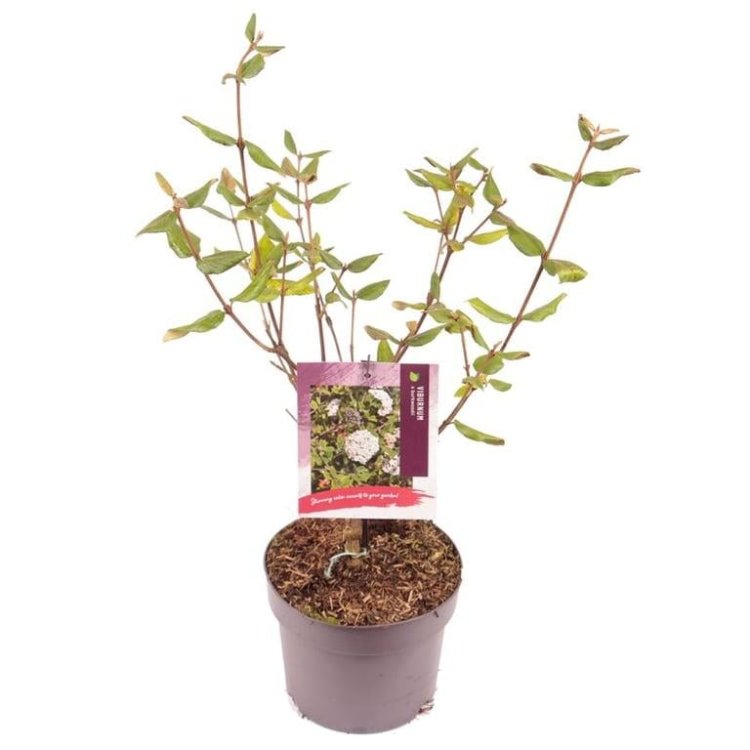
Viburnum burkwoodii is a charming semi-evergreen shrub, offering highly fragrant, pink-budded white flowers in spring. Its glossy foliage provides year-round interest, making it a versatile and low-maintenance choice for any UK garden.
288 in stock
Viburnum burkwoodii stands out as a charming, semi-evergreen shrub. It brings delightful fragrance and year-round appeal to UK gardens with its beautiful spring flowers.
This resilient plant is a firm favourite, celebrated for its exquisite clusters of sweet-scented blooms. It offers a wonderful sensory experience early in the season, transforming your garden with its lovely perfume. Furthermore, its glossy foliage provides consistent visual interest throughout the year.
Gardeners often choose Viburnum burkwoodii for its reliable nature and adaptable growth habit. This makes it an excellent choice for various garden styles across the United Kingdom. Its ability to thrive in many conditions adds to its widespread appeal.
Viburnum burkwoodii is a distinguished hybrid. It resulted from crossing Viburnum carlesii and Viburnum utile. This botanical achievement occurred in the early 20th century. Specifically, Messrs. Burkwood and Skipwith of Kingston-on-Thames cultivated this remarkable plant. Its name honours its creators, cementing its place in horticultural history. This heritage ensures a robust and reliable garden performer.
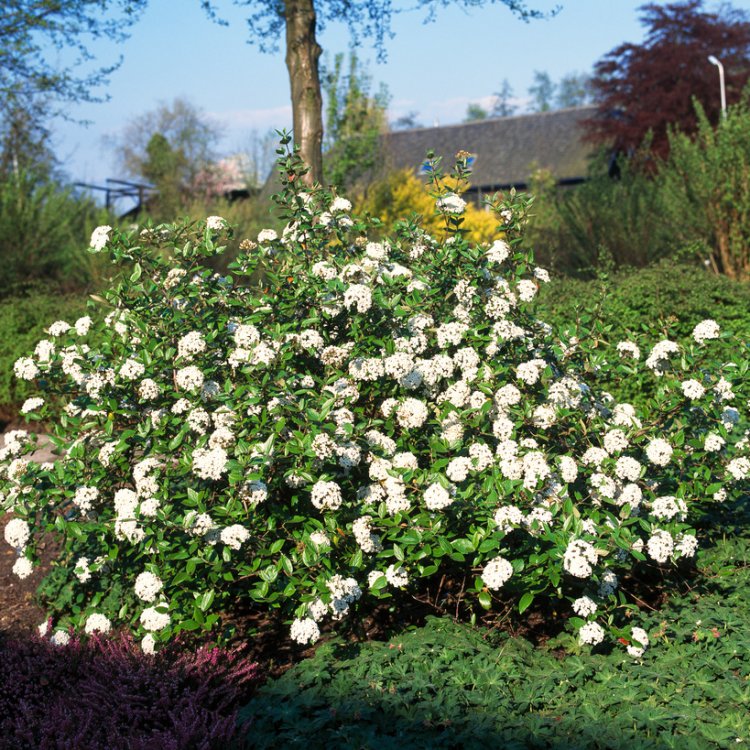
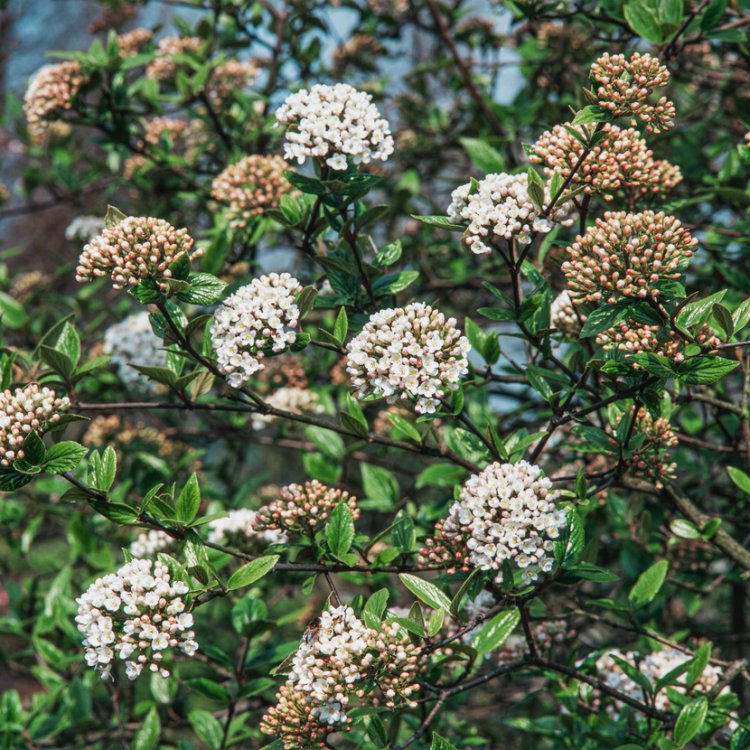
This plant truly shines in spring. From April to May, Viburnum burkwoodii produces abundant flower clusters. These emerge from charming pink buds, opening into waxy, pure white blossoms. They emit an incredibly sweet, spicy fragrance, which readily drifts across the garden.
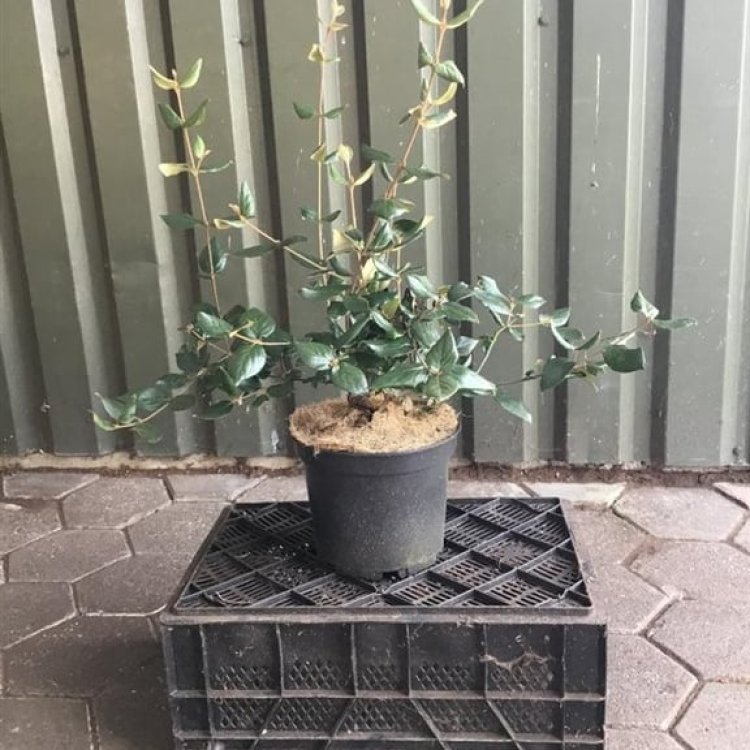
The leaves are another key feature. They are glossy, dark green, and semi-evergreen. This means they largely remain on the plant through winter, offering continuous texture. In colder spells, some foliage may turn bronze before dropping, adding seasonal variation.
Gardeners value this viburnum for its versatile nature. It performs exceptionally well as a specimen shrub, creating a focal point. You can also plant it in mixed borders alongside perennials and other shrubs. Furthermore, its dense habit makes it suitable for informal hedging. Placing your Viburnum burkwoodii near patios or pathways allows you to fully appreciate its enchanting scent. This plant is also an excellent choice for a low-maintenance, wildlife-friendly garden, supporting local ecosystems.
Generally, Viburnum burkwoodii requires minimal pruning. A light trim after flowering helps maintain its tidy, rounded shape. Remove any dead, damaged, or crossing branches to promote healthy growth. This helps the plant flourish. More importantly, its early spring flowers are a vital source of nectar for early-emerging pollinators. Bees, in particular, flock to its scented blooms. This supports biodiversity in your garden, making it an ecological asset for the UK’s wildlife.
Hardy across most of the UK except particularly exposed or cold regions.
Water Viburnum burkwoodii well after planting and keep the soil moist during dry periods, especially in its first year. Apply a balanced, general-purpose fertiliser in early spring. Prune lightly after flowering to maintain shape, remove any dead or damaged branches, and promote healthy growth. An annual mulch of well-rotted compost or manure around the base will help retain moisture and suppress weeds.