£4.88 – £5.58Price range: £4.88 through £5.58
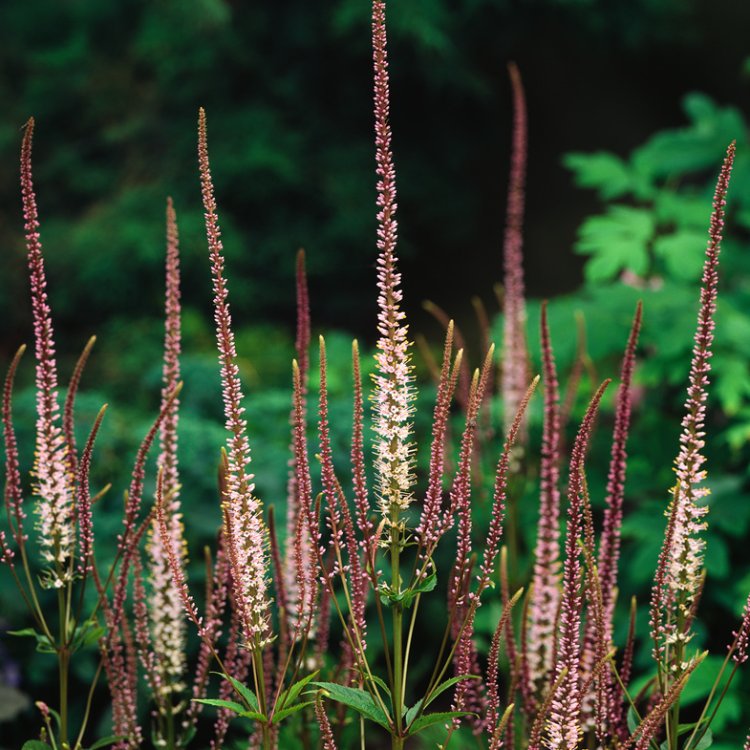
Bring elegant vertical interest to your garden with Veronicastrum virginicum ‘Pink Glow’. Its graceful spires of delicate pink flowers bloom from July to September, attracting bees and butterflies. This hardy perennial thrives in UK gardens, offering beauty and structure.
3496 in stock
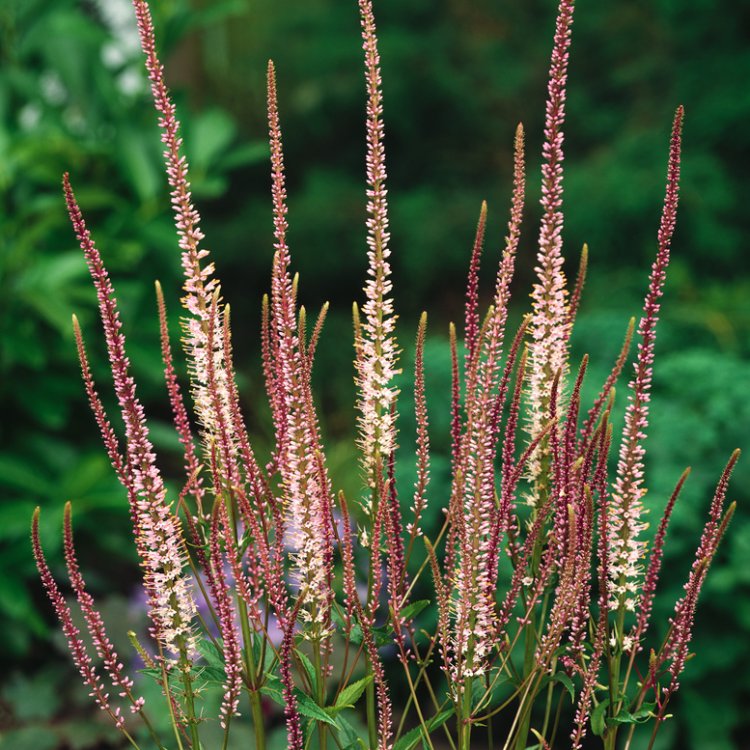
Veronicastrum virginicum ‘Pink Glow’ brings striking vertical interest to your garden with its elegant spires of delicate pink blooms.
This distinguished perennial, known botanically as Veronicastrum virginicum ‘Pink Glow’, offers a wonderful display throughout summer and into early autumn. Originating from North American woodlands, this cultivar has been specifically bred for its enchanting pink flower spikes. It truly shines in British garden borders, creating a stately and sophisticated presence. Its tall, slender form ensures it stands out, yet blends harmoniously with surrounding plants, giving your garden a touch of natural grace.
Veronicastrum virginicum ‘Pink Glow’ is a truly captivating perennial, celebrated for its unique structural beauty and enduring floral charm. Its botanical name, Veronicastrum, hints at a resemblance to Veronica, while “virginicum” indicates its origin in Virginia. The ‘Pink Glow’ cultivar, however, boasts distinct pale pink flower spikes that offer a soft yet vibrant colour palette.
This particular variety forms strong, erect stems, reaching impressive heights.
During the warmer months, typically from July right through to September, Veronicastrum virginicum ‘Pink Glow’ produces numerous slender spires of densely packed, tiny pink flowers. These bloom majestically, creating a breathtaking vertical spectacle.
Before the flowering commences, its rich green foliage forms attractive whorls around the sturdy stems. Each leaf is lance-shaped and finely toothed, providing a lush backdrop. This foliage offers texture and visual weight to the plant, ensuring interest even before the flowers appear.
This plant excels when used to create dramatic focal points within mixed borders. Its upright habit makes it perfect for adding height and structure towards the back of a planting scheme. Furthermore, it introduces a sense of elegance and formality, despite its natural woodland origins. Gardeners often select it for cottage gardens, herbaceous borders, or even prairie-style designs.
The beautiful flowers are also a magnet for beneficial garden visitors. Bees and butterflies are consistently drawn to its nectar-rich spires, actively contributing to your garden’s biodiversity. Therefore, it is a fantastic choice for those aiming to create a wildlife-friendly space.
Generally, Veronicastrum virginicum ‘Pink Glow’ requires minimal pruning. After the main flowering period has passed, spent flower spikes can be cut back. This helps to maintain a tidy appearance and can sometimes encourage a secondary flush of blooms.
The plant typically forms neat clumps, which slowly expand over time. Division every few years in spring or autumn helps to rejuvenate older plants. Its robust nature and elegant form make Veronicastrum virginicum ‘Pink Glow’ a valuable addition to any UK garden, promising enduring beauty season after season.
Hardy in the harshest UK conditions and below. Suitable for mountain regions.
Veronicastrum virginicum 'Pink Glow' thrives in moist, well-drained soil. It tolerates various soil types, including clay and sandy, if enriched with organic matter. Keep the soil consistently moist, especially during dry spells and in its first year. Established plants can tolerate some drought but prefer regular watering for optimal performance. Apply a balanced, slow-release fertiliser in spring to support robust growth, avoiding excessive feeding which can lead to leggy stems. Taller plants may benefit from staking in exposed locations to prevent flopping, although stems are generally strong. Cut back spent flower spikes after the main flowering period to maintain tidiness and potentially encourage a second flush of blooms. In late autumn or early spring, cut all stems back to ground level before new growth emerges. This perennial is generally trouble-free; however, watch for slugs and snails on young shoots and powdery mildew in very dry conditions or areas with poor air circulation. Divide clumps every 3-5 years in spring or early autumn to rejuvenate older plants and maintain vigour.