£4.88 – £5.60Price range: £4.88 through £5.60
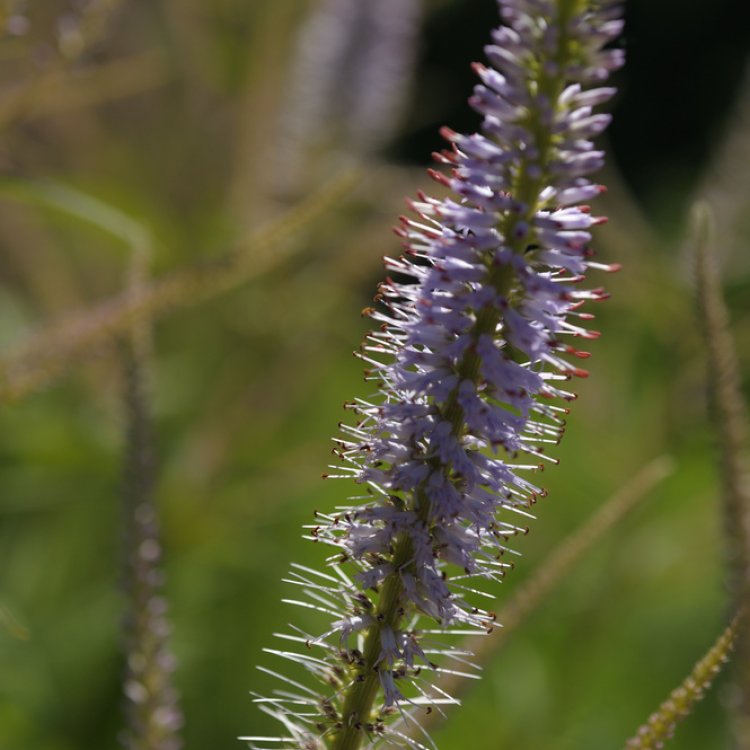
Veronicastrum virginicum ‘Lavendelturm’ is a majestic perennial, known as Culver’s Root. It displays elegant lavender-purple flower spikes from July to September, attracting pollinators. This architectural plant adds stunning vertical interest and beauty to any UK garden border.
903 in stock
Discover Veronicastrum virginicum ‘Lavendelturm’, a majestic herbaceous perennial that brings architectural elegance and a soft lavender haze to UK garden borders.
Veronicastrum virginicum ‘Lavendelturm’, commonly known as Culver’s Root, offers a striking vertical presence in the garden. This superb cultivar originated from North America, where its species naturally thrives in moist meadows and woodland edges. It belongs to the Plantaginaceae family, sharing kinship with familiar plants like foxgloves. Gardeners across the UK value this plant for its towering spires and long-lasting floral display. It easily creates a sense of grandeur in any planting scheme. Moreover, its unique form provides an excellent structural element throughout the growing season.
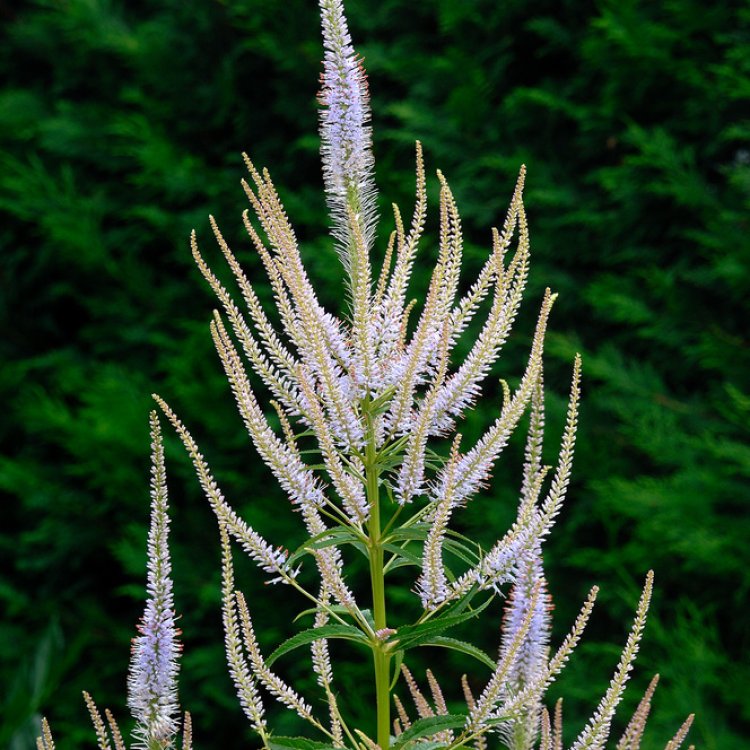
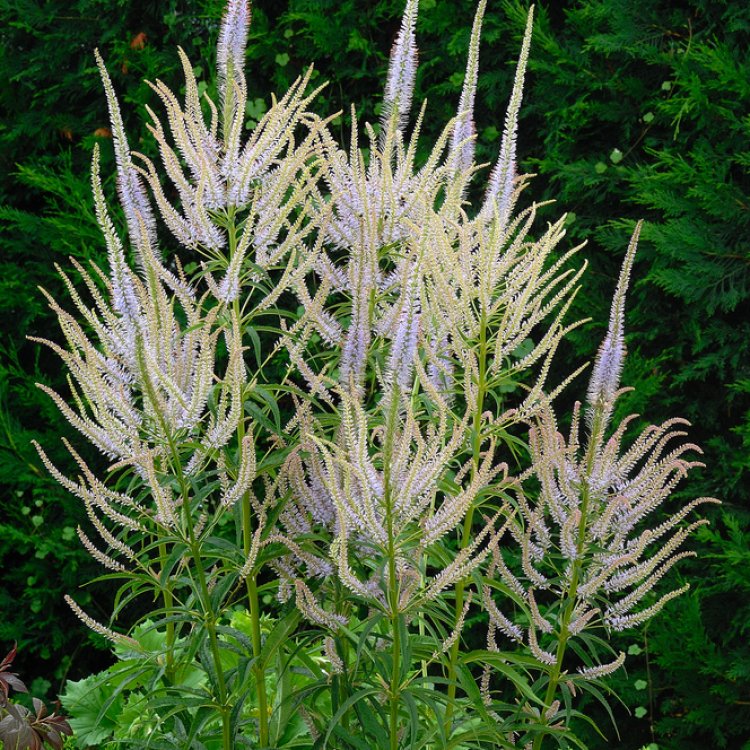
Veronicastrum virginicum ‘Lavendelturm’ is truly magnificent, reaching impressive heights in UK gardens. The species name, virginicum, denotes its origin in Virginia, North America. Meanwhile, ‘Lavendelturm’ translates from German to ‘Lavender Tower’, aptly describing its tall, spire-like flowers. This plant grows in elegant, candelabra-like flower spikes. These spikes are densely packed with small, delicate, lavender-purple blooms. They rise gracefully above whorls of dark green foliage, creating a captivating display.
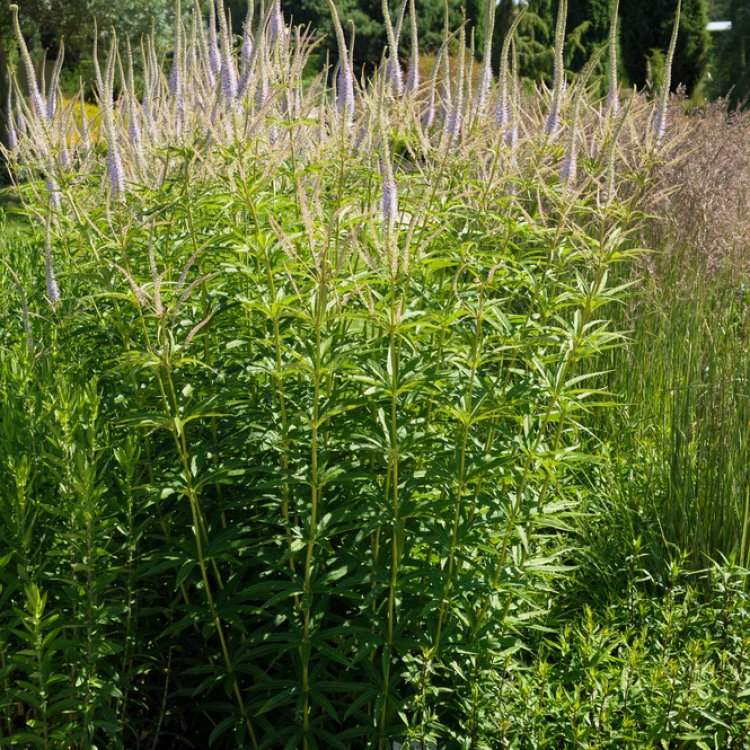
The narrow, lance-shaped leaves of Veronicastrum virginicum ‘Lavendelturm’ are arranged in attractive whorls around sturdy stems. This forms a strong, architectural silhouette, even before flowering begins. From July through to September, sometimes even into October, the spectacular flower spikes emerge. They provide a continuous display of soft colour and texture. As a result, the plant becomes a magnet for beneficial insects. Bees and butterflies are drawn to its abundant, nectar-rich flowers, thus boosting biodiversity in your outdoor space.
Culver’s Root is ideal for the back of a mixed border, where its commanding height can be fully appreciated. It also performs exceptionally well in cottage gardens, prairie-style plantings, and naturalistic schemes. Its upright form contrasts beautifully with more rounded or spreading plants, adding dynamic interest.
Veronicastrum virginicum ‘Lavendelturm’ thrives in full sun to partial shade, making it adaptable to various garden aspects. It develops strong, self-supporting stems that rarely require staking. This ensures a low-maintenance yet high-impact display. The plant dies back gracefully in winter, returning with vigour each spring. Cutting back spent flower spikes can encourage a tidier appearance, though many gardeners leave them for winter structure.
Hardy in the harshest UK conditions and below. Suitable for mountain regions.
Veronicastrum virginicum 'Lavendelturm' is generally low-maintenance once established. Plant in moist, well-drained soil in full sun to partial shade. Water regularly during dry spells, especially in the first year after planting. Apply a balanced fertiliser in spring. Spent flower spikes can be left for winter interest or cut back to the ground in late autumn or early spring for a tidier appearance. The plant rarely requires staking due to its strong stems.