£6.84 – £7.54Price range: £6.84 through £7.54
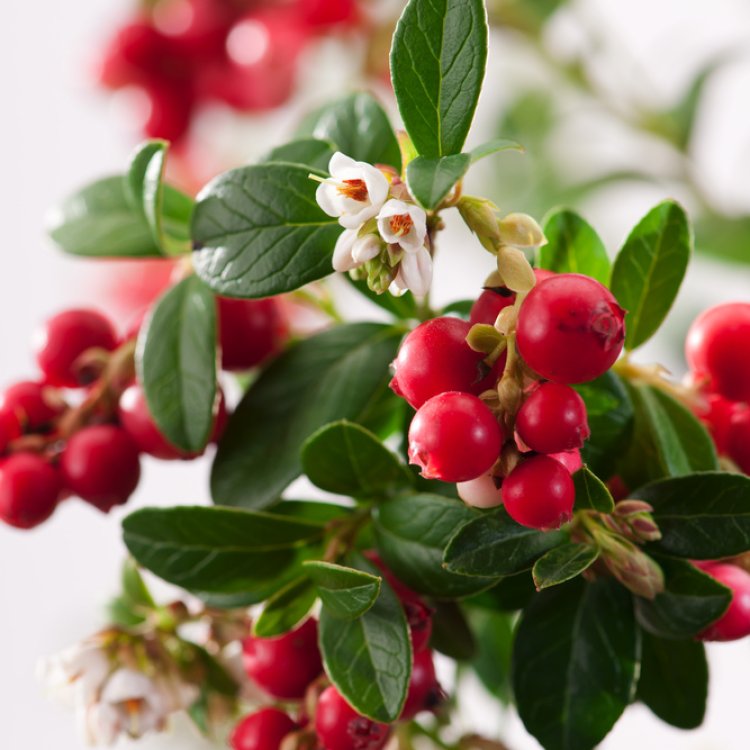
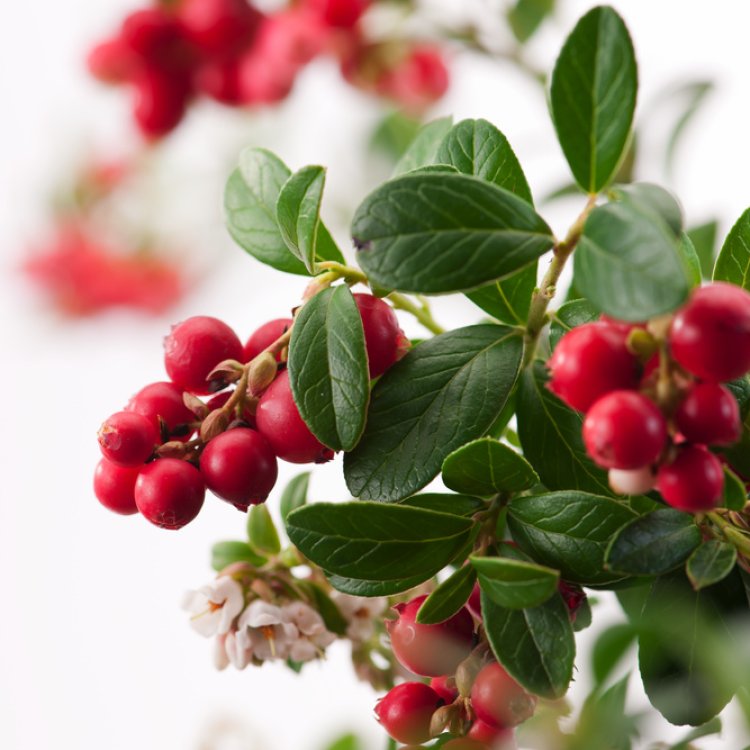
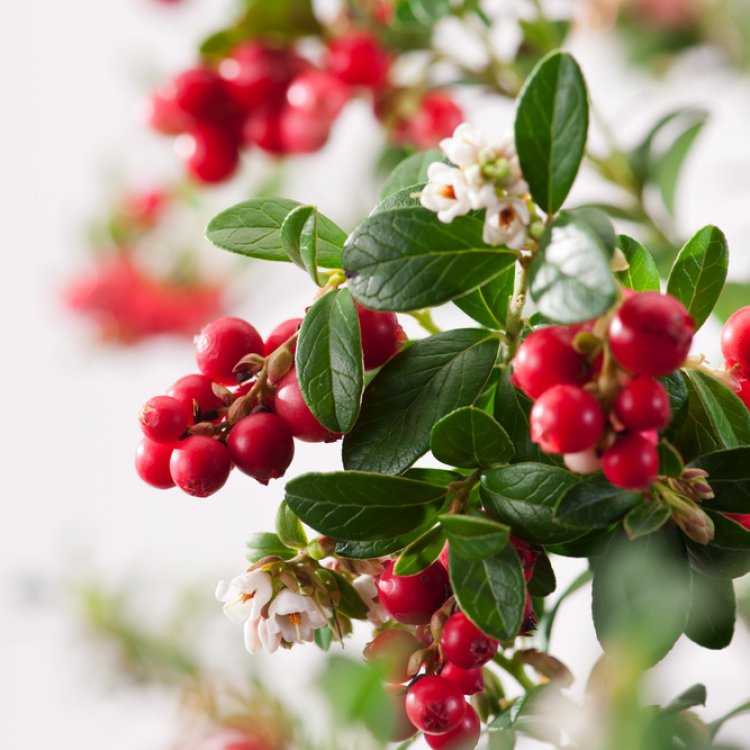
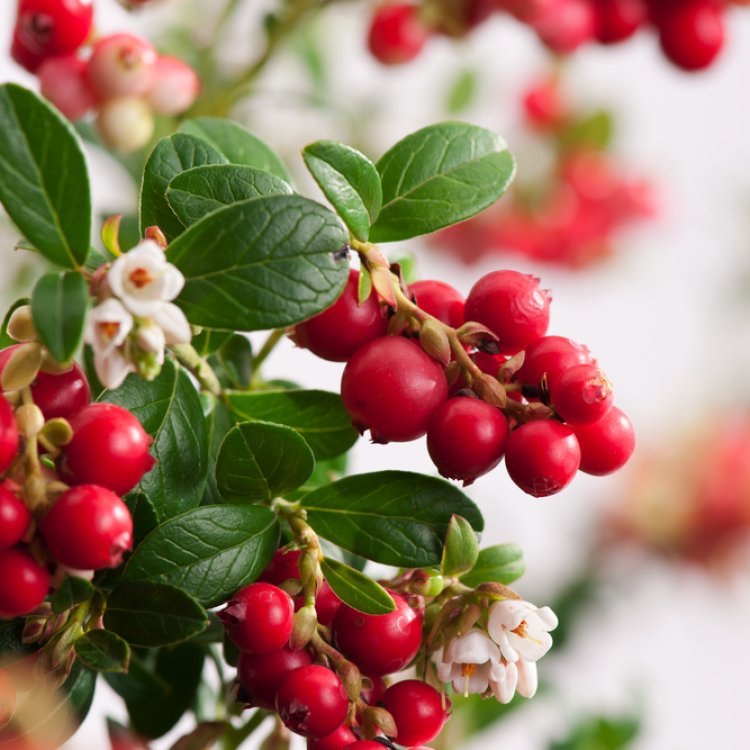
Vaccinium vitis-idaea, or Cowberry, is a hardy evergreen shrub for UK gardens. It features delicate pink-white flowers in spring, followed by vibrant, edible red berries in autumn. This low-growing plant provides year-round interest and attracts pollinators.
1724 in stock
Embrace Vaccinium vitis-idaea, a delightful evergreen shrub ideal for UK gardens. It provides delicate blooms and vibrant red berries, ensuring year-round beauty.
This hardy evergreen, known as Cowberry or Lingonberry, offers persistent foliage and delicious fruit. It forms a charming, low-growing carpet, thriving in acid-loving UK garden environments. Gardeners value its resilience and dual-season appeal. This plant adapts well to various settings, from woodland areas to containers. Its attractive appearance and tasty harvest make it popular.
Vaccinium vitis-idaea, known as Cowberry or Lingonberry, is a compact evergreen shrub. It forms a low mat, typically reaching around 30cm high. Its small, leathery leaves maintain rich green colour all year. They often develop bronzed tones in colder months, adding winter interest. This robust plant adapts well to diverse UK climates.
In late spring to early summer, Vaccinium vitis-idaea showcases beautiful bell-shaped flowers. These delicate blooms, often pinkish-white, hang in charming clusters. They attract various pollinators, including bees, which gather nectar.
Following these early flowers, bright red berries begin to form. These tart, sweet fruits ripen in late summer and autumn. They persist on the plant, creating a cheerful display against green foliage. Some plants may produce a second, lighter flower flush, extending the harvest.
The scientific name provides insight into this plant’s characteristics. “Vaccinium” is Latin, referring to a berry type, often associated with blueberries. “Vitis-idaea” translates to “vine of Mount Ida.”
This name likely references its low, vine-like growth and native mountainous habitat. Therefore, its name accurately reflects its trailing nature and berry production.
Vaccinium vitis-idaea offers excellent versatility for UK garden design. Its low, spreading habit makes it an ideal ground cover. It suppresses weeds effectively in borders or beneath larger shrubs. It looks fantastic spilling over rockeries or softening path edges. It also performs well in containers using ericaceous compost.
This plant demands acidic soil, thriving alongside other acid-loving plants. It requires minimal pruning; simply remove any dead or straggly stems after fruiting. This maintains a neat shape. Ultimately, it remains a low-maintenance, rewarding addition to many garden styles.
Hardy in all of the UK and northern Europe. Suitable for exposed sites.
Vaccinium vitis-idaea thrives with minimal fuss in the right conditions. It absolutely requires acidic soil, ideally with a pH between 4.5 and 5.5; incorporate ericaceous compost if your soil isn't naturally acidic. Keep the soil consistently moist, particularly during dry spells and when berries are developing, using rainwater where possible to avoid alkaline tap water. Apply an ericaceous fertiliser in early spring to support growth and fruit production, but avoid high-nitrogen feeds. Pruning is seldom needed; simply remove any dead, damaged, or straggly stems in late winter or early spring to maintain a tidy shape and encourage vigour. This robust plant is generally trouble-free, though container-grown specimens may benefit from some root protection during exceptionally harsh UK winters.