
£3.02 – £4.43Price range: £3.02 through £4.43
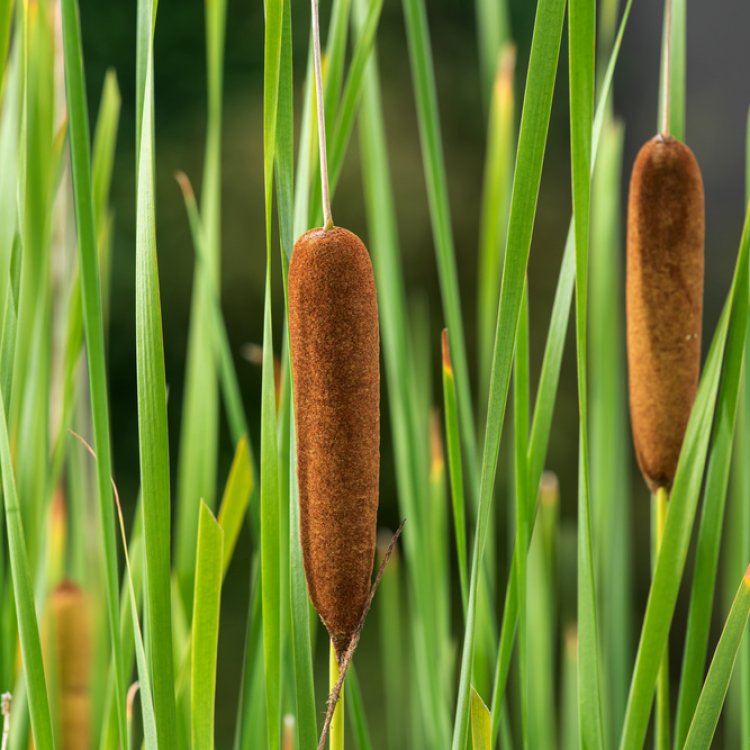
Bring architectural elegance to your UK pond or bog garden with Typha angustifolia, the Lesser Bulrush. Its tall, slender leaves and distinctive ‘cigar’ flower heads provide stunning vertical interest and vital wildlife habitat.
300 in stock
Discover Typha angustifolia, the elegant Lesser Bulrush, bringing architectural form and wildlife appeal to UK ponds and wetland gardens. Its distinctive presence enriches aquatic landscapes.
Typha angustifolia, also known as Narrow-leaved Reedmace or Lesser Bulrush, is a striking aquatic perennial. Gardeners value this plant for its tall, slender foliage and unique, cylindrical flower heads. It thrives in various water depths, making it an excellent choice for pond margins or boggy areas in British gardens. This robust native species adds vertical interest and a touch of wild beauty to any water feature.
The name Typha angustifolia perfectly describes this plant. ‘Typha’ likely comes from the Greek word ‘tuphe’, meaning a marsh, reflecting its natural habitat. ‘Angustifolia’ is Latin for ‘narrow-leaved’, which aptly defines its slender foliage. Commonly, UK gardeners refer to this plant as Lesser Bulrush or Narrow-leaved Reedmace. Consequently, it brings a distinctive charm to naturalistic water settings across the British Isles.
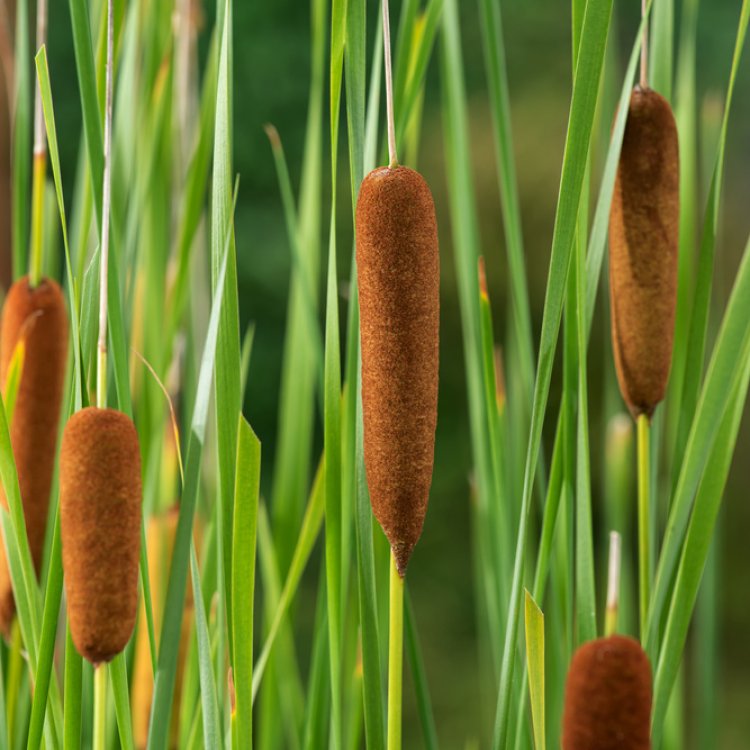
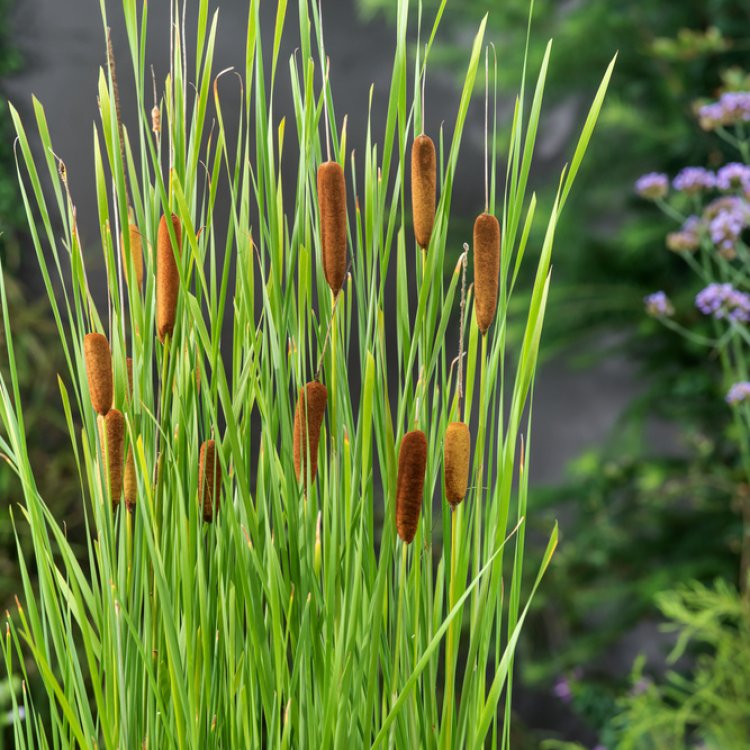
This species truly captivates with its remarkable bloom. From July through to August, Typha angustifolia produces its iconic flower spikes. These comprise a dense, cylindrical brown female flower head, resembling a ‘cigar’, positioned below a narrower, paler male section. Indeed, these unique blooms stand proudly above the foliage. Meanwhile, the leaves are long, strap-like, and a vibrant green colour. They grow vertically, forming a dense, upright clump. Ultimately, this creates a strong, architectural silhouette against the water.
Gardeners widely utilise Typha angustifolia for various aquatic applications. It excels in pond margins, where its roots can be submerged in shallow water or deep, wet soil. Furthermore, it suits bog gardens and wetland areas perfectly. Many people use it to naturalise larger ponds or lakes, providing important structure. Due to its upright habit, it helps to create vertical accents. This plant also forms excellent screens. As a result, it enhances the aesthetic appeal of water features significantly.
The Lesser Bulrush acts as a magnet for local wildlife. Its dense growth provides crucial shelter for amphibians, small fish, and various aquatic insects. Moreover, birds, such as finches, feed on the seeds from the mature flower heads in late autumn and winter. Pollinators may visit the flowers earlier in the season. Generally, Typha angustifolia requires minimal pruning. You simply cut back old, brown foliage and spent flower stems in late autumn or early spring. This keeps the plant tidy and encourages fresh growth. Thus, it remains a low-maintenance yet highly beneficial garden asset.
Very hardy. Tolerates temperatures typical of a continental winter.
Plant in still water, either directly into the pond bed or in a specialist aquatic basket to manage spread. Ensure crown is at or just below water level. Cut back old, brown foliage and spent flower heads in late autumn or early spring to maintain tidiness and promote new growth.