£5.13 – £7.49Price range: £5.13 through £7.49
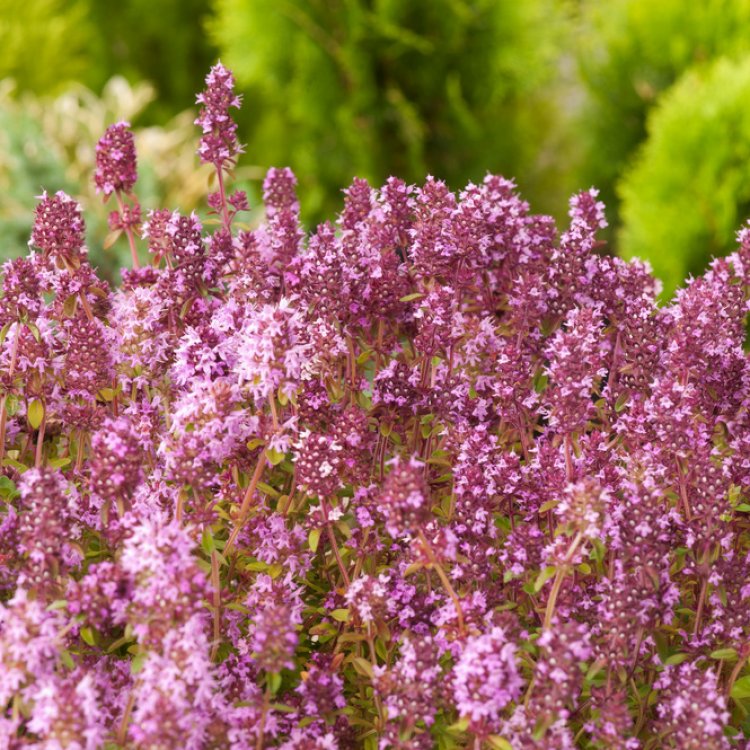
Thymus serpyllum, or Wild Thyme, is a charming evergreen perennial forming a fragrant, low-growing mat. Perfect for ground cover and rockeries, its purplish-pink summer flowers attract abundant bees and butterflies, bringing your UK garden to life.
1631 in stock
Discover Thymus serpyllum, also known as Wild Thyme or Creeping Thyme, a delightful mat-forming perennial ideal for bringing fragrance and beauty to your UK garden.
Thymus serpyllum presents a captivating tapestry of tiny flowers and aromatic foliage, perfect for enhancing pathways and rockeries. This resilient plant flourishes in sunny spots, providing excellent ground cover with minimal effort. Furthermore, it attracts a host of beneficial insects, truly enriching your garden’s biodiversity. Known for its charming, low-growing habit, this variety of thyme is a superb choice for both new and experienced gardeners seeking enduring appeal.
Thymus serpyllum, commonly recognised as Wild Thyme or Creeping Thyme, originates from vast areas of Europe and Asia, where it thrives in dry, rocky, and often exposed conditions. Its botanical name, Thymus, derives from ancient Greek, potentially meaning ‘courage’ or referencing its aromatic qualities used in sacrifices. The species epithet, serpyllum, directly translates to ‘creeping’, aptly describing its characteristic low-growing and spreading habit. This plant establishes a verdant carpet, hugging the ground with remarkable tenacity.
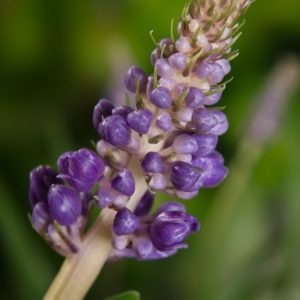
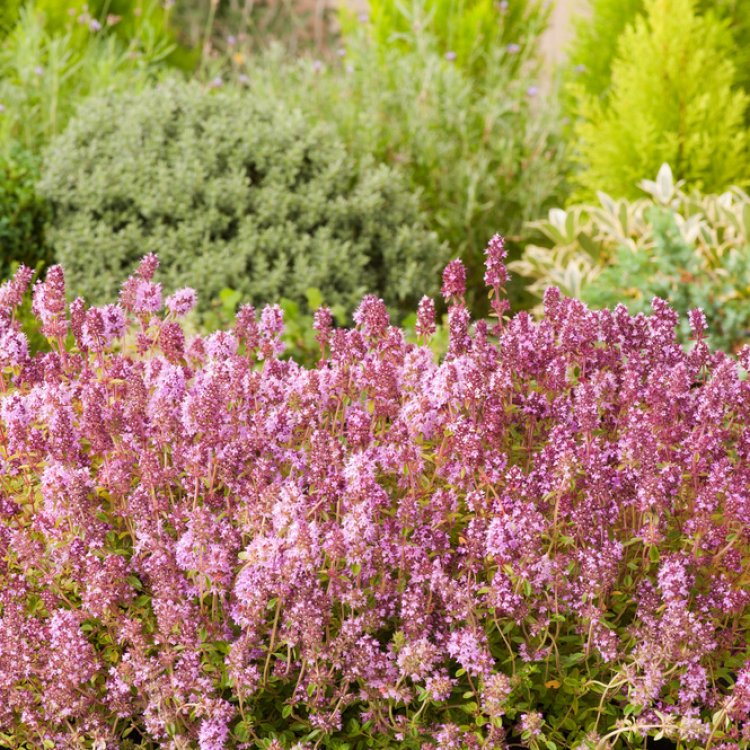
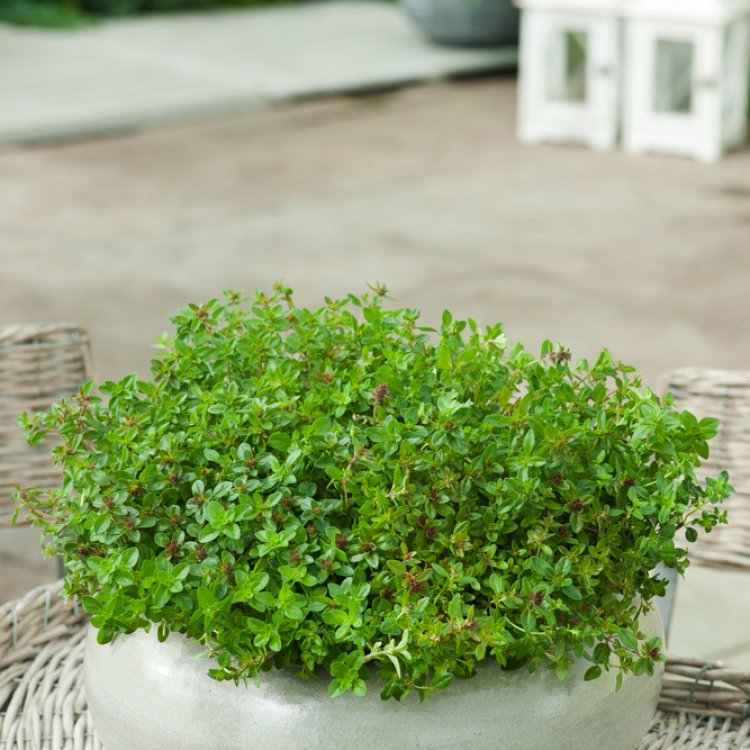
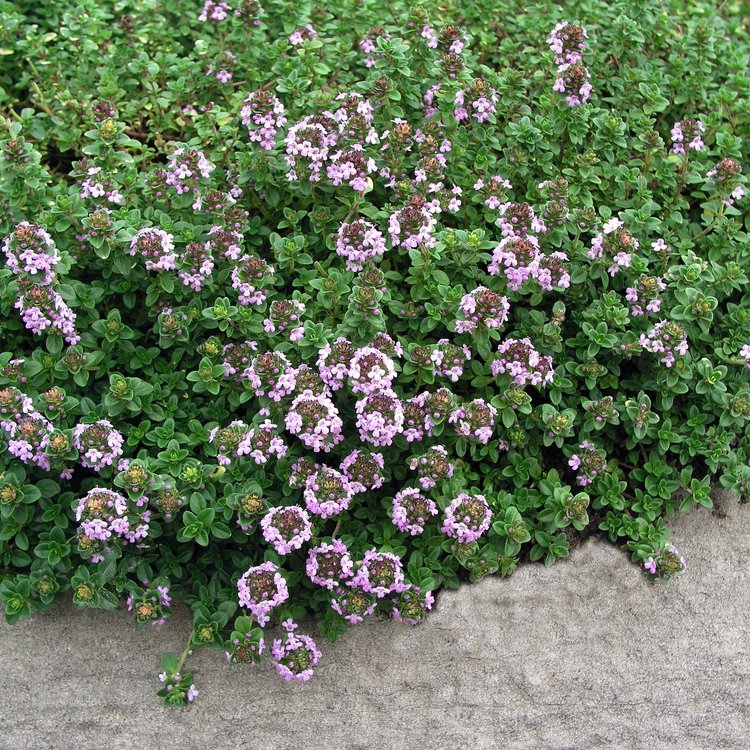
This evergreen perennial showcases a charming display of small, oval leaves, generally dark green, which release a delightful fragrance when brushed against. The foliage remains attractive throughout the year, adding continuous structure and interest. During the summer months, typically from June through to August in the UK, Thymus serpyllum bursts into a spectacular show of tiny, vibrant flowers. These blooms often appear in shades of purplish-pink, although sometimes white forms emerge, creating a delicate, pollinator-friendly spectacle.
Thymus serpyllum is incredibly versatile in the garden. For example, gardeners often plant it as a superb ground cover, especially over banks or in rock gardens. It also works beautifully when allowed to cascade over walls or to grow between paving stones, softening hard landscaping. Moreover, its resilience means it tolerates light foot traffic, making it suitable for paths.
Significantly, this plant is a magnet for wildlife. Its nectar-rich flowers are enormously popular with bees and butterflies, thereby making it an indispensable addition for supporting local ecosystems. Light trimming after flowering helps maintain its compact form and encourages denser growth, although it rarely requires heavy pruning.
Very hardy. Tolerates temperatures typical of a continental winter.
Thymus serpyllum thrives in full sun and well-drained soil, including sandy, loamy, or chalky types. It is drought-tolerant once established, so water sparingly. Trim lightly after flowering to maintain a neat shape and encourage denser growth. This also helps to prevent woodiness. Minimal feeding is required; rich soil can lead to leggy growth. Protect from excessive winter wet if planted in heavy clay soil.