
£46.94 – £58.43Price range: £46.94 through £58.43
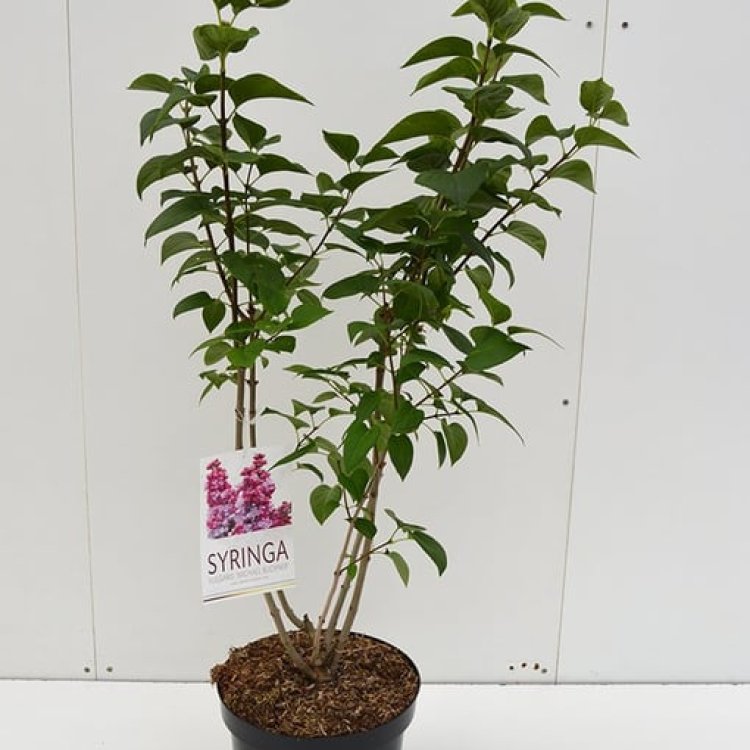
Syringa vulgaris ‘Michel Buchner’ offers stunning clusters of fragrant, double purple-pink flowers, perfect for UK gardens. This classic lilac blooms in late spring, attracting pollinators and adding an intoxicating scent to borders or as a magnificent specimen plant.
76 in stock
Syringa vulgaris ‘Michel Buchner’ is a truly stunning deciduous lilac, celebrated for its abundant clusters of fragrant, double purple-pink flowers, bringing charm and elegance to any UK garden. This exquisite cultivar offers a breathtaking display each spring, making it a cherished addition to various garden styles. Its rich colour and intoxicating perfume create an unforgettable sensory experience, drawing both the eye and the nose. Consequently, many gardeners choose this variety for its reliable bloom and graceful form. Plant this beautiful lilac and watch your garden transform with vibrant colour and delightful scent.
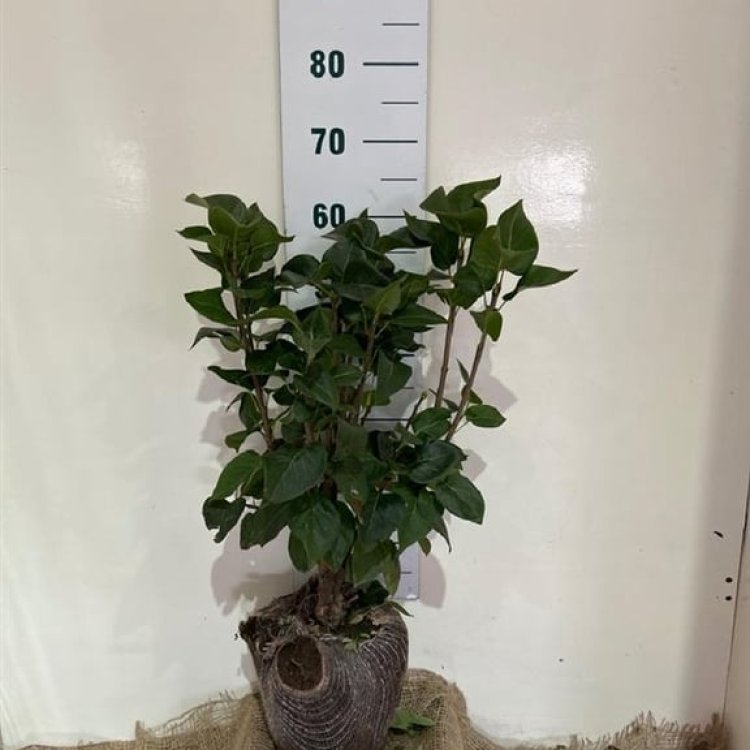
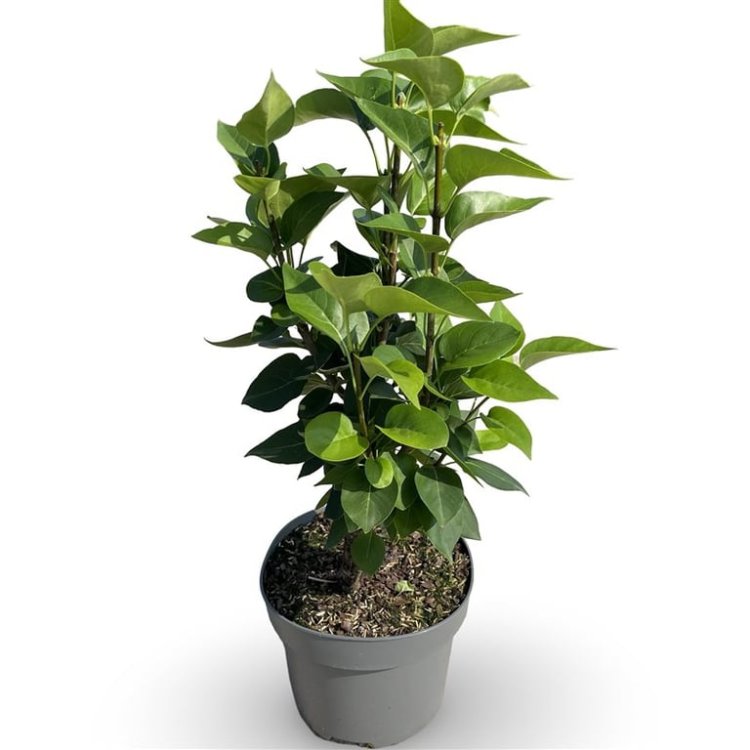
Originating from the renowned French hybridist Victor Lemoine in 1892, Syringa vulgaris ‘Michel Buchner’ is a classic ‘French Hybrid’ lilac, a testament to generations of dedicated breeding. This particular cultivar is famous for its large, closely packed panicles of double florets. Each individual flower features multiple layers of petals, creating a wonderfully full and intricate appearance. The blooms emerge as a soft, captivating purple-pink, often with lighter shades towards the centre, which gradually soften as they mature. Furthermore, the foliage consists of classic heart-shaped, mid-green leaves, which provide an attractive backdrop throughout the growing season.
The spectacular bloom of Syringa vulgaris ‘Michel Buchner’ begins in late May and continues through June, painting the garden with its distinctive purple-pink hues. These large, conical flower clusters, known as panicles, stand out against the fresh green foliage. As the flowers unfold, they release their delightful perfume, which often drifts gently across the garden, especially on warm spring evenings. This makes it an ideal choice for planting near patios, windows, or pathways where its scent can be fully appreciated. Meanwhile, the healthy green leaves maintain their appeal from spring until autumn, before falling away for winter dormancy.
Gardeners use this versatile lilac in many ways. It performs wonderfully as a focal specimen plant, anchoring a border or providing vertical interest. Moreover, you can plant several together to form an informal, fragrant hedge, which creates a stunning boundary. It also fits perfectly into traditional cottage gardens, mixed borders, and even more contemporary settings where its classic beauty is desired. Furthermore, its upright habit makes it suitable for smaller gardens, as it generally remains within manageable dimensions.
Maintaining the health and vigour of your Syringa vulgaris ‘Michel Buchner’ involves some light pruning. Gardeners should prune this shrub immediately after it finishes flowering, typically in June. This practice encourages better bloom production for the following year and helps to maintain a desirable shape. Remove spent flower heads and any weak, damaged, or crossing branches. Consequently, the plant will direct its energy into developing strong new growth. Furthermore, this beautiful lilac provides excellent support for local wildlife. Its nectar-rich flowers are a magnet for various pollinators, including busy bees and colourful butterflies, which visit frequently to gather sustenance. Therefore, planting this lilac contributes positively to local biodiversity, ensuring your garden thrives with life and colour.
Very hardy. Tolerates temperatures typical of a continental winter.
This lilac generally requires minimal care. Ensure it receives adequate water during dry spells, especially in its first year. Apply a balanced fertiliser in early spring to support vigorous growth and flowering. Prune lightly immediately after flowering to remove spent blooms and shape the plant, which also encourages better flowering the following year. Remove any suckers from the base to maintain a single-stemmed or desired multi-stemmed form. It is generally pest and disease resistant.
This plant is deciduous so it will lose all of its leaves in the autumn and get fresh new foliage each spring.