£23.72 – £26.08Price range: £23.72 through £26.08
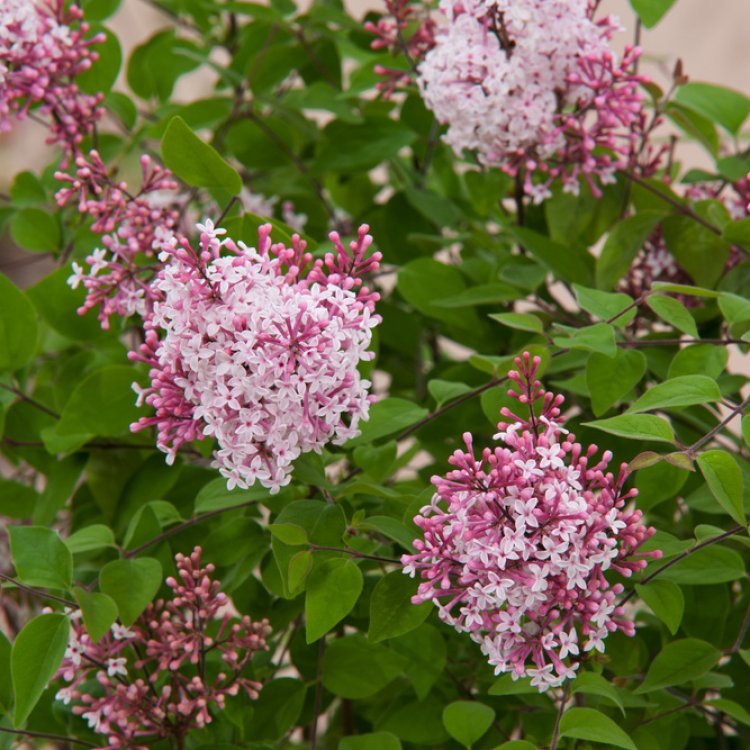
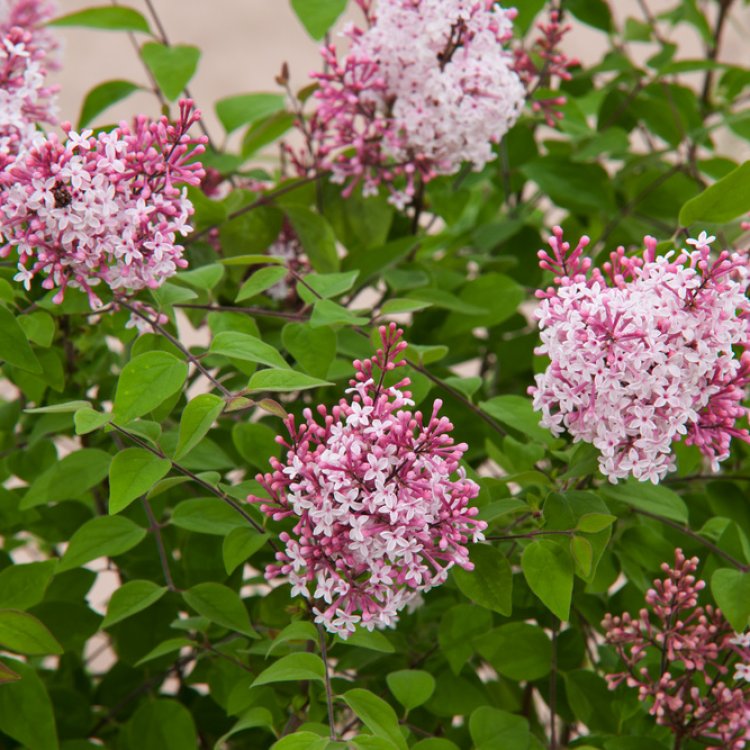
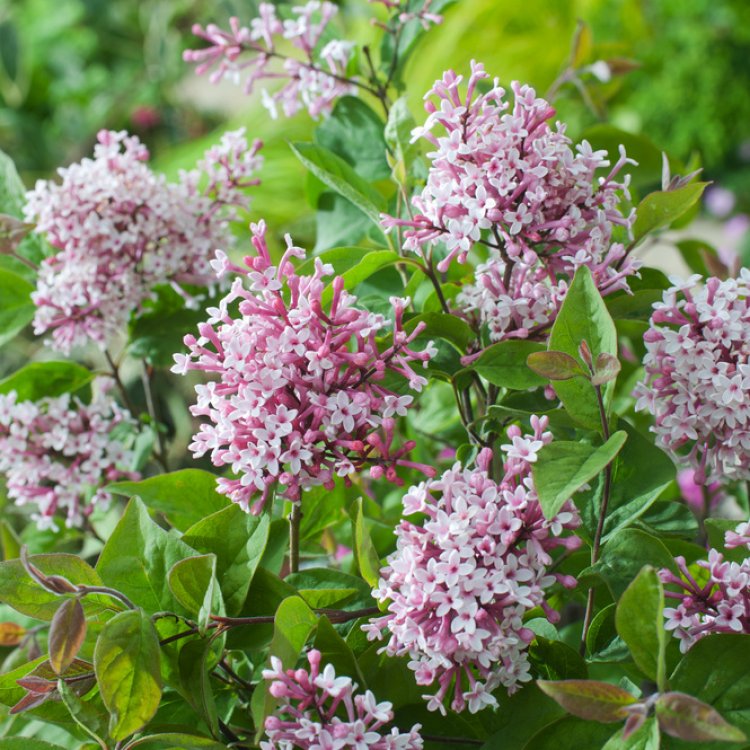
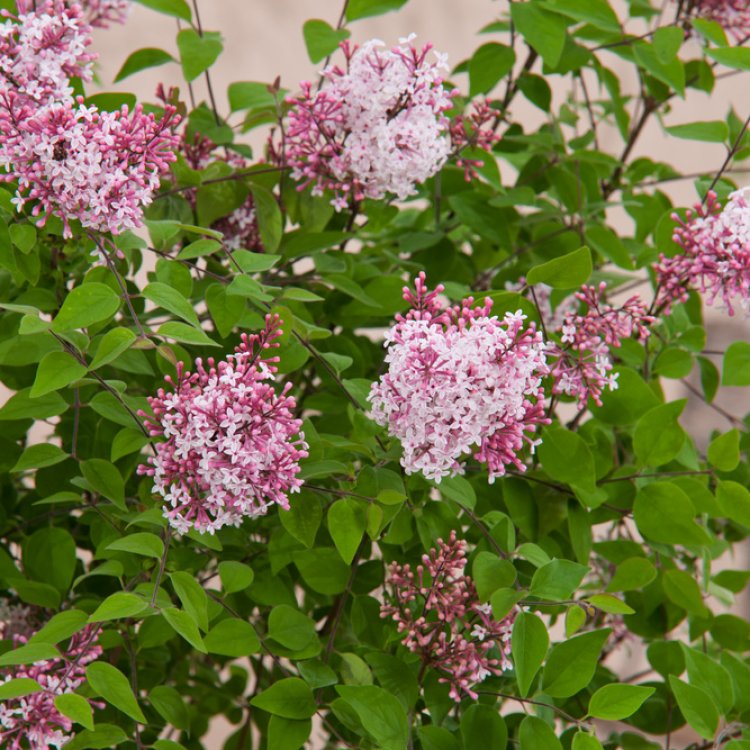
Syringa microphylla ‘Superba’ is a compact Littleleaf Lilac, gracing gardens with fragrant pink flowers from spring to autumn. This reblooming shrub attracts pollinators and fits beautifully into borders or pots, offering enduring charm and sweet scent.
167 in stock
Syringa microphylla ‘Superba’ brightens UK gardens with its vibrant pink blooms and delightful fragrance, offering beauty from spring through to autumn.
The enchanting Syringa microphylla ‘Superba’, also known as the Littleleaf Lilac, is a compact deciduous shrub. It brings elegance and charm to any outdoor space. Gardeners widely appreciate this lovely cultivar for its extended flowering season. Its smaller stature makes it highly versatile. It thrives beautifully in various garden settings, especially where space is a consideration. This lilac truly offers a superb display.
Syringa microphylla ‘Superba’ is a truly special lilac. Its botanical name, Syringa, derives from the Greek word ‘syrinx’, meaning pipe, because its hollow stems were once used for making pipes. The ‘microphylla’ part specifically translates to ‘small-leaved’, which accurately describes its delicate foliage. Then, ‘Superba’ aptly describes its outstanding floral display. This specific cultivar offers a compact growth habit, therefore making it a perfect choice for many UK gardens.
During late spring and early summer, Syringa microphylla ‘Superba’ bursts into life. It produces a spectacular flush of rich pink flowers. Each flower cluster carries a strong, sweet fragrance. These blooms consistently attract various garden visitors. Bees and butterflies often flock to its nectar-rich flowers. The small, ovate, dark green leaves provide a pleasing backdrop to the vibrant blossoms. They maintain a neat appearance throughout the growing season.
What sets this Littleleaf Lilac apart is its remarkable ability to rebloom. After its initial lavish display, it often continues to produce flowers sporadically. This extends the garden’s interest right into autumn. You can enjoy its beauty for many months. Consequently, it brings lasting colour and scent to your outdoor areas.
This versatile shrub works well in numerous garden designs. Its compact size means it fits perfectly into mixed borders. You can also use it as a low informal hedge. Consider planting it near a patio or seating area to fully appreciate its wonderful fragrance. It also makes an excellent container plant. This allows you to move it around as needed. Furthermore, Syringa microphylla ‘Superba’ is superb for adding structure to smaller garden rooms.
For best results, position your Syringa microphylla ‘Superba’ where it receives full sun. This ensures the most abundant flowering. Light pruning after its first major flush of blooms helps encourage further flowering. This simple task can significantly enhance its reblooming potential. Its robust nature and charming appearance make it a gardener’s favourite.
Very hardy. Tolerates temperatures typical of a continental winter.
Water regularly during dry periods, especially during its first year. Once established, it becomes more drought-tolerant. Feed with a balanced granular fertiliser in early spring to support healthy growth and abundant flowering. Prune immediately after the first flush of blooms in early summer; remove spent flower heads and trim back flowered shoots by about one-third. This encourages further flowering later in the season and maintains a neat shape. Also, remove any dead, damaged, or crossing branches. Apply a layer of organic mulch around the base in spring to help retain soil moisture and suppress weeds.
This plant is deciduous so it will lose all of its leaves in the autumn and get fresh new foliage each spring.