£2.92 – £3.62Price range: £2.92 through £3.62
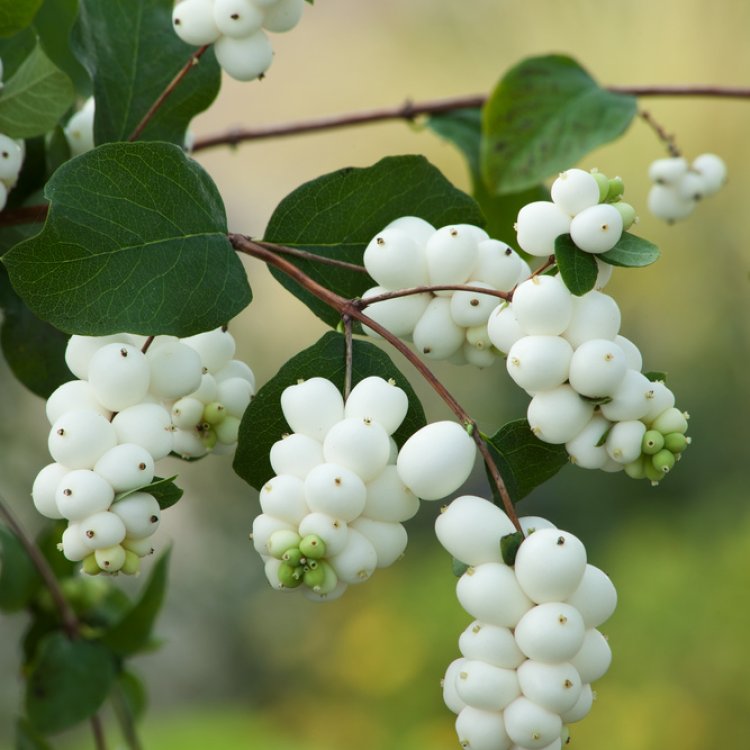
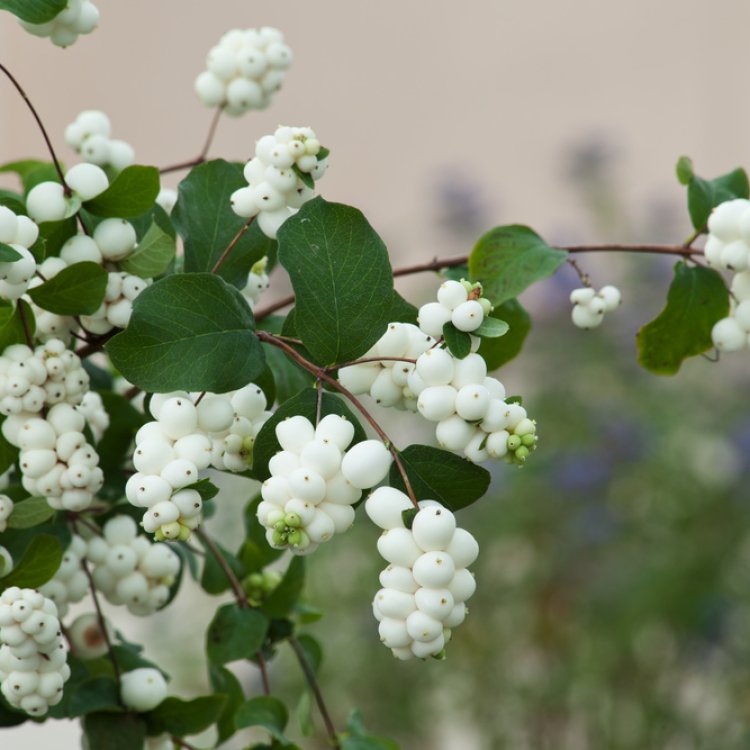
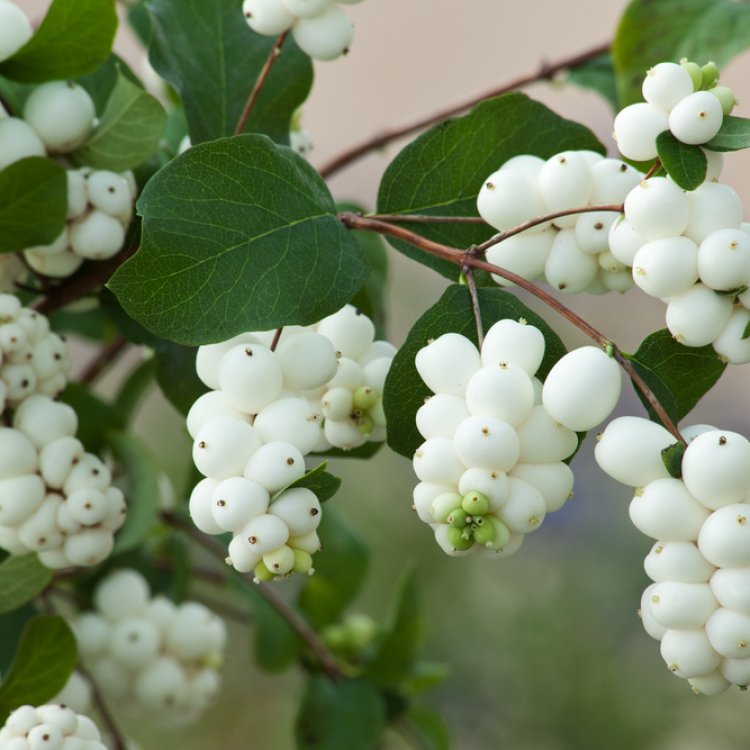
Symphoricarpos doorenbosii ‘White Hedge’ is a charming deciduous shrub, celebrated for its abundant clusters of bright white, pearl-like berries. Perfect for hedging or borders, it offers superb winter interest and attracts pollinators.
392 in stock
Discover Symphoricarpos doorenbosii ‘White Hedge’, a charming deciduous shrub renowned for its abundant, pearl-like white berries and versatile garden use.
Symphoricarpos doorenbosii ‘White Hedge’, commonly known as Snowberry, offers unique appeal to UK gardens. This robust shrub brings a touch of winter elegance, especially when its bright white fruits stand out against bare branches. Furthermore, its ability to thrive in various conditions makes it an excellent choice for many planting schemes.
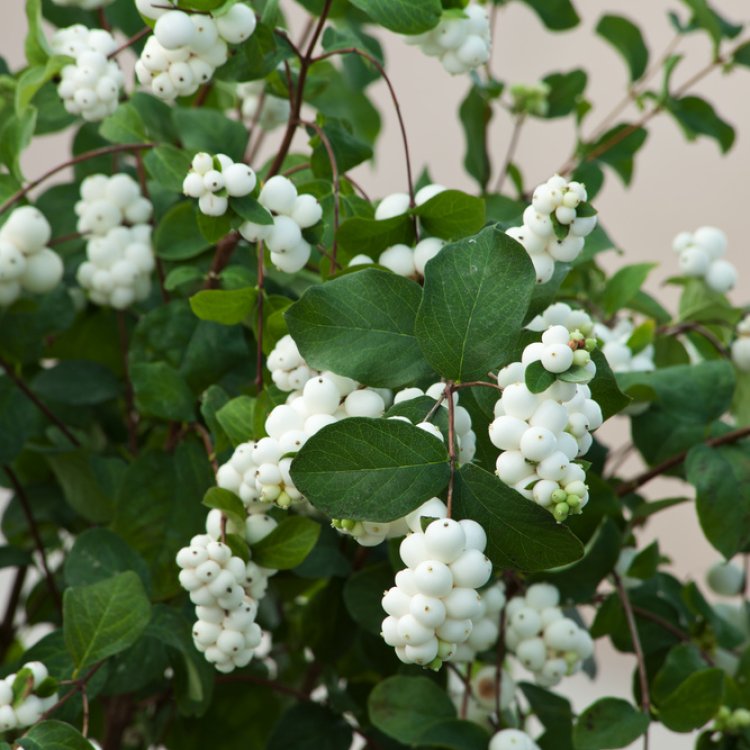
Gardeners often select this particular cultivar for its dense habit. Its prolific berry production ensures a spectacular display from autumn into winter.
Symphoricarpos doorenbosii ‘White Hedge’ truly earns its place in diverse garden settings. It belongs to the Caprifoliaceae family, known for its attractive shrubs. The name ‘Symphoricarpos’ comes from Greek. It combines “symphorein,” meaning “to bear together,” and “karpos,” meaning “fruit.” This accurately describes its characteristic clusters of berries. The cultivar ‘White Hedge’ highlights its distinctive berry colour. It is also well-suited for creating informal or formal hedging. This particular snowberry results from specific breeding. It provides a robust and ornamental plant for British gardens.
During summer, Symphoricarpos doorenbosii ‘White Hedge’ produces small, delicate, pinkish-white flowers. These bell-shaped blooms are relatively understated, yet they play a crucial role in attracting local bees and other beneficial pollinators. As a deciduous shrub, its fresh green leaves emerge in spring, providing a lush backdrop throughout the warmer months. While its foliage offers pleasant texture, the true spectacle arrives later in the year. The plant’s primary attraction lies in its persistent, bright white berries, which form after the flowers fade. These numerous, marble-sized fruits cling to the branches long into winter, providing visual interest when many other plants have lost their appeal.
This resilient Snowberry offers incredible versatility for UK gardeners. It is particularly effective when planted as a low-maintenance hedge, forming a dense screen or boundary. You can also use it to define borders, where its white berries create a striking contrast against evergreen shrubs or dark fencing. Furthermore, Symphoricarpos doorenbosii ‘White Hedge’ works well as ground cover, especially on banks or slopes where it helps to suppress weeds. Its robust nature means it tolerates urban pollution and coastal conditions, making it suitable for a wide array of garden environments.
Symphoricarpos doorenbosii ‘White Hedge’ responds very well to pruning. Regular trimming helps maintain its desired shape and encourages a more floriferous and fruitful display. You can prune it back hard in late winter or early spring to rejuvenate older plants or to keep a tidy hedge. This encourages fresh growth and ensures a continuous show of berries. Beyond its aesthetic qualities, this Snowberry offers a valuable resource for local wildlife. The summer flowers provide nectar for various insects, including bees. Later, the abundant white berries serve as a food source for birds, particularly during the colder months when other options are scarce. Therefore, planting this shrub actively supports biodiversity in your garden.
Very hardy. Tolerates temperatures typical of a continental winter.
Symphoricarpos doorenbosii 'White Hedge' is a low-maintenance shrub. Water regularly during its first year to establish strong roots. Once established, it tolerates various conditions well. Prune in late winter or early spring to maintain shape, remove old wood, and encourage a more prolific display of berries. It is generally resistant to most pests and diseases.
This plant is deciduous so it will lose all of its leaves in the autumn and get fresh new foliage each spring.