£4.84 – £7.20Price range: £4.84 through £7.20
Symphoricarpos chenaultii, or Chenault’s Coralberry, is a hardy deciduous shrub offering abundant pink and white berries from autumn to winter. This low-maintenance plant enhances UK gardens with its vibrant display and supports local wildlife.
177 in stock
Discover Symphoricarpos chenaultii, or Chenault’s Coralberry, a hardy deciduous shrub renowned for its abundant, colourful berries that brighten UK gardens.
Symphoricarpos chenaultii is a vigorous, low-maintenance shrub that brings unique charm to any garden setting. Originating from North America and Asia, this hybrid offers year-round interest, especially when its distinctive berries appear. It adapts well to various conditions, making it a reliable choice for gardeners across the United Kingdom. Its arching stems and delicate foliage provide a lovely backdrop for its seasonal display, enhancing diverse planting schemes.
The intriguing name Symphoricarpos chenaultii belongs to a captivating hybrid shrub. It is also commonly known as Chenault’s Coralberry. This particular plant arose from a cross between Symphoricarpos microphyllus and Symphoricarpos orbiculatus.
Its name reflects its berry-producing nature. ‘Symphoricarpos’ derives from Greek words meaning “to bear together fruit,” referencing the clustered berries. Meanwhile, ‘chenaultii’ honours the French nursery where this cultivar was first developed.
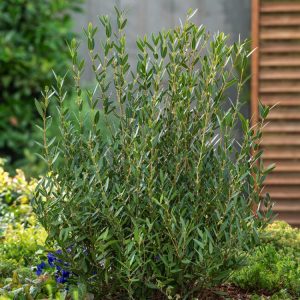
During the spring months, Symphoricarpos chenaultii unfurls small, oval, mid-green leaves along its graceful, arching stems. These leaves offer a fresh appearance throughout the warmer seasons. In early summer, tiny, bell-shaped flowers emerge, often a delicate white or pale pink.
Although these blooms are relatively inconspicuous, they are crucial for attracting pollinators. Bees visit them, which later leads to the plant’s main ornamental feature.
As autumn approaches, the true spectacle begins. Symphoricarpos chenaultii becomes adorned with a profusion of eye-catching berries. These globose fruits transition from pale pink to a deeper coral shade, often with a white blush.
This creates a stunning visual display that lasts well into winter. The berries are clustered along the stems, providing vibrant colour when many other garden plants have faded.
Chenault’s Coralberry proves itself incredibly versatile in the UK garden. Gardeners often choose it for informal hedging, where its dense growth provides excellent screening.
Furthermore, it works wonderfully within mixed shrub borders, adding texture and late-season colour. Its arching habit also makes it suitable for planting on banks or slopes for effective ground cover. This robust shrub establishes quickly and performs reliably year after year.
To maintain a tidy shape and encourage vigorous growth, prune Symphoricarpos chenaultii in late winter or early spring. Simply remove any old or overcrowded stems at the base, thus rejuvenating the plant.
Beyond its aesthetic appeal, this shrub is a boon for local wildlife. Its flowers offer nectar for bees. The berries also provide a vital food source for birds, particularly during the colder months, ensuring your garden remains a lively habitat.
Very hardy. Tolerates temperatures typical of a continental winter.
Symphoricarpos chenaultii is a low-maintenance shrub. Water newly planted specimens regularly until established, especially during dry periods. Once established, it is drought-tolerant. Prune in late winter or early spring by removing up to one-third of the oldest stems at ground level to encourage fresh growth and berry production. This helps maintain a good shape and vigorous habit. It generally does not require feeding if planted in reasonably fertile soil.
This plant is deciduous so it will lose all of its leaves in the autumn and get fresh new foliage each spring.