£4.82 – £5.53Price range: £4.82 through £5.53
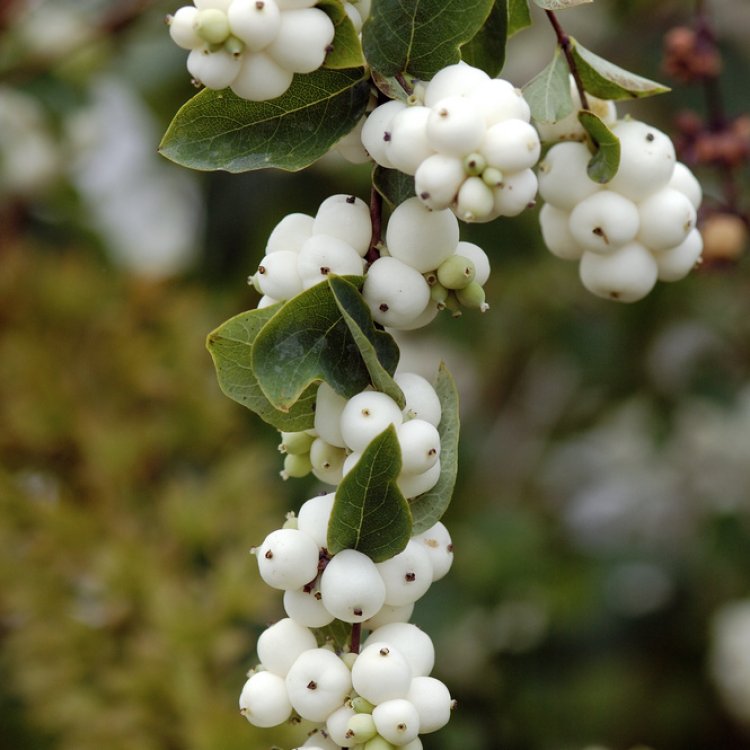
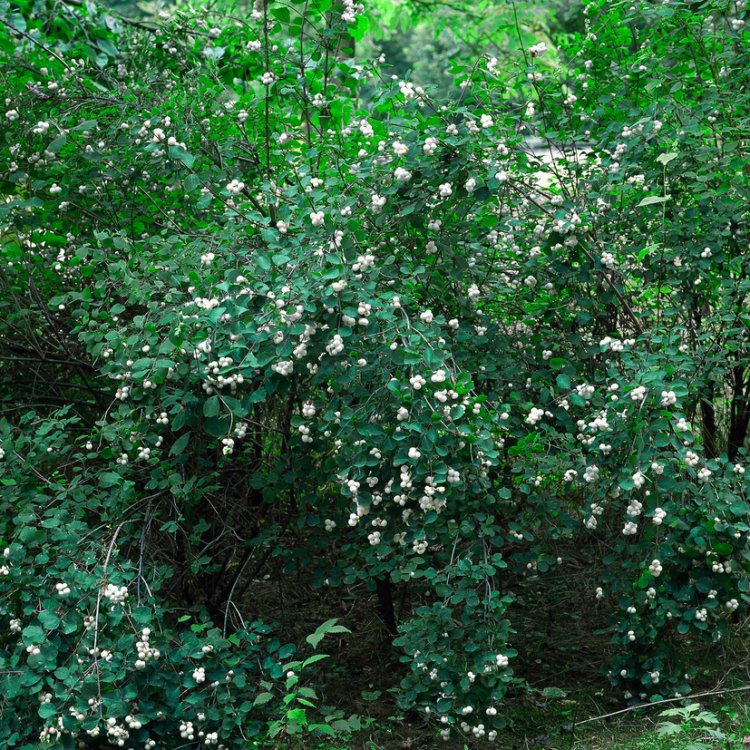
Symphoricarpos albus laevigatus, or Snowberry, is a charming deciduous shrub. It produces abundant, pure white berries in autumn and winter, offering vital seasonal interest and food for birds in UK gardens.
637 in stock
Symphoricarpos albus laevigatus, the delightful Snowberry, is a charming deciduous shrub, perfect for UK gardens. It offers pure white berries in autumn and winter.
This resilient shrub brings significant appeal to any outdoor space, especially when other plants fade. Its cheerful white fruits offer a lovely contrast against bare winter branches. Gardeners prize it for its ease of growth and its ability to thrive in many conditions. Furthermore, Symphoricarpos albus laevigatus provides important food and shelter for local wildlife, making it a valuable addition to a biodiverse garden.
Symphoricarpos albus laevigatus takes its name from Greek words. ‘Symphorein’ means ‘to bear together’, referring to its clustered fruits. The term ‘albus’ means white, clearly pointing to its striking, snow-white berries. Thus, its common name, Snowberry, aptly describes its most notable feature.
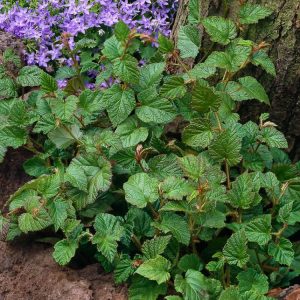
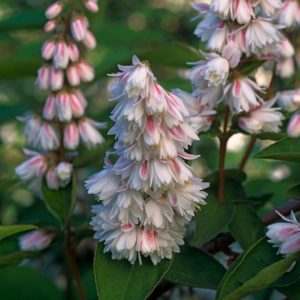
Throughout spring and summer, the plant displays oval, mid-green leaves. These leaves provide a lush, leafy texture to the garden. Small, often overlooked, pinkish-white flowers emerge during summer. These dainty blossoms offer a food source for busy insects. However, the true spectacle begins in late summer. Gradually, these flowers develop into the Snowberry’s iconic, pearly white fruits.
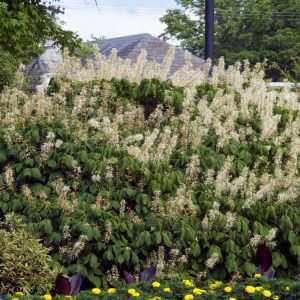
Symphoricarpos albus laevigatus proves itself highly versatile in UK gardens. Its dense habit makes it an excellent choice for informal hedging or as an effective screen. Gardeners also use it for mass planting in larger areas. Because it tolerates various light levels, it performs well under trees or in shadier spots. This ensures it fits into many different garden designs.
Furthermore, the Snowberry is very robust and tolerates pruning well. You can cut it back hard in late winter or early spring. This helps to maintain its shape and size. Pruning also encourages fresh new growth, which often leads to an even more abundant berry display the following season. This makes managing the plant quite straightforward for all gardeners.
The Snowberry is a beneficial plant for local wildlife. Its small summer flowers attract bees and other essential pollinators. Later in the year, the abundant white berries become a vital food source for birds, especially during the lean winter months. This makes Symphoricarpos albus laevigatus a superb choice for wildlife-friendly gardens. Indeed, its presence helps to support biodiversity.
The shrub’s long-lasting berries provide welcome visual interest through autumn and winter. These pure white clusters brighten up the garden when most other plants are dormant. Their glossy appearance adds a touch of simple elegance. This persistent beauty ensures your garden retains charm and life, even on the coldest, shortest days.
Hardy in the harshest UK conditions and below. Suitable for mountain regions.
Symphoricarpos albus laevigatus is a low-maintenance shrub. Water newly planted specimens regularly until established. Once established, it is quite drought tolerant. Prune in late winter or early spring while the plant is dormant. You can lightly trim to maintain shape, or prune harder to rejuvenate older plants and encourage fresh, vigorous growth. It tolerates hard pruning well.
This plant is deciduous so it will lose all of its leaves in the autumn and get fresh new foliage each spring.