£40.81 – £43.16Price range: £40.81 through £43.16
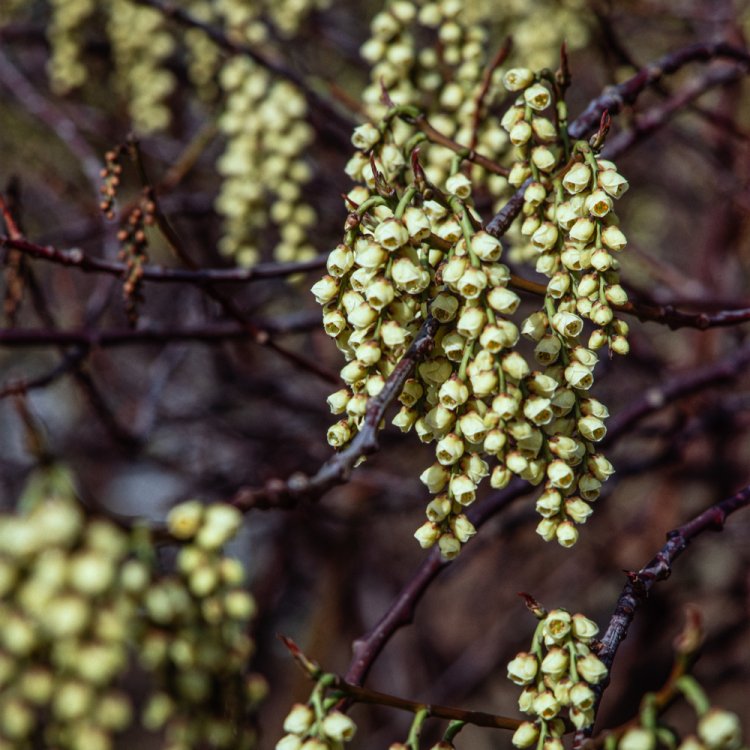
Stachyurus praecox is an elegant, deciduous shrub offering stunning early spring interest. It produces pendulous spikes of pale yellow, bell-shaped flowers before its leaves emerge, followed by attractive autumn foliage. This low-maintenance plant is ideal for UK gardens, providing crucial early nectar for pollinators.
56 in stock
Discover Stachyurus praecox, an elegant deciduous shrub offering early spring beauty. Its unique pendulous blooms bring a welcome burst of colour to UK gardens, providing essential interest when little else flowers.
Stachyurus praecox, sometimes referred to as ‘spike-tail’ due to its distinct flower clusters, stands out with undeniable charm. This attractive shrub effectively heralds the spring season with its graceful, bell-shaped flowers. It adds both structure and vital seasonal interest to any garden space. Gardeners across the UK cherish its remarkably early display. This plant truly thrives in many different garden settings, thus providing beauty during the colder months when other plants remain dormant. We will now explore its key features and garden uses.
This striking shrub captivates with its delicate yet impactful presence. Stachyurus praecox is a medium-sized plant, growing to an average height and spread. Its open, arching habit offers an architectural quality. Overall, it serves as a wonderful focal point or an integral part of a mixed border. Furthermore, its hardy nature makes it a reliable choice for various UK climates.
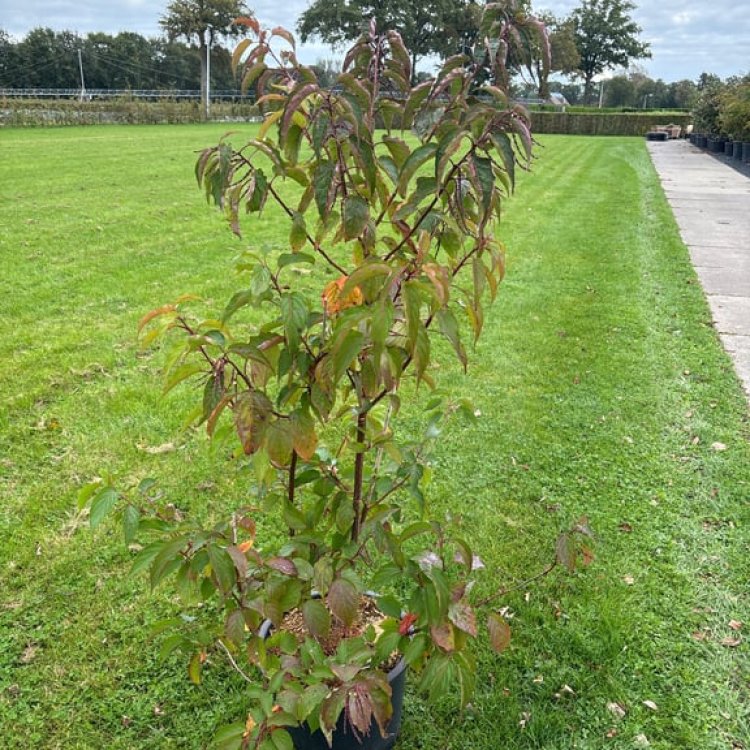
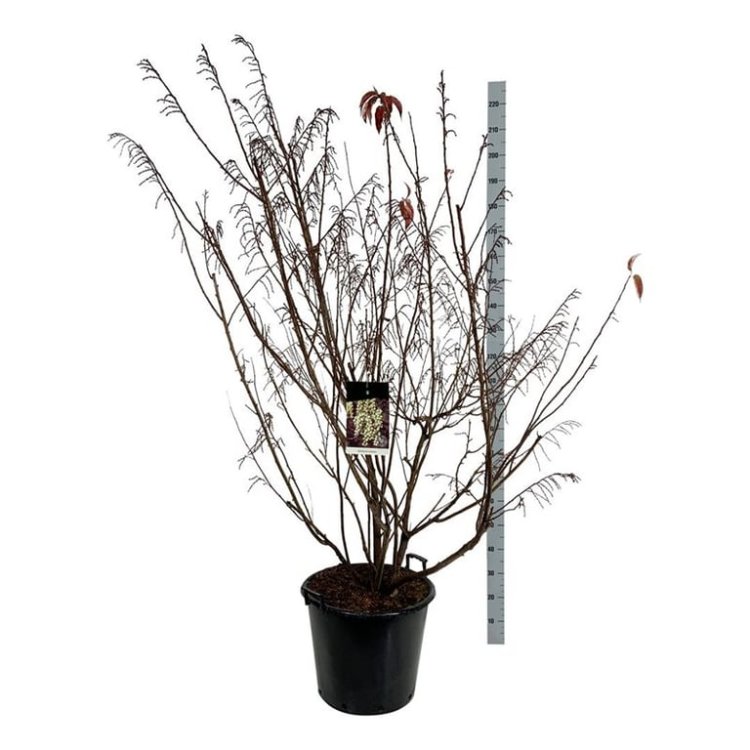
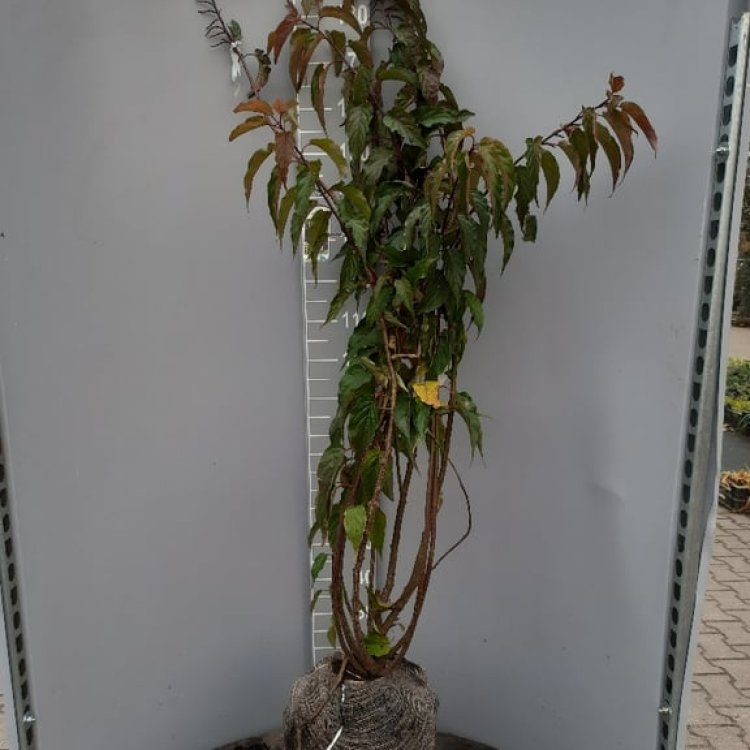
Stachyurus praecox is perfectly suited for a sheltered position within a woodland garden or as a standout specimen shrub. Its early flowers appear on bare, often reddish-brown stems. These delightful blooms create a luminous display against the winter backdrop. Subsequently, the foliage unfolds, bringing lush green to the garden during summer. Later still, autumn provides a final flourish of rich leaf colour, often including shades of gold and crimson.
This plant is generally low maintenance. Light pruning can be carried out after flowering. This helps to maintain its shape, remove any dead or crossing stems, or to control its size if necessary. However, it does not typically require heavy pruning. Consequently, it is an excellent choice for gardeners seeking impact without extensive upkeep. Its early blooms provide a welcome food source for early insects, therefore helping local wildlife.
The name Stachyurus praecox itself offers clues about the plant’s appearance. ‘Stachyurus’ originates from Greek words: ‘stachys’ meaning spike, and ‘oura’ meaning tail. This refers directly to its distinctive flower spikes which resemble a tail-like cluster. The species epithet ‘praecox’ is Latin for ‘early’, aptly describing its very early flowering period. Indeed, its name perfectly captures its most endearing characteristics.
Hardy across most of the UK except particularly exposed or cold regions.
Stachyurus praecox is a low-maintenance shrub. It thrives in moist but well-drained, humus-rich, acid to neutral soil. Plant it in a sheltered position, ideally in partial sun or dappled shade, to protect its early blooms from harsh winds. Keep the soil consistently moist, especially during dry spells, and apply a balanced fertiliser in early spring. Pruning is generally light; remove any dead, damaged, or crossing stems after flowering to maintain its graceful shape or to control its size.
This plant is deciduous so it will lose all of its leaves in the autumn and get fresh new foliage each spring.