£4.19 – £4.90Price range: £4.19 through £4.90
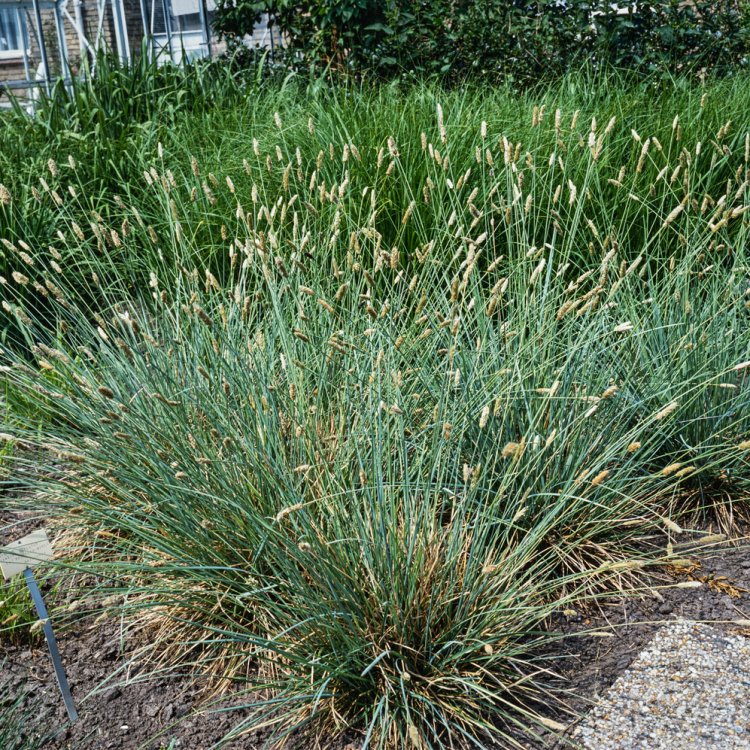
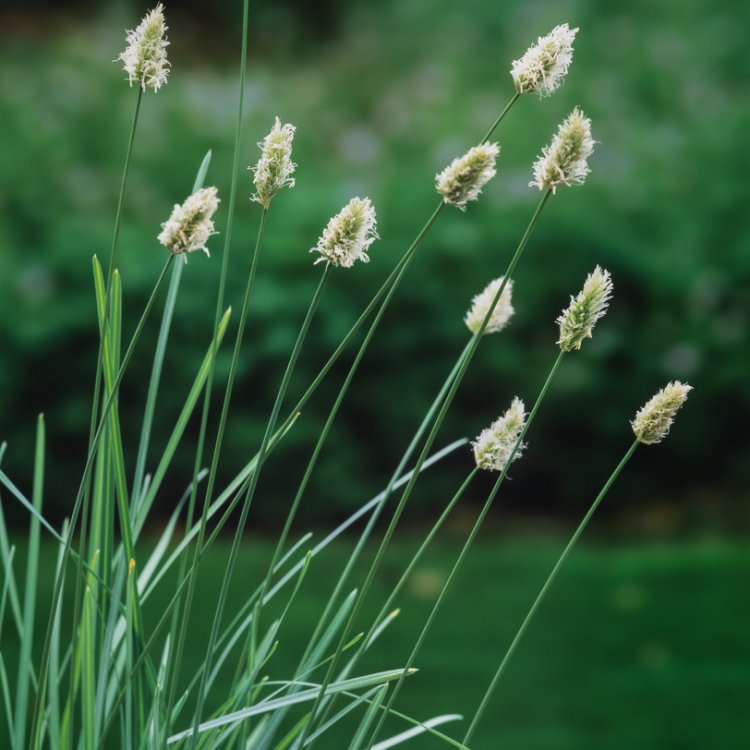
Sesleria nitida, Bright green moor grass, is an elegant evergreen ornamental grass. It offers year-round blue-green foliage and delicate silvery-white flowers in late spring. Hardy and low-maintenance, it suits UK borders, rockeries, or ground cover, providing timeless appeal.
77 in stock
Sesleria nitida, the popular Bright green moor grass, offers a refined texture and cool colour for UK gardens, bringing year-round interest.
Bright green moor grass, Sesleria nitida, is a truly delightful ornamental grass. Gardeners appreciate its elegant, evergreen foliage. It forms neat, compact tufts. This grass adds a calm, structured element to any planting scheme. Moreover, its fine texture brings gentle movement. It thrives in various conditions. This makes it a robust choice for many garden styles. You can enjoy its subtle beauty through all seasons.
This striking plant originates from the mountainous regions of Southern Europe, including the Alps and Balkans. The genus name ‘Sesleria’ honours Leonardo Sesler, an Italian botanist from the 18th century. Furthermore, ‘nitida’ is a Latin term meaning ‘shining’ or ‘bright’. This describes the often glossy or vibrant appearance of its foliage. The plant’s leaves are slender and a captivating blue-green colour. They maintain this appealing hue throughout the year, even in winter. This provides valuable evergreen structure.
In late spring, Sesleria nitida produces elegant, slender flower spikes. These bottlebrush-like blooms emerge silvery-white, adding a gentle sparkle. They stand proudly above the foliage. Consequently, they catch the light beautifully. The overall form of this grass is neat and mounding. It grows into tidy clumps. This natural shape makes it ideal for defined planting areas. The evergreen nature ensures continuous visual appeal in the garden.
Bright green moor grass offers excellent versatility for garden design. Gardeners often use it to edge borders, creating a crisp, defined line. It excels as ground cover when planted in groups, suppressing weeds effectively. Consider planting it in rock gardens or gravel gardens too. Its drought tolerance means it thrives in these drier spots. You can also feature Sesleria nitida in containers for a sophisticated touch. Its compact size makes it perfect for mass planting.
Caring for this hardy grass is straightforward. It requires minimal attention. You simply cut back any untidy or spent flower spikes in late winter. Similarly, trim away any old, brown foliage. This helps to keep the plant looking fresh and vibrant for the new season. Sesleria nitida is very robust. It tolerates a wide range of conditions. Therefore, it is a reliable choice for gardeners. While not a major nectar source, it still supports garden biodiversity by offering shelter and seeds.
Very hardy. Tolerates temperatures typical of a continental winter.
Sesleria nitida is a low-maintenance plant. Water regularly during its first growing season until established. Once mature, it is drought-tolerant. In late winter or early spring, cut back any untidy or spent flower spikes and old foliage to maintain a neat appearance and encourage fresh growth. No significant fertilising is typically required.