£6.95 – £7.67Price range: £6.95 through £7.67
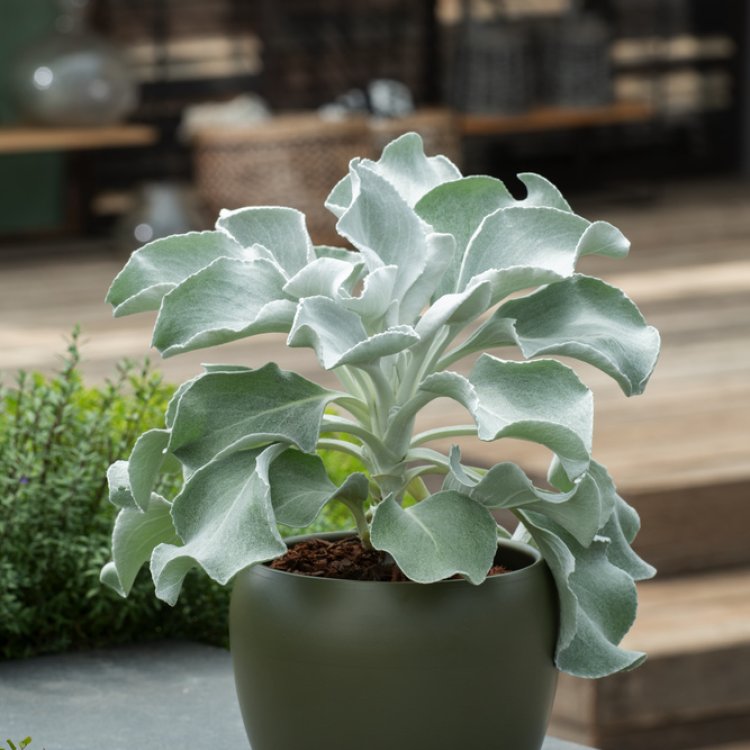
Senecio candicans Angel Wings offers stunning, velvety, silvery-white foliage, bringing exquisite elegance and texture to any UK garden. This captivating plant thrives in full sun, perfect for borders or containers, offering year-round visual appeal.
500 in stock
Adorn your garden with the captivating Senecio candicans Angel Wings, a truly distinctive plant renowned for its ethereal, silvery-white foliage.
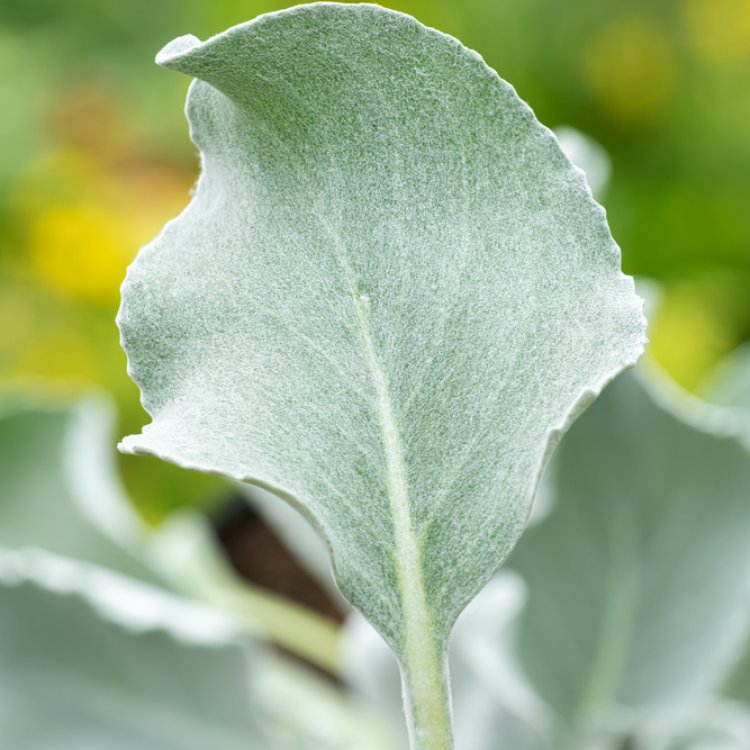
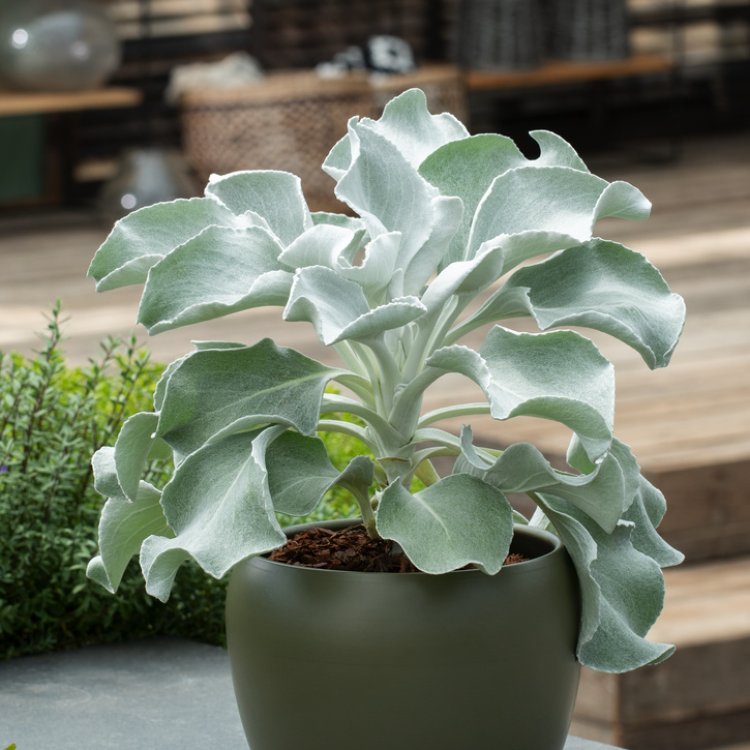
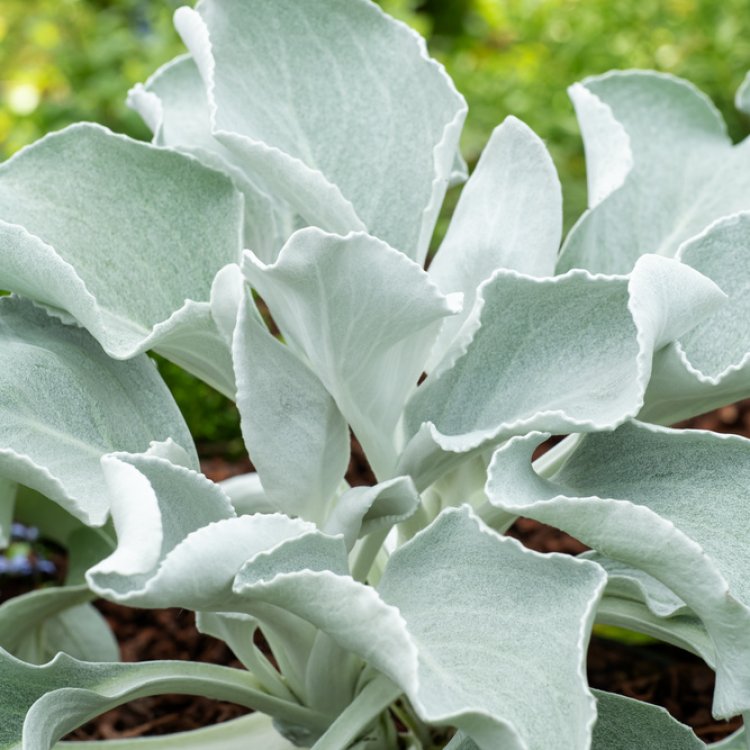
Senecio candicans Angel Wings brings exquisite elegance and texture to any outdoor space. This tender perennial is celebrated for its remarkably soft, velvety leaves that shimmer in the sunlight. Its unique appearance makes it a standout choice, offering a cool, calming presence. Gardeners across the UK increasingly embrace its striking visual appeal for various designs.
Senecio candicans ‘Angel Wings’ is a highly valued cultivar, famed for its unique foliage. It belongs to the broad Senecio genus. Its dramatic, ethereal look truly sets it apart. The name “candicans” translates to “white” or “hoary,” aptly describing its signature colour.
The cultivar ‘Angel Wings’ captures the essence of its large, wing-like leaves. These leaves possess a heavenly, downy texture. They shimmer with a luminous, silvery sheen, especially in bright sunlight.
Senecio candicans Angel Wings primarily showcases its incredible foliage. However, it does produce small, yellow, daisy-like flowers during summer. Many gardeners choose to pinch off these flower buds. This encourages the plant to produce more magnificent leaves.
Its evergreen foliage offers year-round interest in milder UK climates. It maintains its vibrant silver hue, providing sustained visual appeal.
This versatile plant excels in many garden settings. Its architectural form and brilliant colour make Senecio candicans Angel Wings outstanding for containers and patio pots. Plant it at the front of borders for a shimmering edge or a captivating focal point.
It integrates wonderfully into gravel gardens and rockeries, complementing drought-tolerant plants. Its robust nature means it performs well in coastal gardens, tolerating salt-laden air. The striking silver also provides a fantastic backdrop, enhancing surrounding colours.
Senecio candicans Angel Wings requires minimal pruning. You simply remove any yellowing or damaged leaves. If you wish to maintain a bushy shape and prioritise foliage, pinch out developing flower stalks. This intervention ensures the plant remains a spectacular display of its unique, silvery leaves.
Gardeners often remove the flowers to maximise foliage. However, if allowed to bloom, the small yellow flowers of Senecio candicans Angel Wings can offer nectar. This attracts passing bees and other small pollinating insects during summer. While not a primary magnet for wildlife, it contributes modestly to garden biodiversity.
Hardy in mild coastal and urban areas. May suffer in cold inland sites.
Water Senecio candicans Angel Wings regularly during dry spells, especially when grown in containers; however, established plants show good drought tolerance. Feed container-grown plants lightly during the growing season with a balanced liquid fertiliser. Minimal pruning is necessary; simply remove any yellowing or damaged leaves to maintain its pristine appearance. If you prefer to prioritise the striking foliage, pinch off developing flower stalks. In colder UK regions, consider providing winter protection by mulching around the base or moving potted specimens indoors to a frost-free environment.