£7.00 – £7.72Price range: £7.00 through £7.72
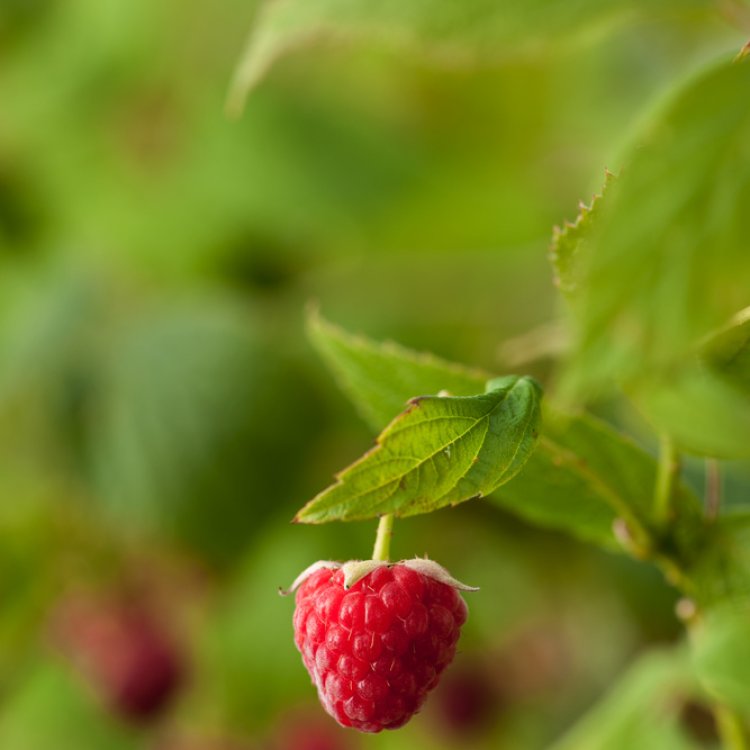
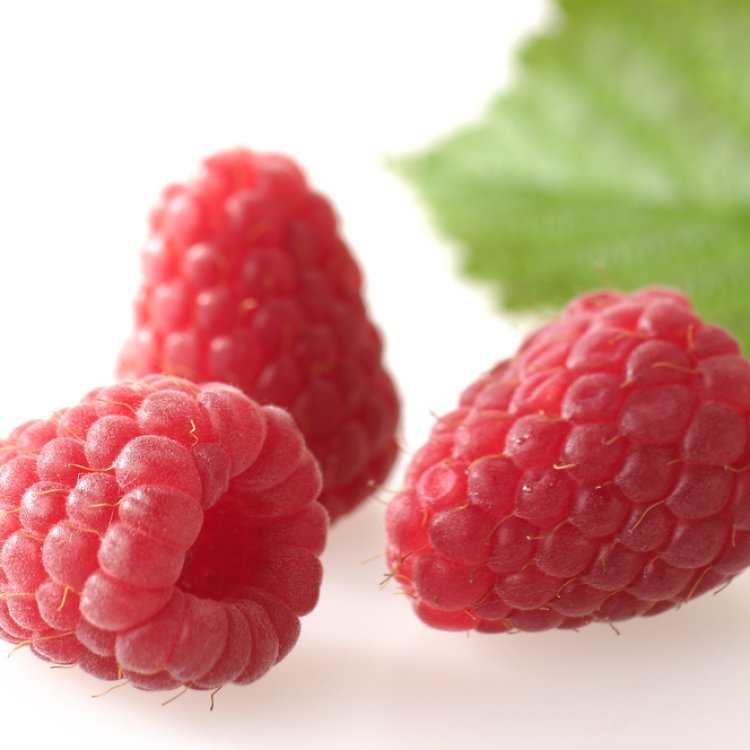
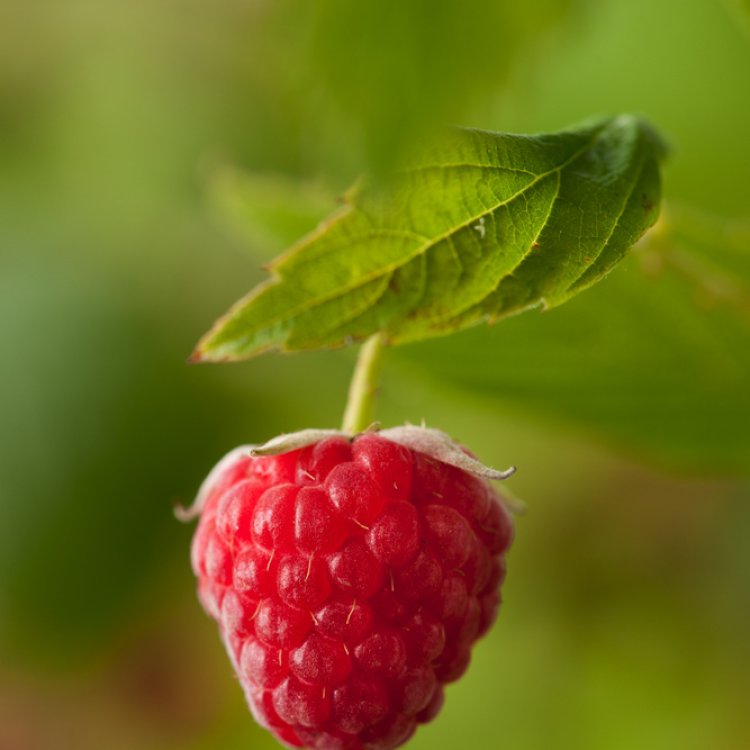
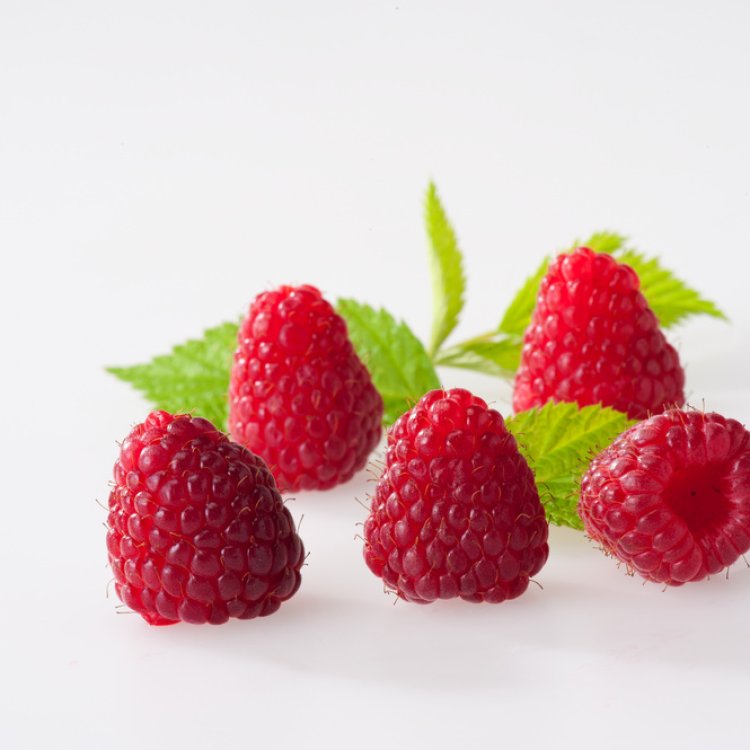
Rubus idaeus, the versatile garden raspberry, produces an abundance of sweet, juicy fruits. This deciduous shrub is easy to grow, offers charming seasonal foliage, and attracts pollinators, making it a delightful and productive addition to any UK garden.
158 in stock
Introduce Rubus idaeus, the classic garden raspberry. Cherished across the UK, it provides delicious, vitamin-rich fruit and offers straightforward cultivation.
Rubus idaeus, commonly known as the raspberry, is a beloved deciduous shrub. It originates from Europe and northern Asia. Gardeners throughout the United Kingdom embrace this robust plant for its anticipated summer or autumn harvest. Growing your own raspberries provides immense satisfaction. You get a continuous supply of sweet, versatile berries. These are perfect for eating fresh or using in various culinary delights. This productive plant offers both aesthetic appeal and a bountiful yield. It makes a fantastic addition to almost any garden setting.
The name Rubus idaeus has ancient roots. The genus name “Rubus” is Latin for bramble. This references its thorny stems. Furthermore, “idaeus” refers to Mount Ida in Turkey. This is where the plant was originally found.
This plant, often simply called the raspberry, has long been a staple in British gardens. This is due to its vigorous growth and rewarding harvests. It typically grows as a cane-producing shrub. New shoots develop each year from its perennial rootstock.
Rubus idaeus displays attractive, mid-green, pinnate leaves with serrated edges. These leaves offer pleasant texture and density throughout the growing season. As seasons change, foliage of many raspberry varieties can take on lovely autumnal tints. These appear before shedding.
In spring, the plant produces small, white to pale pink flowers. These modest blooms are incredibly important. They provide a vital nectar source for a variety of pollinators. Busy bees and graceful butterflies are especially drawn to them. Subsequently, these pollinated flowers develop into the iconic, edible fruit.
Gardeners use Rubus idaeus in numerous ways. They often plant it in dedicated fruit cages or as a productive hedge along a sunny border. Many people train raspberry canes against wires or trellises. This helps manage their growth. It also ensures easier harvesting. Furthermore, the thorny canes provide some deterrent. This makes them suitable for natural garden boundaries.
Pruning is an essential aspect of raspberry cultivation. It differs significantly between summer-fruiting and autumn-fruiting varieties. Typically, summer-fruiting types are pruned after harvest. Remove fruited canes at ground level. In contrast, autumn-fruiting raspberries are often cut back completely in late winter. This regular pruning encourages new growth. It maximises fruit production each year.
Beyond its delicious fruit, Rubus idaeus offers significant benefits to local wildlife. Its flowers are a magnet for bees. They are vital for pollination, and also attract various other beneficial insects. Later in the season, any unharvested berries provide a food source for birds and small mammals. This makes the raspberry a valuable component of an ecological garden.
Indeed, its combination of beauty, productivity, and wildlife support truly enriches any outdoor space. Rubus idaeus stands as a testament to nature’s bounty. It delivers joy and flavour year after year.
Very hardy. Tolerates temperatures typical of a continental winter.
Rubus idaeus, or raspberry, requires consistent care to thrive and produce a bountiful harvest. Plant in well-drained, fertile soil in a sunny position, ideally supported by a post and wire system. Water regularly, especially during dry spells and fruit development. Apply a balanced fertiliser in spring and mulch annually with well-rotted compost to suppress weeds and retain moisture. Pruning is crucial: for summer-fruiting varieties, cut back canes that have fruited to ground level immediately after harvest. For autumn-fruiting types, cut all canes to ground level in late winter. Regularly remove suckers that appear away from the main row to manage spread. Monitor for common pests like aphids and diseases such as cane blight, treating promptly if identified.
This plant is deciduous so it will lose all of its leaves in the autumn and get fresh new foliage each spring.