£7.00 – £7.72Price range: £7.00 through £7.72
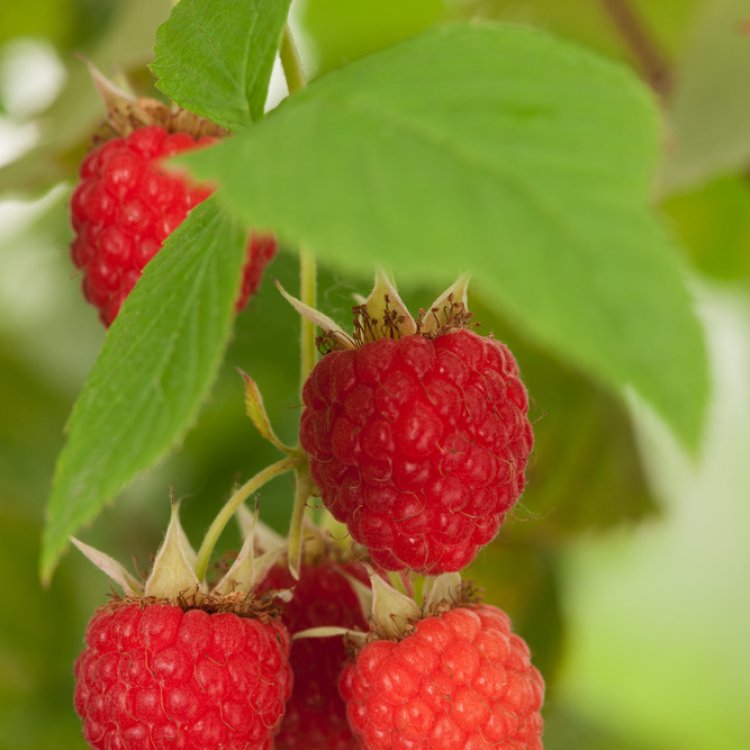
Rubus idaeus ‘Malling Promise’ is a superb summer-fruiting raspberry, yielding abundant crops of large, sweet, red berries from late June. This vigorous, UK-bred cultivar offers delicious homegrown fruit, perfect for eating fresh or preserving, and attracts pollinators.
284 in stock
Discover Rubus idaeus ‘Malling Promise’, a classic summer-fruiting raspberry, cherished for its robust growth and abundant harvest of sweet, early-season berries.
This superb cultivar, often known as ‘Malling Promise’ Raspberry, holds a special place in UK gardens. Gardeners cherish it for its reliable, prolific yields. It brings the joy of homegrown fruit directly to your kitchen. Its ease of cultivation makes it a superb choice. Both novice and experienced growers enjoy its delightful harvests season after season. It offers an excellent way to enjoy fresh, sweet berries throughout summer.
Rubus idaeus ‘Malling Promise’ is a renowned raspberry cultivar. It was bred in the UK at the prestigious East Malling Research Station in Kent. This station has a long history of superior fruit varieties. The ‘Malling’ prefix reflects this. ‘Promise’ refers to its consistent performance and reliable yield. It is a truly dependable garden choice. This popular summer-fruiting raspberry establishes itself quickly. It produces strong, upright canes.
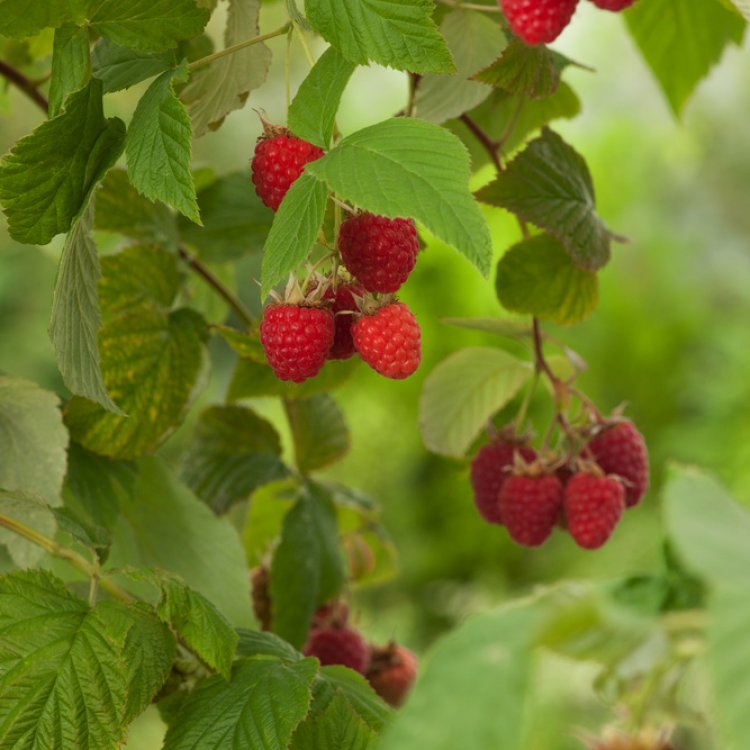
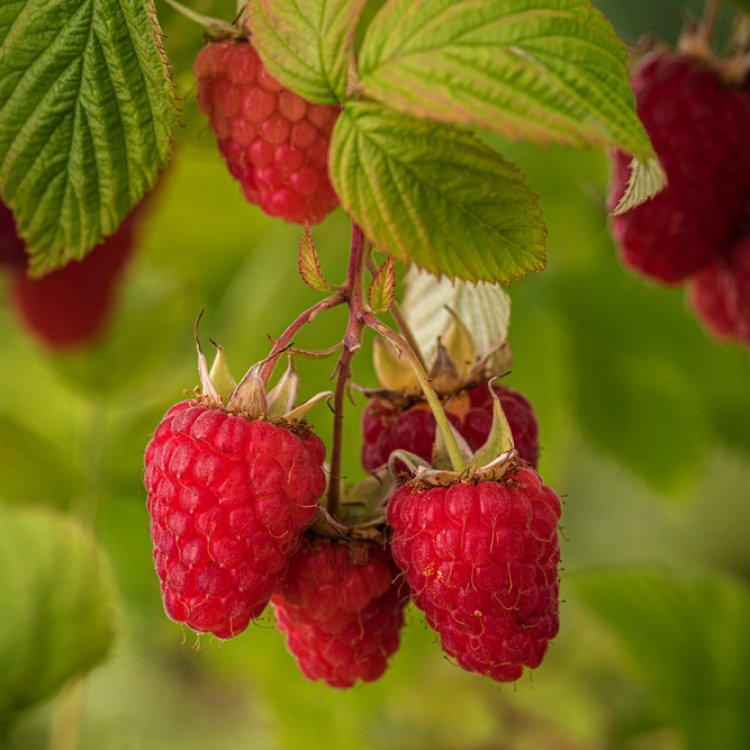
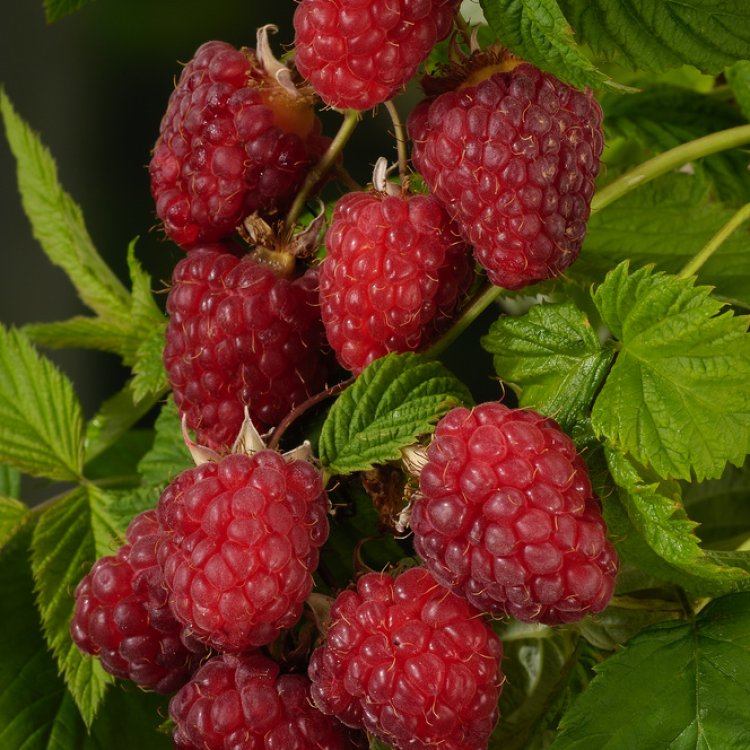
In late spring, Rubus idaeus ‘Malling Promise’ develops small, white flowers. These highly attract vital pollinators, especially bees. Bees visit them, ensuring excellent fruit set. Soon, flowers transform into large, conical berries. They ripen vibrant, glossy red. These raspberries offer sweet flavour and firm texture. They are superb for fresh eating, desserts, jams, or freezing.
The plant’s lush green, deeply serrated leaves remain attractive from spring until autumn. They eventually fall as part of its deciduous cycle. This raspberry variety thrives in various garden settings. Consider dedicated fruit cages, kitchen gardens, or informal rows. It performs excellently when trained against wires or a sturdy framework. This allows for organised growth and easier harvesting.
Rubus idaeus ‘Malling Promise’ is a floricane variety. This means it produces fruit on canes grown in the previous year. After the harvest concludes in late summer, prune out all canes that just fruited. This active management encourages new growth. It ensures a bountiful crop for the next year. This process maintains plant vigour.
Beyond delicious fruit, this raspberry cultivar helps garden biodiversity. Its early summer flowers provide essential nectar for bees and other flying insects. They aid crucial pollinating efforts. Consequently, a healthy patch of Rubus idaeus ‘Malling Promise’ becomes a buzzing hub. The ripe berries offer valuable food for various birds. This makes ‘Malling Promise’ a welcome addition.
Very hardy. Tolerates temperatures typical of a continental winter.
Rubus idaeus 'Malling Promise' requires a sturdy support system, such as wires between posts, for its vigorous canes. Water regularly, especially during dry spells and when fruits are developing, to ensure a good crop. Feed annually in spring with a balanced general-purpose fertiliser or well-rotted compost. Prune after harvesting: cut back all canes that have just fruited to ground level, leaving the new green canes to produce next year's crop. Thin new canes to 6-8 per plant to prevent overcrowding and ensure good air circulation.
This plant is deciduous so it will lose all of its leaves in the autumn and get fresh new foliage each spring.