£10.67 – £12.56Price range: £10.67 through £12.56
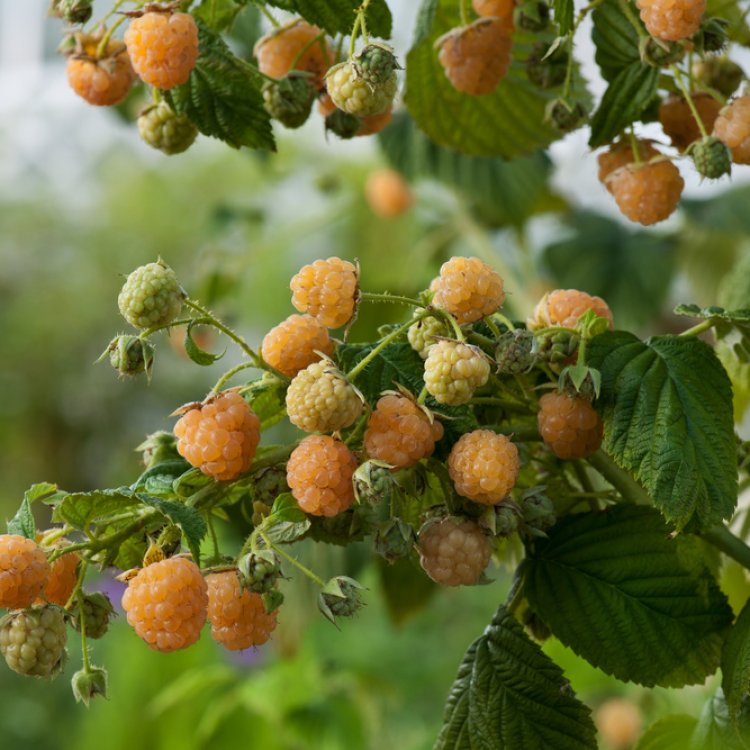
Grow Rubus idaeus ‘Golden Everest’ for delicious autumn-fruiting yellow raspberries. This unique cultivar offers sweet, tangy berries from late summer onwards, perfect for UK gardens. It provides both visual appeal and a rewarding harvest.
19 in stock
Discover Rubus idaeus ‘Golden Everest’, a distinctive autumn-fruiting raspberry cultivar offering bright yellow, sweet berries for delicious harvests in UK gardens.
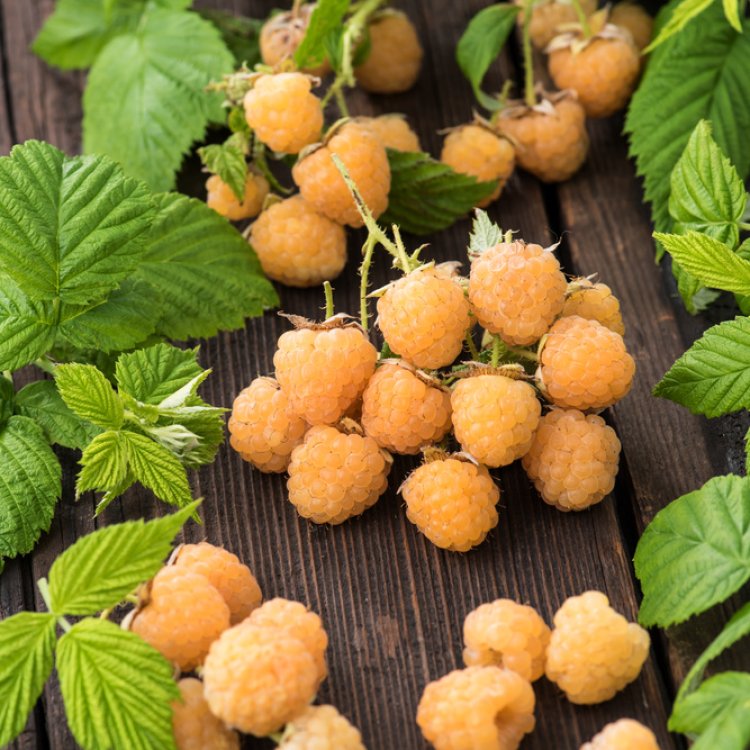
Rubus idaeus ‘Golden Everest’ is a truly delightful and rewarding addition to any UK garden, particularly for those who cherish home-grown fruit. This exceptional raspberry cultivar brings a unique visual appeal with its striking golden-yellow berries. Gardeners appreciate its robust nature and reliable fruiting. Furthermore, it offers a distinct flavour profile that is both sweet and subtly tangy. Cultivating ‘Golden Everest’ allows you to enjoy fresh, vibrant raspberries well into the autumn months. It is an ideal choice for both novice and experienced growers seeking an easy-to-manage, prolific plant.
This remarkable raspberry, also known simply as ‘Golden Everest’ raspberry, is a modern primocane variety. This means it fruits on canes grown in the current year. Gardeners across the UK value it for its dependable performance and unique colour. The name ‘Golden Everest’ aptly describes its golden berry colour and the abundant yields it provides. It consistently produces a plentiful crop of desirable fruit.
The foliage of Rubus idaeus ‘Golden Everest’ presents as fresh, mid-green leaves. These are typically lobed and slightly textured, providing a lush backdrop. During late spring to early summer, small, white, and often inconspicuous flowers appear along the canes. Bees and other beneficial pollinators visit these blooms, which leads to successful fruiting. By late summer and early autumn, the berries begin to ripen. They transform into an eye-catching, vibrant golden-yellow hue. Each berry offers a juicy texture and a wonderfully balanced, sweet taste.
This raspberry variety adapts well to many garden settings. You can grow it in dedicated fruit cages or as part of a mixed border, adding both beauty and productivity. It looks particularly attractive when planted alongside other berry bushes, creating a diverse edible landscape. ‘Golden Everest’ also thrives in large containers, making it suitable for patios, balconies, and smaller gardens. Its upright growth habit makes training relatively straightforward. The plant creates a lovely focal point when laden with its colourful, ripe fruit.
Pruning Rubus idaeus ‘Golden Everest’ is simple, ensuring healthy future crops. As an autumn-fruiting raspberry, you simply cut all the canes down to ground level in late winter. This encourages strong new growth each spring, ready for summer flowering. Furthermore, the ‘Golden Everest’ raspberry provides significant benefits to local wildlife. Its flowers attract vital pollinators, including various bee species, supporting ecosystem health. Birds also enjoy the sweet berries if they remain unharvested, adding further garden biodiversity.
Very hardy. Tolerates temperatures typical of a continental winter.
Plant Rubus idaeus 'Golden Everest' in fertile, well-drained soil in a sunny to partially sunny location. Provide sturdy support like wires or posts for its upright canes. Water regularly, especially during dry spells and when fruit is developing, ensuring the soil remains consistently moist but not waterlogged. Feed in early spring with a balanced general-purpose fertiliser. As an autumn-fruiting (primocane) raspberry, prune all canes back to ground level in late winter (February/March) each year. This promotes strong new growth for the coming season's crop. Watch for common raspberry pests and diseases, addressing issues promptly.
This plant is deciduous so it will lose all of its leaves in the autumn and get fresh new foliage each spring.