£4.27 – £4.99Price range: £4.27 through £4.99
Bring the timeless appeal of Rosmarinus officinalis (Rosemary) to your UK garden. This aromatic evergreen shrub offers year-round interest with fragrant foliage and charming blue flowers, perfect for culinary use and attracting bees.
1499 in stock
Discover Rosmarinus officinalis, a versatile evergreen shrub celebrated for its culinary prowess and delightful fragrance throughout UK gardens.
Rosmarinus officinalis, commonly known as Rosemary, holds a cherished place in British gardening. This resilient plant brings both beauty and utility to outdoor spaces. Gardeners value its robust nature. They love the distinct, pine-like aroma emanating from its needle-like leaves. Cultivated for centuries, Rosemary offers year-round interest. It proves an indispensable addition to many garden designs across the UK. This plant thrives in various settings.
This beloved plant, Rosmarinus officinalis, is a member of the mint family, Lamiaceae. Its name comes from Latin. It translates to “dew of the sea.” This likely refers to its native coastal Mediterranean habitat. The species epithet ‘officinalis’ highlights its historical use in medicine and cooking. Gardeners appreciate Rosemary for its distinct texture and structure. It often grows as a woody, bushy shrub. It lends a Mediterranean feel to garden borders and herb patches.
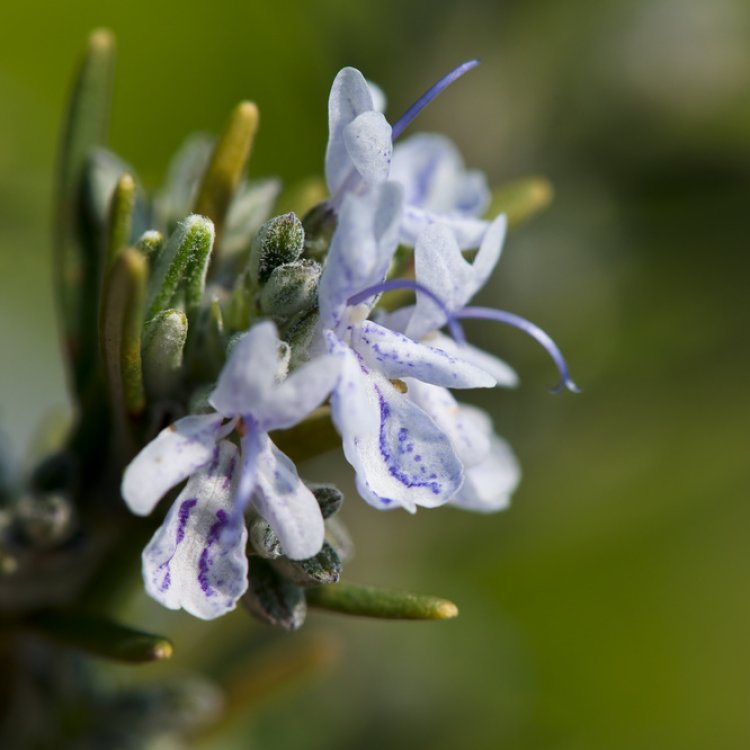
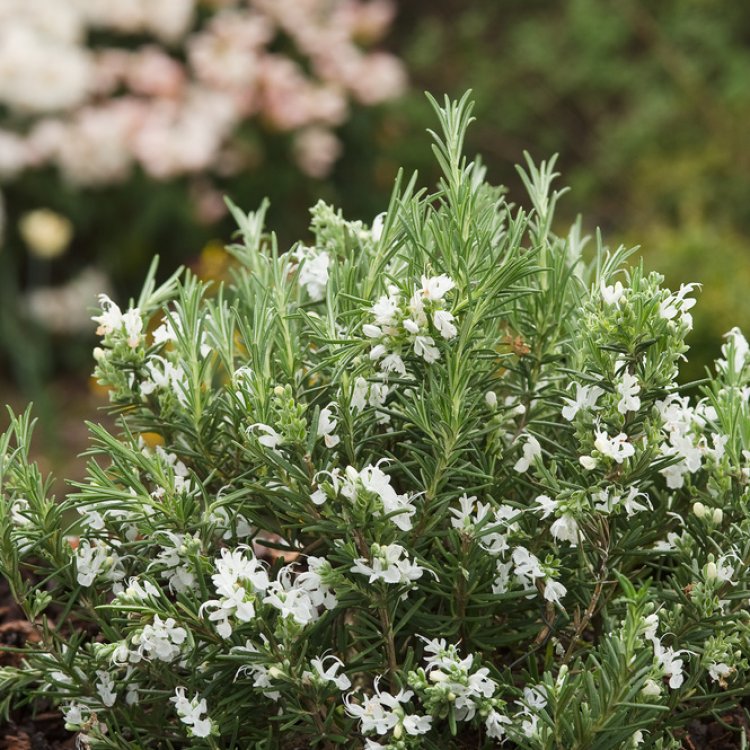
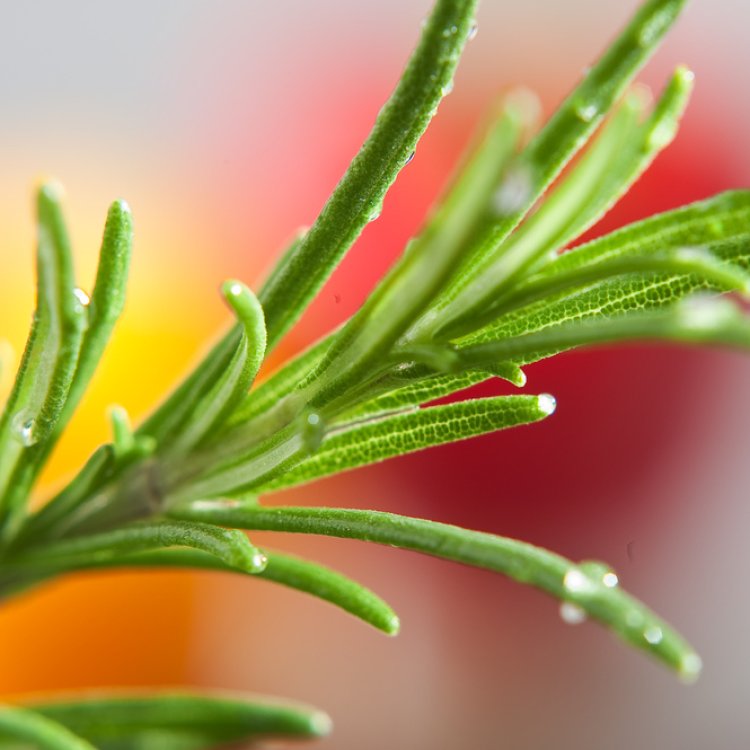
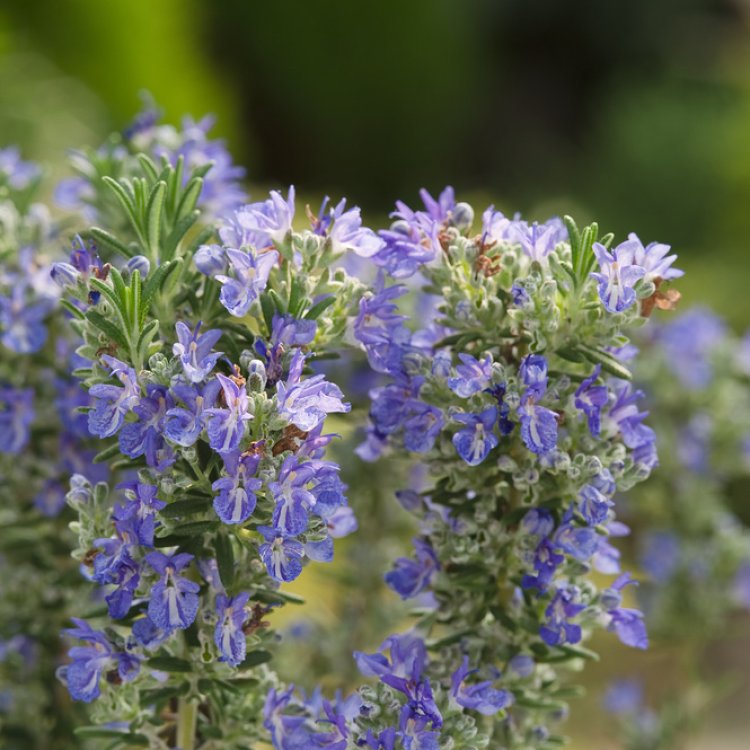
Rosmarinus officinalis boasts slender, needle-like leaves. These are dark green on top with a silvery-white underside. Leaves release a powerful, invigorating fragrance when brushed or crushed. Small, delicate flowers typically appear from late winter through spring. They often continue into early summer in the UK. These charming blooms are usually a soft blue, though some varieties feature pink or white flowers.
Importantly, these flowers are a magnet for local wildlife. Bees especially adore their nectar. This makes Rosemary a fantastic choice for supporting garden biodiversity.
Plant Rosmarinus officinalis in well-drained soil. Choose a sunny spot for best results. It tolerates coastal conditions well. It also handles periods of dry weather. This reflects its Mediterranean origins. This adaptable shrub forms excellent low hedges. They are perfect for defining garden rooms or edging paths. Many gardeners also shape Rosemary into attractive topiary forms. This adds elegance to patios or formal beds. Pruning is beneficial after flowering. This helps maintain a compact shape. It encourages new, aromatic growth.
As an evergreen, Rosmarinus officinalis provides continuous visual interest throughout the year. Its hardy nature allows it to withstand typical British winters. Good drainage is essential. The enduring appeal of Rosemary, with its aromatic foliage and early spring flowers, makes it a valuable addition to any UK garden. It is a long-lasting plant. It truly embodies both beauty and practicality. It serves as a reliable and fragrant presence.
Hardy across most of the UK except particularly exposed or cold regions.
Water sparingly once established, as Rosmarinus officinalis prefers drier conditions. Protect young plants from severe winter frosts. Prune lightly after flowering to maintain shape and encourage dense growth, removing any dead or damaged stems. Avoid heavy pruning into old wood.