£15.08 – £17.44Price range: £15.08 through £17.44
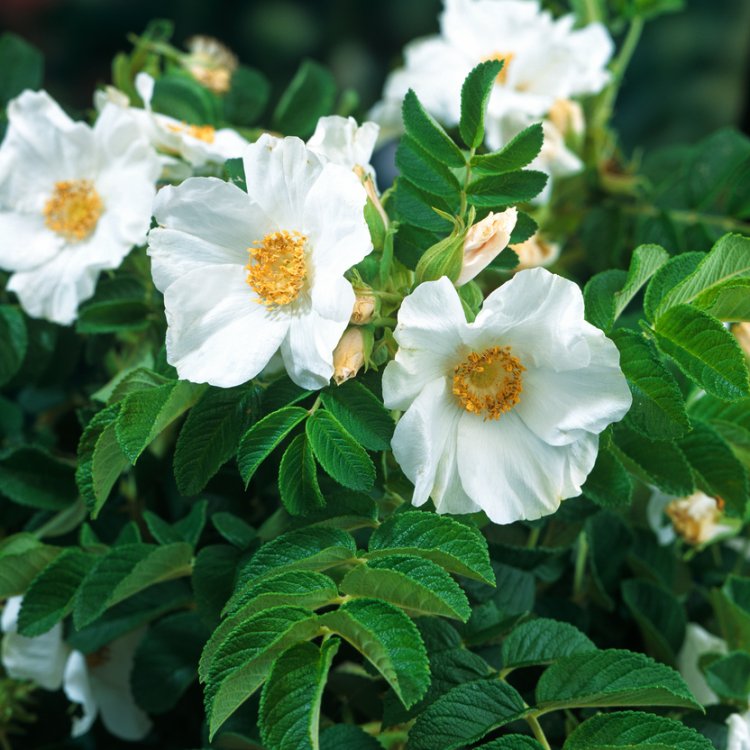
Rosa rugosa ‘Alba’ is a robust, hardy rose, gracing UK gardens with fragrant, pristine white flowers from early summer to autumn. It produces vibrant red hips and distinctive wrinkled foliage, providing continuous interest and supporting local wildlife.
275 in stock
Rosa rugosa ‘Alba’ is a beautiful and robust rose, celebrated for its pristine white flowers and remarkable hardiness in UK gardens.
This resilient shrub rose thrives in diverse conditions, making it an excellent choice for many garden styles. Furthermore, its fragrant blooms and vibrant hips add continuous seasonal interest. Gardeners across the UK value the White Rugosa Rose for its ease of care and adaptability. It forms an attractive display, enhancing borders or creating effective hedges.
Rosa rugosa ‘Alba’ belongs to the species Rosa rugosa, commonly known as the Rugosa Rose. This particular cultivar stands out with its pure white, single flowers. The species itself originates from East Asia, specifically coastal regions, where it developed its exceptional tolerance to salt and challenging conditions. Consequently, it performs outstandingly in exposed UK gardens.
The name ‘Rosa rugosa’ comes from the Latin ‘rugosus’, meaning wrinkled, which accurately describes its distinctive foliage. ‘Alba’ is also Latin, simply meaning white, referring to its elegant flower colour. These names reflect the plant’s unique appearance.
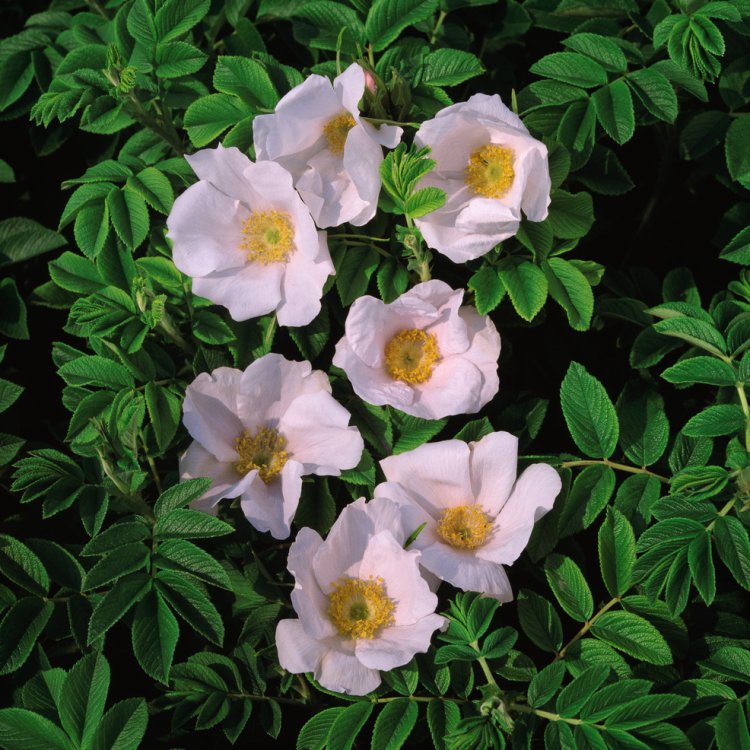
From early summer right through to autumn, Rosa rugosa ‘Alba’ displays a profusion of beautiful, single white flowers. Each bloom features a central boss of bright yellow stamens, creating a striking contrast. Furthermore, these flowers release a sweet, captivating fragrance, enriching the garden air. Bees and other pollinators are readily drawn to these open blooms.
The foliage is equally attractive. Its glossy, dark green leaves have a deeply wrinkled, leathery texture. In autumn, this foliage transforms into lovely shades of yellow and orange before falling. This provides a vibrant display later in the season.
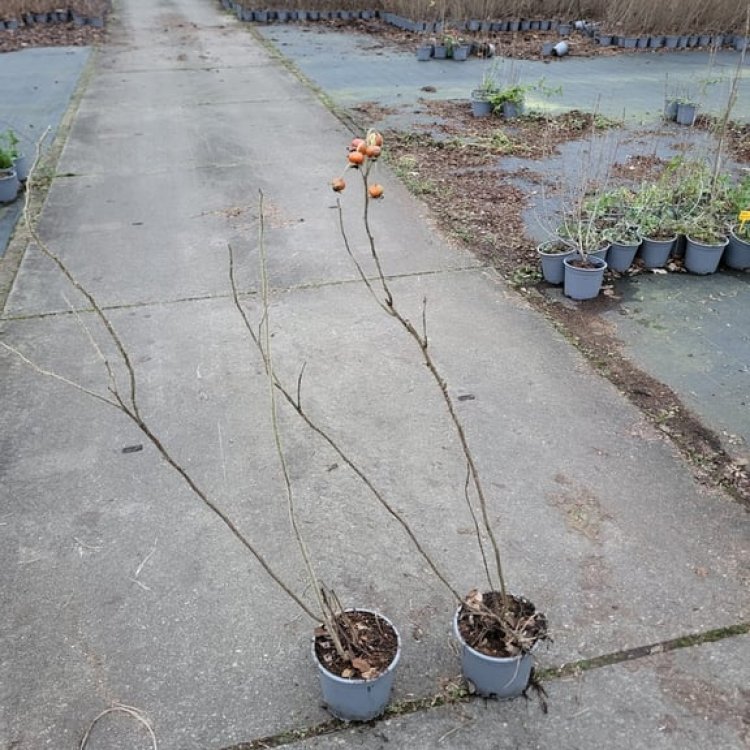
After the flowers fade, large, tomato-like hips develop. These bright red, fleshy fruits are not only highly ornamental but also edible. Birds, especially, cherish these hips, providing vital food during winter months.
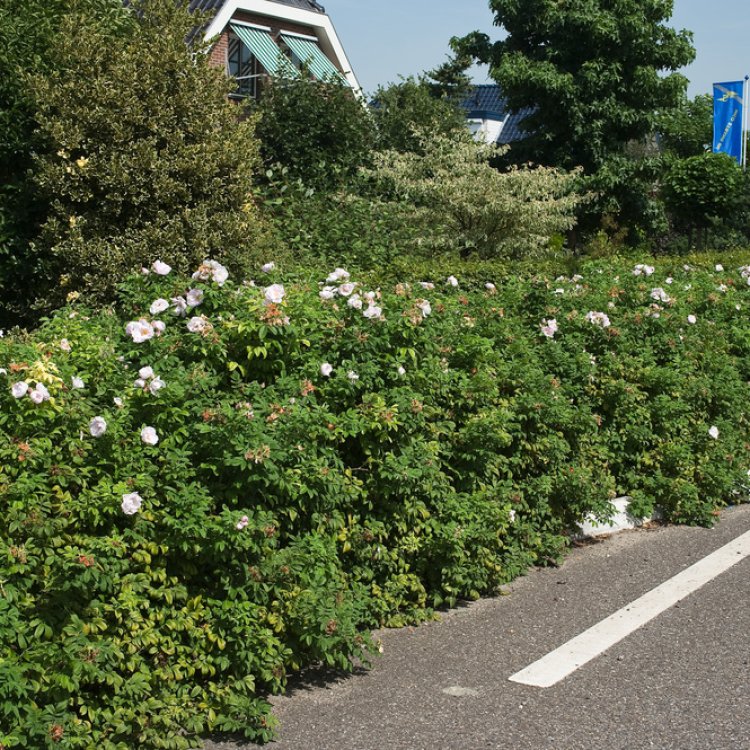
Rosa rugosa ‘Alba’ proves incredibly versatile in the garden. For example, gardeners often use it to create informal hedges. Its dense, thorny growth offers excellent security and shelter. Moreover, it makes a superb specimen shrub in mixed borders, providing structure and continuous bloom.
Due to its robust nature, this White Rugosa Rose is perfectly suited for coastal areas where many other plants struggle. It tolerates salty air and sandy soils remarkably well. Furthermore, its wildlife-friendly attributes make it an essential addition to any ecological garden scheme. It needs minimal intervention to thrive, offering long-lasting appeal.
While Rosa rugosa ‘Alba’ naturally maintains an attractive shape, some pruning can be beneficial. Gardeners typically undertake this in late winter or early spring. This involves removing any dead, damaged, or crossing branches. Additionally, thinning out older, congested stems encourages vigorous new growth and better air circulation. Harder pruning can also rejuvenate an older plant, promoting a fresh flush of blooms.
This remarkable plant acts as a genuine magnet for wildlife. The open, nectar-rich flowers provide an essential food source for bees and other pollinating insects throughout the summer. Consequently, it greatly supports local biodiversity. Later in the year, the abundant, colourful hips offer crucial sustenance for garden birds when other food sources become scarce. Incorporating the White Rugosa Rose into your garden truly helps nature thrive.
Hardy in the harshest UK conditions and below. Suitable for mountain regions.
Water regularly during the establishment phase. Apply a general rose fertiliser in spring for optimal growth and flowering. Prune in late winter or early spring by removing any dead, damaged, or crossing branches. Thin out congested stems to improve air circulation and encourage new growth. Older, overgrown plants can be hard pruned to rejuvenate them. Generally resistant to common rose diseases and tolerates a wide range of conditions, including coastal exposure.
This plant is deciduous so it will lose all of its leaves in the autumn and get fresh new foliage each spring.