£7.70 – £8.41Price range: £7.70 through £8.41
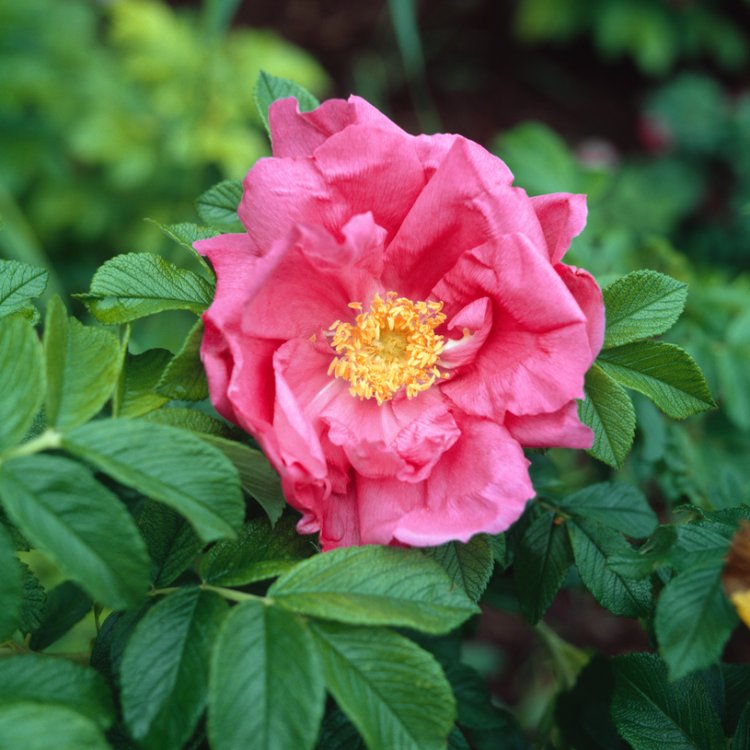
Rosa (R) ‘Moje Hammarberg’ is a hardy Rugosa Rose featuring fragrant, deep pink-purple flowers that attract bees. It boasts glossy, disease-resistant foliage and produces decorative red hips, offering long-lasting garden interest.
95 in stock
Discover the enchanting Rosa (R) ‘Moje Hammarberg’, a robust and beautiful Rugosa Rose, perfect for adding fragrance and vibrant colour to UK gardens.
Rosa (R) ‘Moje Hammarberg’ presents an irresistible charm. It boasts lush, crinkled foliage and fragrant, semi-double flowers. This outstanding Rugosa Rose thrives in various conditions. It is a versatile choice for many garden styles across the United Kingdom. Gardeners value its resilience and generous blooming. It provides continuous interest from summer through autumn. This rose truly enhances any outdoor space.
Rosa (R) ‘Moje Hammarberg’ is a magnificent member of the Rugosa rose family. This particular cultivar originates from Sweden. Its name honours a Swedish plantswoman, indicating its heritage. It forms a vigorous, upright shrub, reaching around 1.5 metres tall and wide. Furthermore, its dense habit creates an excellent screen or barrier.
During summer, this rose bursts into life. It produces a profusion of deep pink to purple, semi-double flowers. Each bloom carries a strong, sweet fragrance. Flowering often continues sporadically into autumn. As petals fade, large, tomato-like red hips develop. These persist into winter, providing striking seasonal colour.
The foliage also contributes significantly to its appeal. Dark green, glossy, and distinctly crinkled, the leaves offer a rich backdrop. Importantly, Rugosa roses like Rosa (R) ‘Moje Hammarberg’ are known for their superb resistance to common rose diseases.
Gardeners often select this robust rose for various uses. It creates a beautiful, informal hedge, defining garden spaces with ease. Additionally, it shines as a specimen plant in a mixed border. Its tolerance of coastal conditions makes it a superb choice for exposed gardens.
This rose is exceptionally beneficial for wildlife. Bees and other insects frequent its fragrant flowers, collecting nectar and pollen. Later, birds enjoy the nutritious red hips, especially during colder months. The dense growth also provides shelter for small garden creatures.
Rosa (R) ‘Moje Hammarberg’ requires little ongoing attention. Pruning is generally light. Gardeners remove any dead or weak stems in late winter or early spring. You can also trim the plant to maintain a desired shape or size. This simple routine keeps the shrub healthy and ensures abundant flowering and fruiting each year. Thus, it remains a low-maintenance yet highly rewarding garden plant.
Hardy in the harshest UK conditions and below. Suitable for mountain regions.
Rosa (R) 'Moje Hammarberg' is a low-maintenance rose. Plant in well-drained soil in full sun to partial shade. Water regularly during dry spells, especially in the first year after planting. Apply a balanced fertiliser in spring. Pruning is minimal; remove dead, diseased, or crossing stems in late winter or early spring. You can also lightly prune to maintain shape and size. Deadheading is not essential, particularly if you wish for hips to form, as these provide autumn and winter interest. Mulch around the base in spring to retain moisture and suppress weeds.
This plant is deciduous so it will lose all of its leaves in the autumn and get fresh new foliage each spring.