£7.83 – £8.55Price range: £7.83 through £8.55
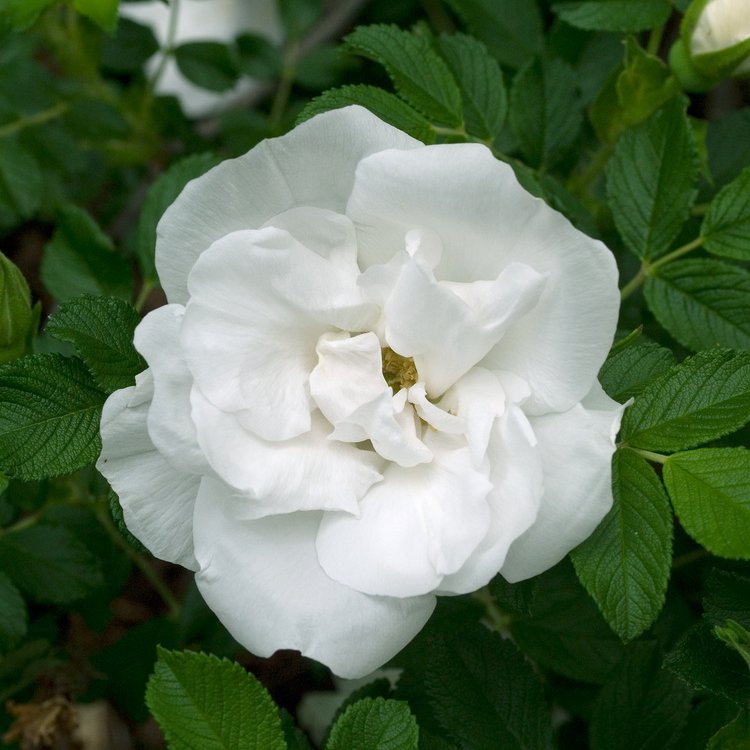
Rosa (R) ‘Blanc Double de Coubert’ is a classic Hybrid Perpetual rose with exquisite pure white, intensely fragrant, double blooms. It flowers repeatedly, bringing timeless elegance and an intoxicating scent to any UK garden.
1557 in stock
Discover the timeless charm of Rosa (R) ‘Blanc Double de Coubert’, an exquisite Hybrid Perpetual rose known for its pure white, intensely fragrant blooms.
Rosa (R) ‘Blanc Double de Coubert’ brings classic elegance to any UK garden. This beautiful rose offers a piece of garden history. Introduced in 1892, it captivates with pristine flowers and a rich fragrance. It is a wonderful choice for those seeking a hardy, repeat-flowering variety. Its vigorous growth ensures a stunning display each season. (73 words)
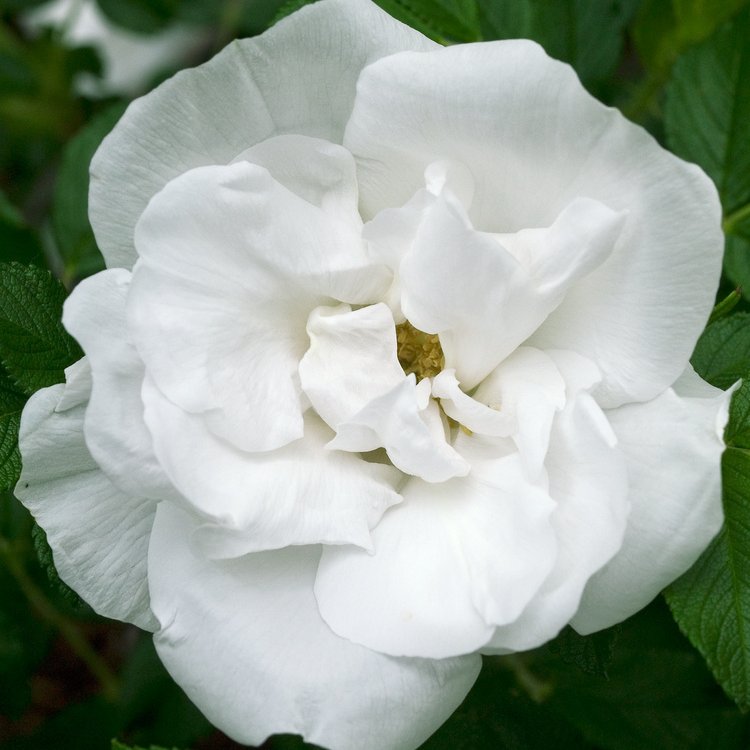
The esteemed Rosa (R) ‘Blanc Double de Coubert’ is a magnificent Hybrid Perpetual rose. Pierre Cochet introduced this variety in France in 1892. Its name, ‘White Double de Coubert’, perfectly describes its most striking feature. This rose produces an abundance of exquisite, fully double flowers. They often display a charming quartered appearance. (57 words)
Each bloom is a pristine, pure white, often with a subtle creamy centre. This creates an elegant display. Furthermore, the petals have a delightful crinkled texture, adding depth to their beauty. (39 words)
One of the most celebrated attributes of Rosa (R) ‘Blanc Double de Coubert’ is its intoxicating fragrance. It boasts an exceptionally strong, sweet ‘old rose’ scent. This readily fills the air, particularly on warm summer evenings. Therefore, it is perfect for planting near seating areas or pathways where its perfume can be appreciated. The rich aroma contributes to its timeless appeal. (70 words)
This vigorous shrub develops a dense, bushy habit. It typically reaches heights of up to 2 metres with a spread of 1.5 metres. The foliage comprises mid-green leaves, which often demonstrate good resistance to common rose diseases. New shoots emerge with a reddish tint, adding visual interest. Its robust nature means it establishes well in many UK garden conditions. (70 words)
Rosa (R) ‘Blanc Double de Coubert’ offers versatility for various garden designs. You can utilise it as an impressive specimen plant, allowing its beauty to shine as a focal point. Additionally, it forms an effective, fragrant hedge. It also incorporates well into mixed borders, providing vertical interest. (60 words)
Its blooms allow access for beneficial insects. Bees and other pollinators are attracted to its abundant flowers. This enhances your garden’s biodiversity. (29 words)
Like many Hybrid Perpetuals, Rosa (R) ‘Blanc Double de Coubert’ benefits from regular pruning. Pruning helps maintain its shape. It promotes vigorous new growth. This encourages a generous repeat flowering display. Late winter or early spring is best for its main prune. (59 words)
Throughout the flowering season, simply deadhead spent blooms. This will encourage further waves of its glorious white flowers, extending its period of interest into autumn. (32 words)
Very hardy. Tolerates temperatures typical of a continental winter.
Ensure regular watering, particularly during dry spells and when establishing. Feed in spring and mid-summer to support vigorous growth and flowering. Prune in late winter or early spring to maintain shape and encourage new blooms. Deadhead spent flowers to promote repeat flowering.
This plant is deciduous so it will lose all of its leaves in the autumn and get fresh new foliage each spring.