£7.15 – £7.85Price range: £7.15 through £7.85
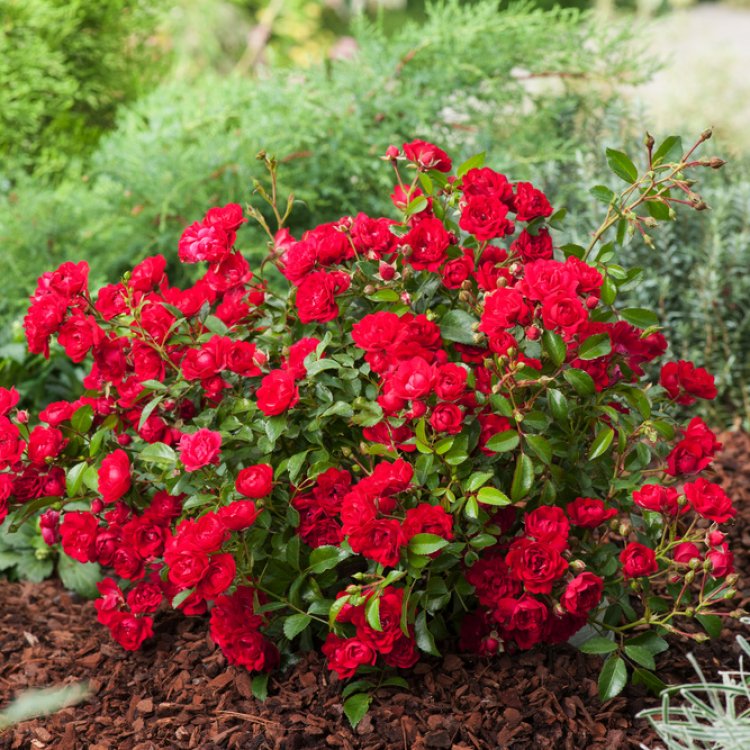
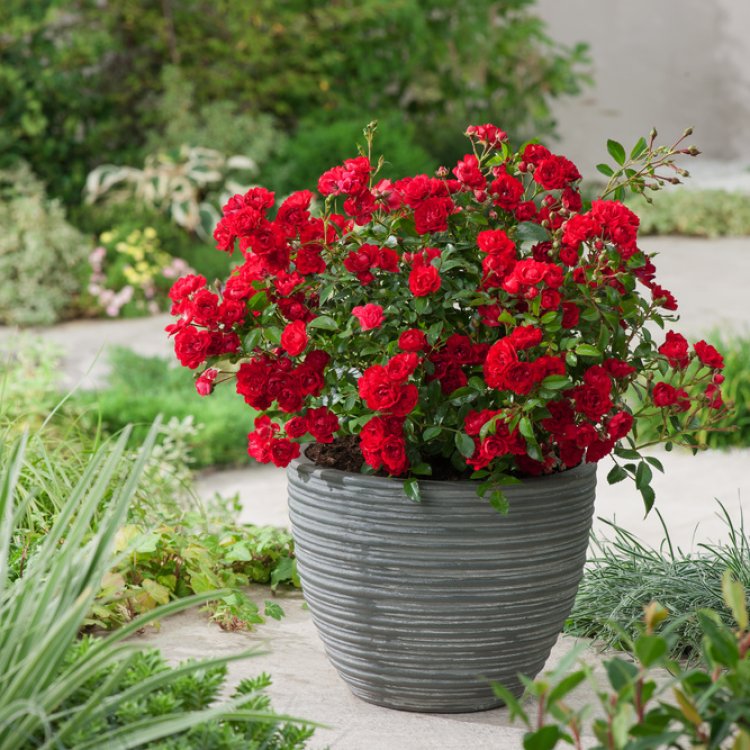
Rosa (PA) Fairy King offers vibrant deep pink/red double blooms from early summer to autumn. This delightful miniature rose is perfect for containers, rockeries, or front borders, bringing continuous colour and charm to UK gardens.
300 in stock
Discover Rosa (PA) Fairy King, a captivating miniature rose, perfect for adding vibrant colour and delicate charm to any UK garden space.
This delightful Polyantha rose is a true gem for British gardens. It offers an abundance of deep pink to reddish blooms. Its compact, bushy habit makes it incredibly versatile. It suits many planting schemes. Rosa (PA) Fairy King thrives in containers, along borders, or as effective ground cover.
Gardeners appreciate its continuous display of flowers from early summer through to the first frosts of autumn. This miniature ‘Rose’ provides consistent beauty and elegance without demanding much space.
The Rosa (PA) Fairy King plant stands out as a charming miniature Polyantha rose. This classification, ‘PA’, means it produces numerous small flowers in clusters. The name “Fairy King” aptly describes its petite yet regal appearance, bringing a magical touch. This modern shrub rose cultivar was bred for robust health and abundant flowering. British gardeners choose it for reliability.
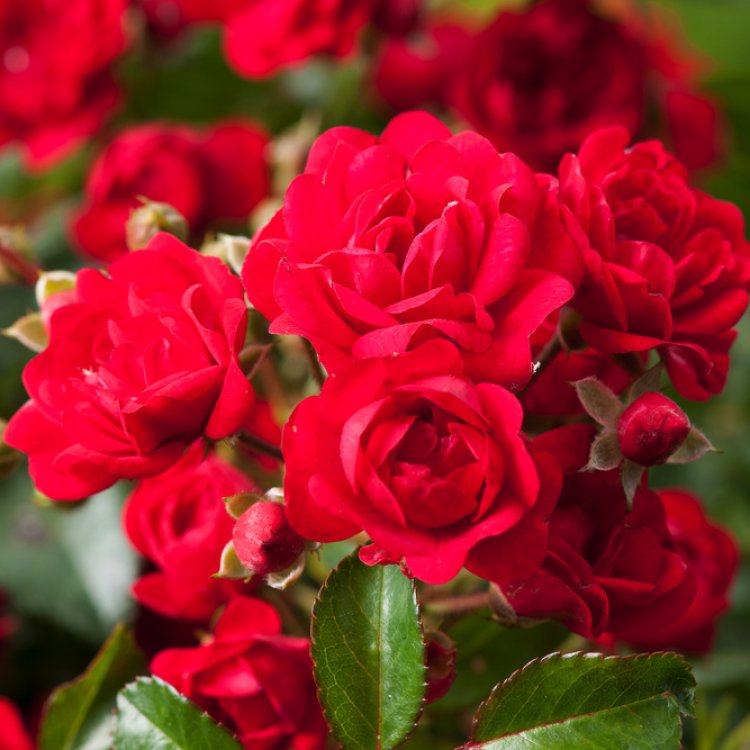
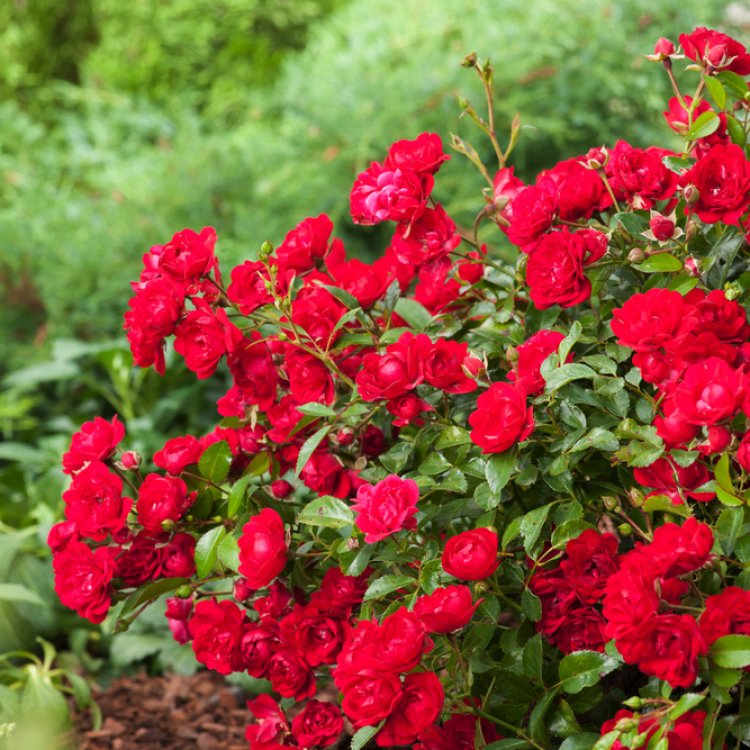
From early June, this rose bursts into life with a spectacular show of deep pink to reddish flowers. These blooms are small, yet fully double, creating rich texture. They appear in generous clusters, adorning the plant repeatedly through the season. Flowering continues until the first hard frosts. This long display ensures sustained visual interest.
Its foliage provides a wonderful backdrop. Leaves are small, glossy, and a deep, healthy green. They create dense, attractive cover. This combination of vibrant flowers and lush leaves gives the Rosa (PA) Fairy King its distinctive appeal.
The compact size and spreading habit of Rosa (PA) Fairy King make it exceptionally versatile. Use it to edge borders, creating a neat and colourful front. Many gardeners plant it in patio containers for close-up enjoyment. It also performs brilliantly in rockeries, spilling gracefully over stones.
Moreover, its dense growth makes it an effective ground cover. When planted in groups, it forms a colourful carpet. This suppresses weeds and adds uniform beauty. Its adaptability suits many garden styles and sizes.
Rosa (PA) Fairy King also supports garden wildlife. Despite its double flowers, the numerous blooms still offer nectar and pollen. They attract bees and butterflies, contributing to the garden’s ecosystem. Providing these vital resources helps local insect populations thrive.
To maintain its neat form and encourage new blooms, a light annual prune is beneficial. Remove spent flowers regularly; this simple act promotes further flowering. It keeps the plant tidy. This ensures a consistent, vibrant display throughout its long season.
Very hardy. Tolerates temperatures typical of a continental winter.
Water regularly, especially during dry spells and establishment. Feed during the growing season. Deadhead spent blooms to encourage more flowers. Prune lightly in late winter/early spring to maintain shape and remove dead wood. Provide good air circulation to help prevent fungal diseases.
This plant is deciduous so it will lose all of its leaves in the autumn and get fresh new foliage each spring.