£6.53 – £7.24Price range: £6.53 through £7.24
Rosa (P) ‘The Fairy’ is a delightful polyantha rose, perfect for UK gardens. It produces abundant clusters of shell-pink flowers from summer well into autumn. This low-maintenance, spreading rose is excellent for ground cover, borders, and attracting pollinators.
26 in stock
Discover Rosa (P) ‘The Fairy’, a charming polyantha rose. It brings abundant, soft pink blooms to UK gardens from early summer into autumn.
Rosa (P) ‘The Fairy’ is a much-loved shrub rose. It offers delicate beauty and great strength. This captivating cultivar came from England, bred by Bentall in 1932. It grows into a dense, bushy plant. This makes it a fine choice for many garden spots. Gardeners across the British Isles value ‘The Fairy’ for its steady flower show and easy care.
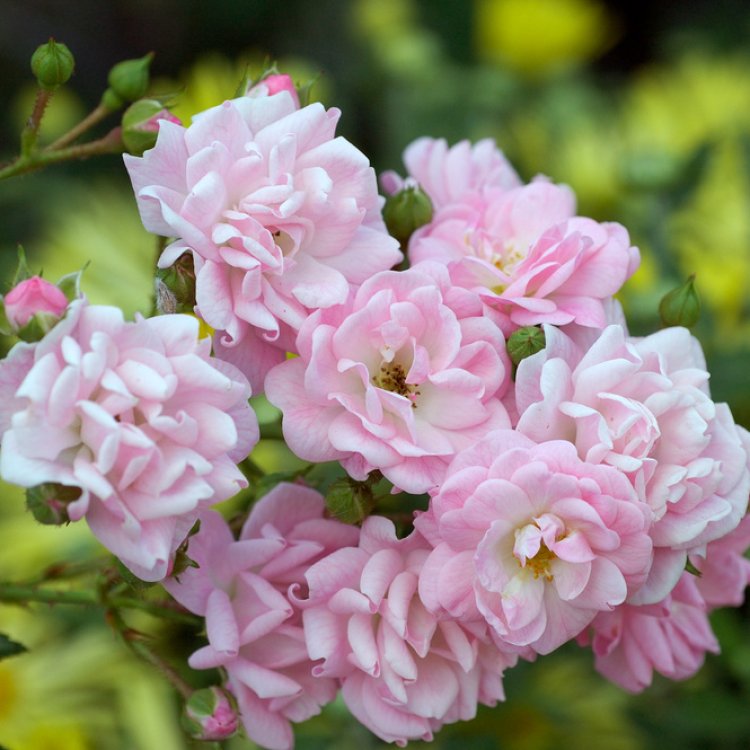
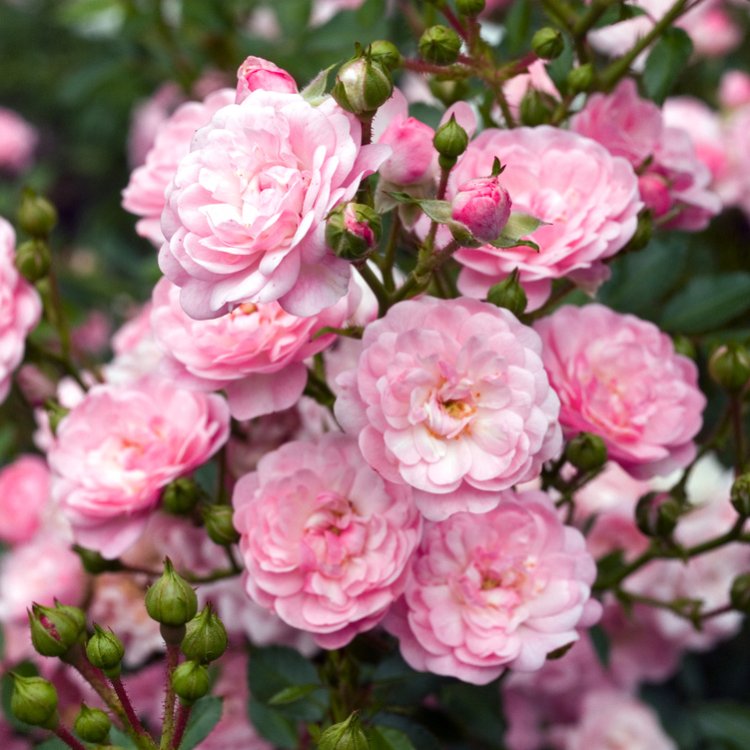
This delightful rose truly lives up to its name, ‘The Fairy’. It offers an enchanting show of blooms. Each small flower, typically under an inch wide, has many petals. This creates a fully double look. They appear in large, airy clusters. Often, these blooms are so plentiful they hide the leaves.
The soft shell-pink colour gives a gentle splash of vibrancy. It blends well with other plants in your garden. Furthermore, its continuous flowering brings long-lasting appeal, a truly great garden trait.
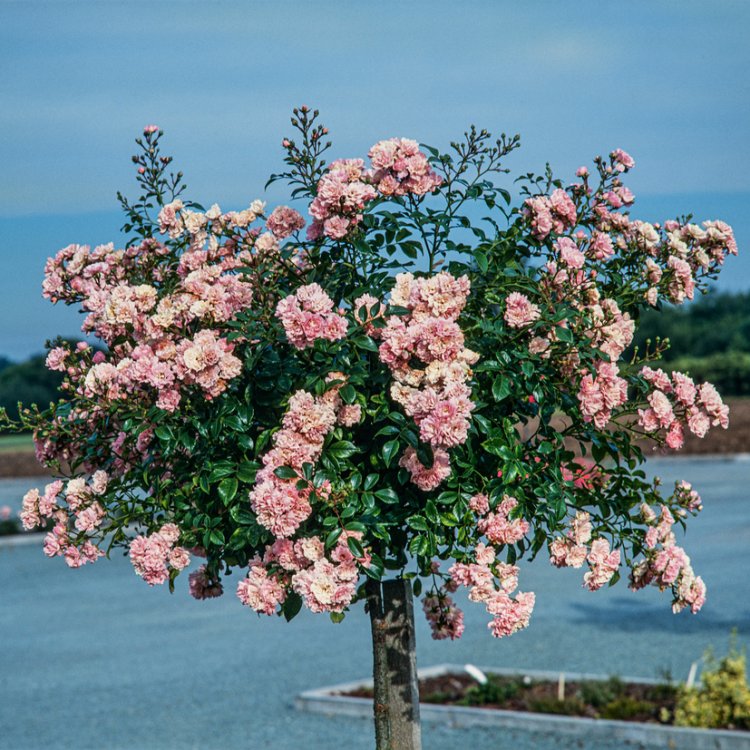
Rosa (P) ‘The Fairy’ provides a strong base of small, glossy, dark green leaves. This attractive foliage forms a thick mat. It effectively keeps weeds down. The plant grows with a natural spreading, bushy form. It is often wider than it is tall.
This trait makes it very useful, especially for areas needing good ground cover. Its branches can gently spill over edges, adding grace to any design.
In UK gardens, ‘The Fairy’ rose provides many design options. It works well to soften the front of a border, making a lovely, informal edge. Its spreading habit means it excels as ground cover, filling gaps and adding texture.
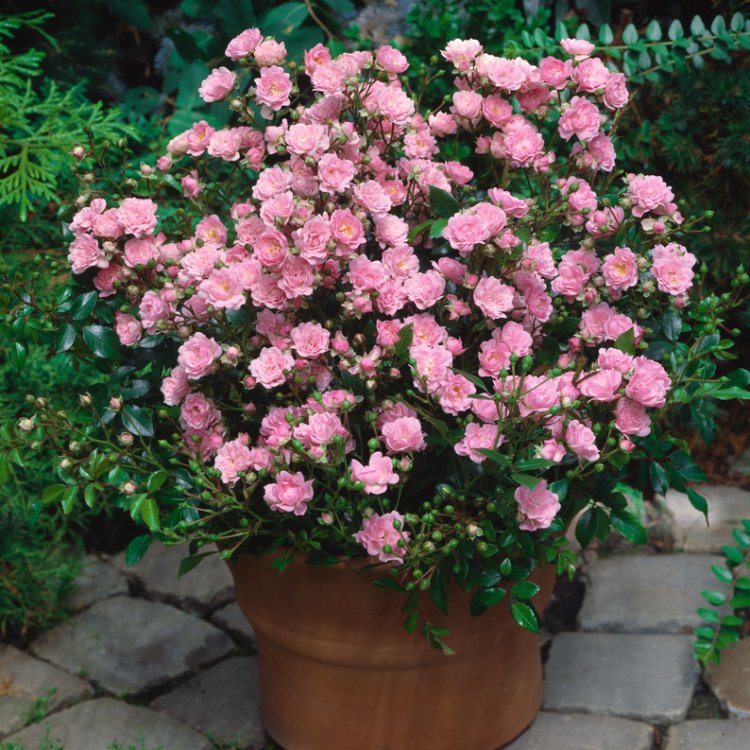
Many gardeners also pick Rosa (P) ‘The Fairy’ for pots. Here, one can enjoy its blooms up close. Moreover, it suits rock gardens or tumbles over low walls, giving a charming, old-world feel. Its robust nature helps it handle various conditions with ease.
‘The Fairy’ rose needs little pruning, making it simple to care for. A light trim in late winter or early spring is enough. This keeps its shape and removes old or weak stems. Removing spent flowers makes more blooms appear. This ensures the plant stays bright all season.
Importantly, this polyantha rose’s many flowers are good for garden wildlife. Bees and butterflies often visit its charming blooms. They gather nectar and help make your garden diverse.
Very hardy. Tolerates temperatures typical of a continental winter.
Water regularly, especially during dry spells and in the first year. Feed with a balanced rose fertiliser in spring and again in mid-summer. Prune lightly in late winter or early spring to remove dead, diseased, or weak stems and to maintain an attractive shape. Deadhead spent flowers to encourage continuous blooming throughout the season.
This plant is deciduous so it will lose all of its leaves in the autumn and get fresh new foliage each spring.