£8.37 – £9.07Price range: £8.37 through £9.07
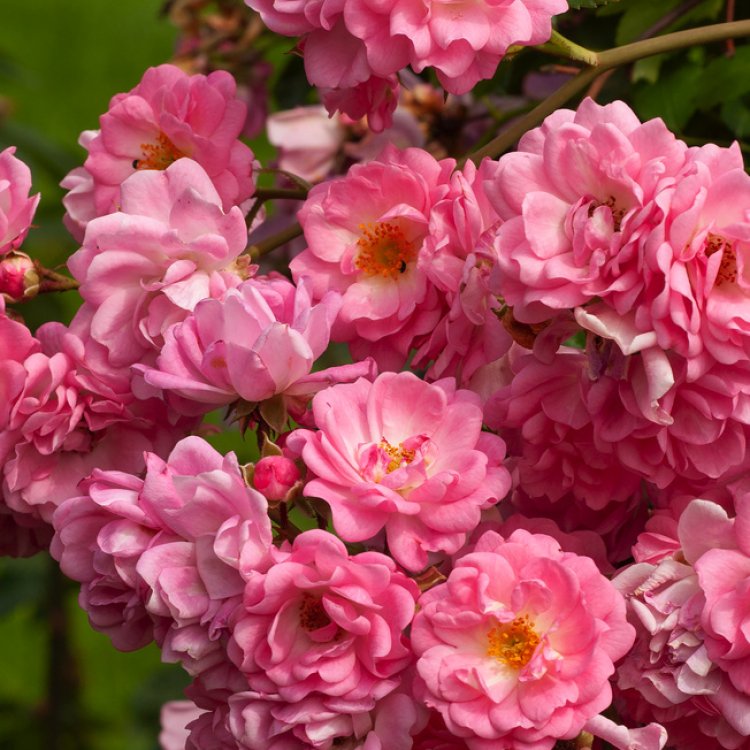
Rosa (P) Satina is a beautiful shrub rose with charming apricot-pink, cup-shaped flowers. It boasts excellent disease resistance and repeat blooms from summer into autumn, perfect for borders or containers, attracting pollinators.
978 in stock
Discover Rosa (P) Satina, a delightful shrub rose that brings soft apricot-pink blooms and enduring beauty to UK gardens.
This beautiful Kordes rose, known as Rosa (P) Satina, stands out for its charming colour and robust nature. It was bred in Germany and has gained popularity for its superb disease resistance. Gardeners often choose this variety for its gentle yet vibrant presence. It offers repeated flushes of flowers, ensuring continuous colour from early summer until autumn’s embrace. It makes an excellent addition to any garden design.
The distinguished Rosa (P) Satina, originating from the esteemed Kordes breeders, proudly carries the “(P)” designation. This indicates its Plant Breeders’ Rights protection. Its name, “Satina,” perfectly describes the soft, satin-like texture and hue of its petals.
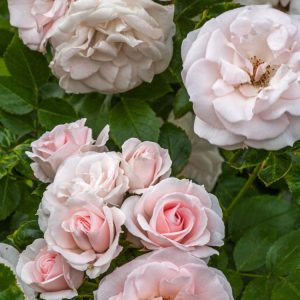
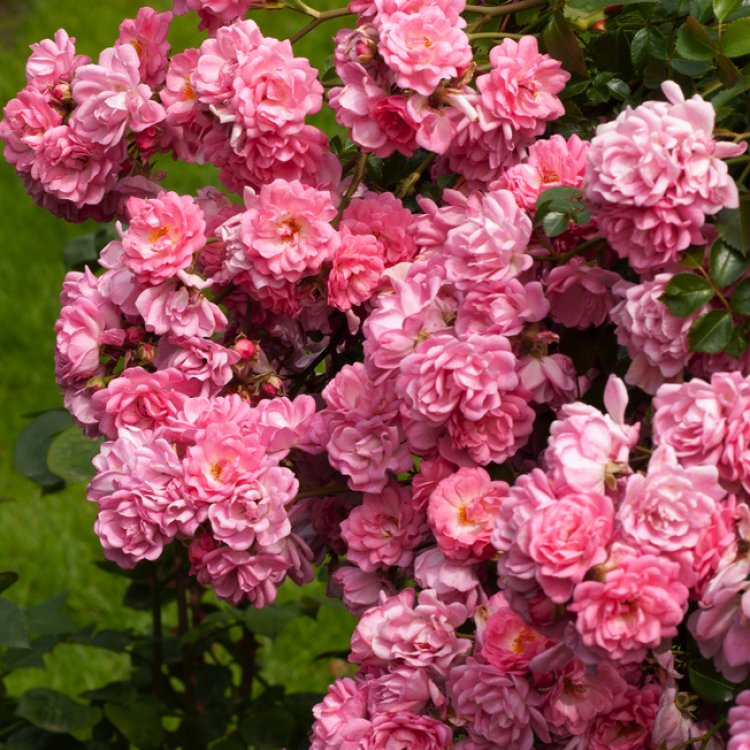
This lovely rose produces clusters of elegant, semi-double to double flowers. These blooms start as a rich apricot-pink, then they gradually soften to a lighter salmon-pink as they mature. This colour transition adds depth and visual interest to the plant.
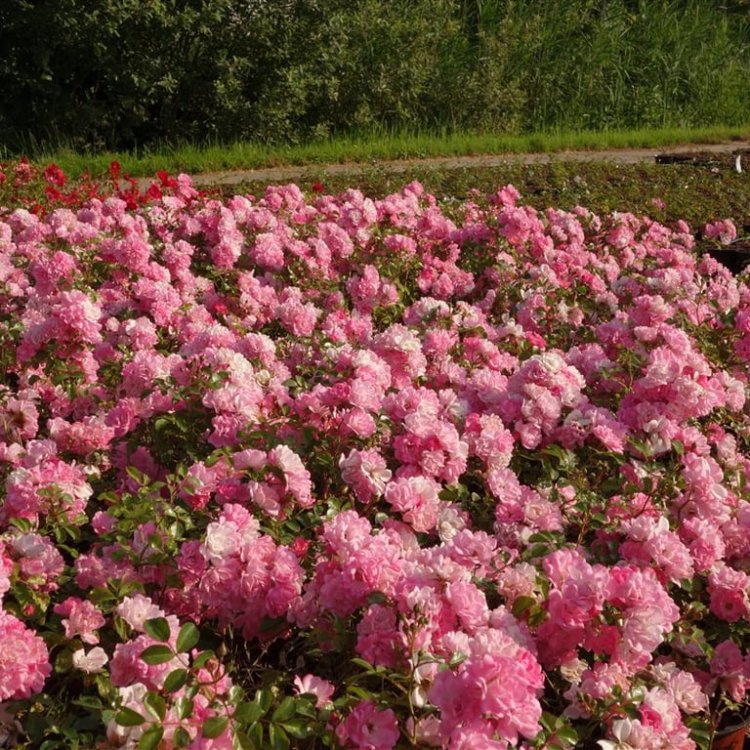
Rosa (P) Satina forms a neat and compact shrub. It typically reaches about 90 centimetres in height and spreads to roughly 70 centimetres. Its tidy habit makes it suitable for various garden settings.
Healthy, dark green foliage provides an excellent backdrop for the vibrant blooms. Furthermore, this robust plant demonstrates impressive resilience against common rose diseases. This characteristic ensures a strong, vibrant display throughout the growing season.
Gardeners use Rosa (P) Satina in many different ways. It thrives beautifully when planted in mixed borders, creating a focal point. You can also feature it effectively in large patio containers, brightening up outdoor living spaces. Furthermore, consider planting several together to form an informal, low-growing hedge.
This rose also provides valuable nectar and pollen for local wildlife. Bees and butterflies frequently visit its open blossoms, contributing to garden biodiversity. Therefore, you are supporting pollinators by choosing this variety. Regular pruning helps maintain its desirable shape and promotes abundant new flowers. This simple task ensures a continuous display of its exquisite blooms year after year.
Very hardy. Tolerates temperatures typical of a continental winter.
For best results, plant Rosa (P) Satina in fertile, well-drained soil in a sunny spot. Water regularly, especially during dry spells and in its first year. Feed with a balanced rose fertiliser in spring and again in mid-summer. Deadhead spent flowers to encourage further blooming. Prune annually in late winter or early spring to remove dead or weak growth and to maintain a desirable shape, encouraging strong new shoots.
This plant is deciduous so it will lose all of its leaves in the autumn and get fresh new foliage each spring.