£3.24 – £3.94Price range: £3.24 through £3.94
Rosa (P) ‘Rote The Fairy’ is a compact, bushy rose. It produces an abundance of vibrant red, double flowers from summer into autumn, perfect for UK garden borders or containers. This pollinator-friendly Fairy Rose offers continuous colour and charm.
100 in stock
Rosa (P) ‘Rote The Fairy’ offers enchanting, vibrant red blooms, bringing enduring charm and colour to UK gardens. This compact, free-flowering rose truly captivates with its prolific display.
This delightful polyantha rose is a true garden gem, known for its exceptional floriferous nature and tidy habit. Rosa (P) ‘Rote The Fairy’ produces an abundance of small, double flowers, which emerge in large, captivating clusters. It is a sport of the popular ‘The Fairy’ rose, yet its distinct red hue sets it apart. Furthermore, its robust, healthy growth ensures it remains a low-maintenance favourite for gardeners seeking continuous beauty.
Rosa (P) ‘Rote The Fairy’ is a distinguished cultivar, originally arising as a sport from the classic ‘The Fairy’ polyantha rose. The name ‘Rote’ translates to ‘red’ in German, aptly describing its striking flower colour. ‘The Fairy’ lineage ensures a compact, resilient, and incredibly floriferous plant, making this rose a superb choice for many gardeners. Its heritage means it shares many admirable qualities with its parent, but offers a unique splash of deep red.
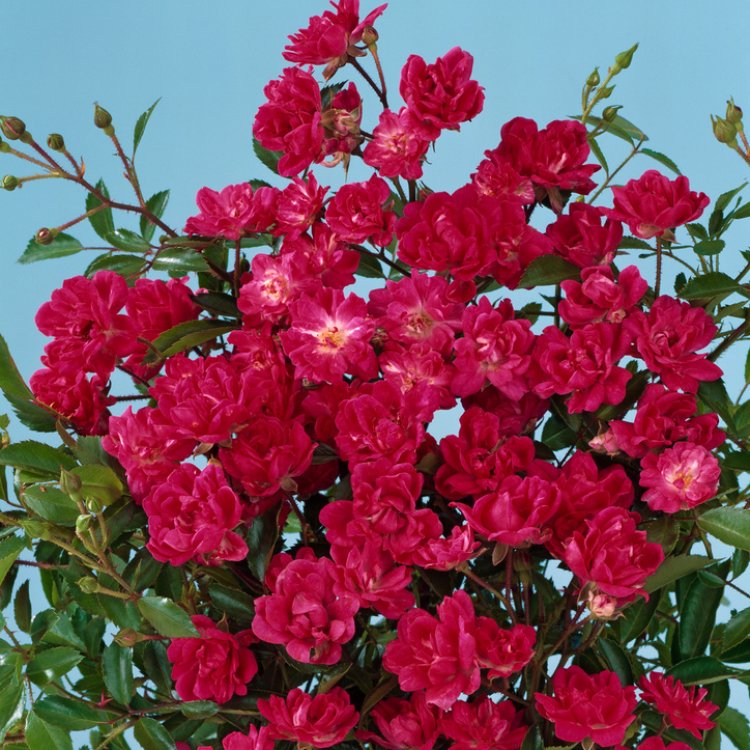
This lovely Fairy Rose showcases a magnificent display of petite, double blooms, each a rich, vibrant red. These charming flowers appear in generous clusters, creating a striking visual impact as they unfurl throughout the seasons. The continuous succession of blooms ensures a prolonged period of colour, captivating observers from early summer right through to the first frosts.
Complementing these eye-catching blossoms is its healthy, glossy, dark green foliage. The leaves provide a superb contrast, thus highlighting the intensity of the red flowers. This combination creates a lush, attractive appearance even when the plant is not in full bloom.
Due to its neat, compact size and abundant flowering, Rosa (P) ‘Rote The Fairy’ proves incredibly versatile in UK gardens. Gardeners often choose this rose for edging borders, where its low-growing habit creates a defined, colourful boundary. Furthermore, its manageable dimensions make it an excellent candidate for patio pots and containers, allowing its beauty to be enjoyed on balconies or smaller patios. You can also utilise this reliable plant for mass planting to create a carpet of colour or integrate it into rockeries. Its bushy form and consistent flowering make it a valuable addition to many garden designs.
Maintaining the health and vigour of Rosa (P) ‘Rote The Fairy’ involves some simple pruning. Light pruning helps to shape the plant and encourages fresh growth. Primarily, this consists of removing any dead, damaged, or weak stems to maintain an attractive structure. Deadheading spent blooms throughout the flowering season is also beneficial.
This practice diverts the plant’s energy into producing new flowers instead of setting hips, therefore promoting a continuous and generous display of colour.
Rosa (P) ‘Rote The Fairy’ is not only a delight for human eyes but also a valuable resource for local wildlife. Its numerous small flowers act as a magnet for pollinating insects. Bees, in particular, visit the blooms frequently, collecting nectar and pollen. Therefore, planting this Fairy Rose contributes positively to garden biodiversity. It provides a consistent food source for these vital garden visitors, consequently helping to support healthy insect populations in your UK garden.
Very hardy. Tolerates temperatures typical of a continental winter.
Water Rosa (P) 'Rote The Fairy' regularly, especially during dry spells and in its first year. Feed with a balanced rose fertiliser in spring. Prune lightly in late winter or early spring to remove dead, damaged, or weak stems and to maintain shape. Deadhead spent blooms throughout the flowering season to encourage continuous flowering and prevent seed formation. Ensure good air circulation around the plant to minimise fungal issues.
This plant is deciduous so it will lose all of its leaves in the autumn and get fresh new foliage each spring.