£7.97 – £8.68Price range: £7.97 through £8.68
Rosa (P) Rhapsody in Blue is a stunning shrub rose with unique violet-blue semi-double flowers and a lovely fragrance. Enjoy continuous blooms from early summer to autumn, attracting bees to your UK garden. Perfect for borders or containers.
500 in stock
Discover Rosa (P) Rhapsody in Blue, a truly captivating shrub rose, celebrated for its unique violet-blue blooms and delightful fragrance, perfect for UK gardens.
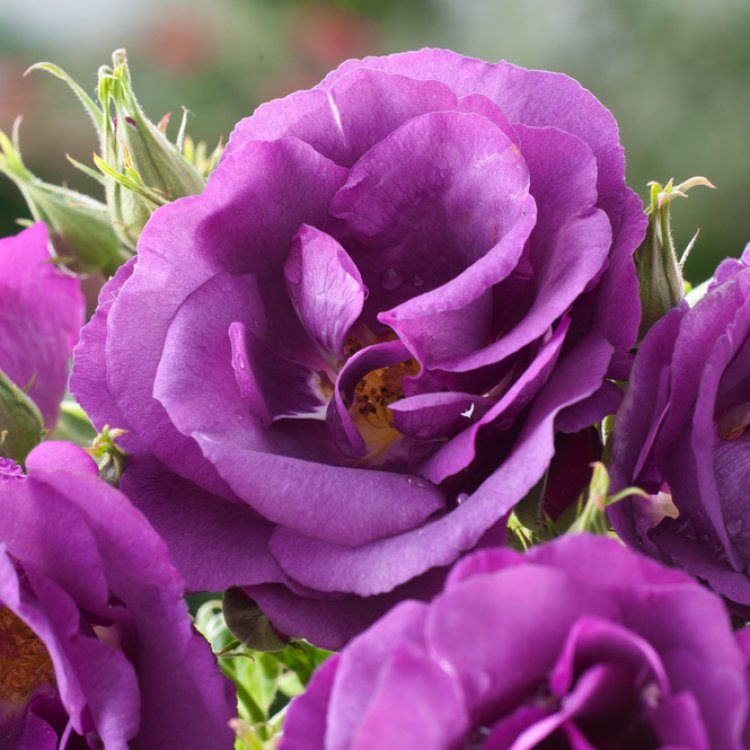
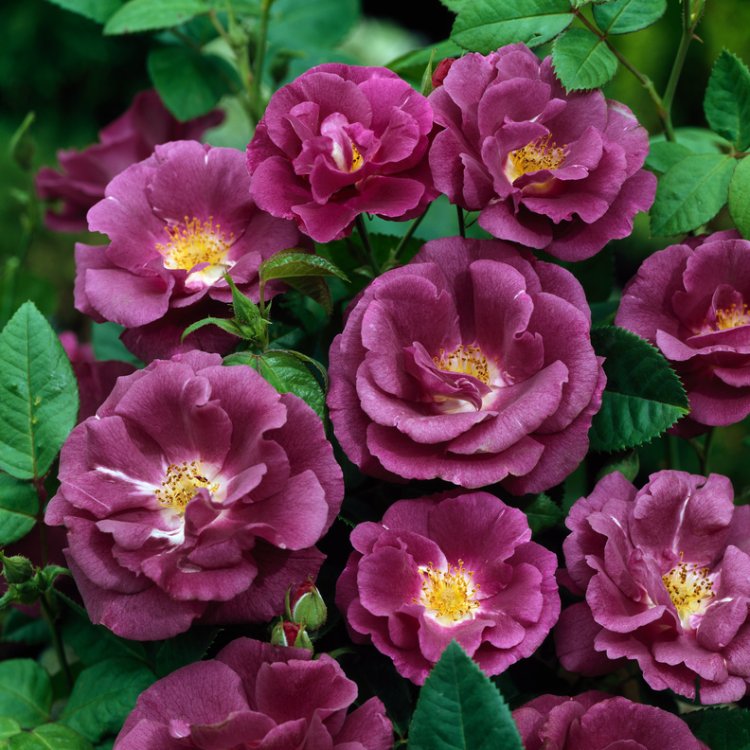
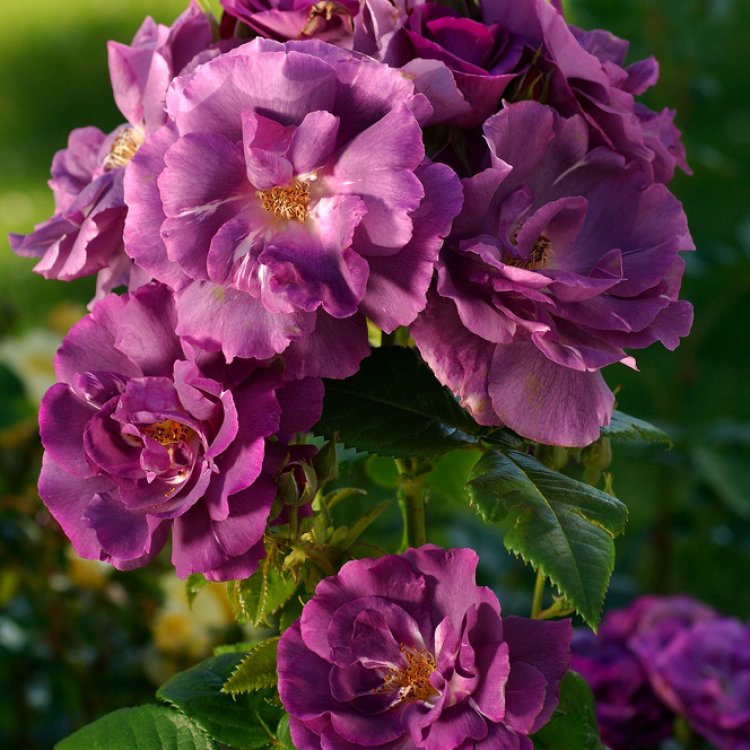
This exceptional rose, named with a nod to the famous Gershwin composition, introduces a rarely seen colour into the garden palette. Its distinctive semi-double flowers emerge in shades of deep violet, softening to a charming blue-mauve as they mature. Furthermore, a lovely moderate fragrance enhances its appeal. Bred by Cowlishaw and introduced in 2002, this modern shrub rose quickly became a favourite among gardeners seeking something truly special. It offers continuous flowering throughout the summer and autumn.
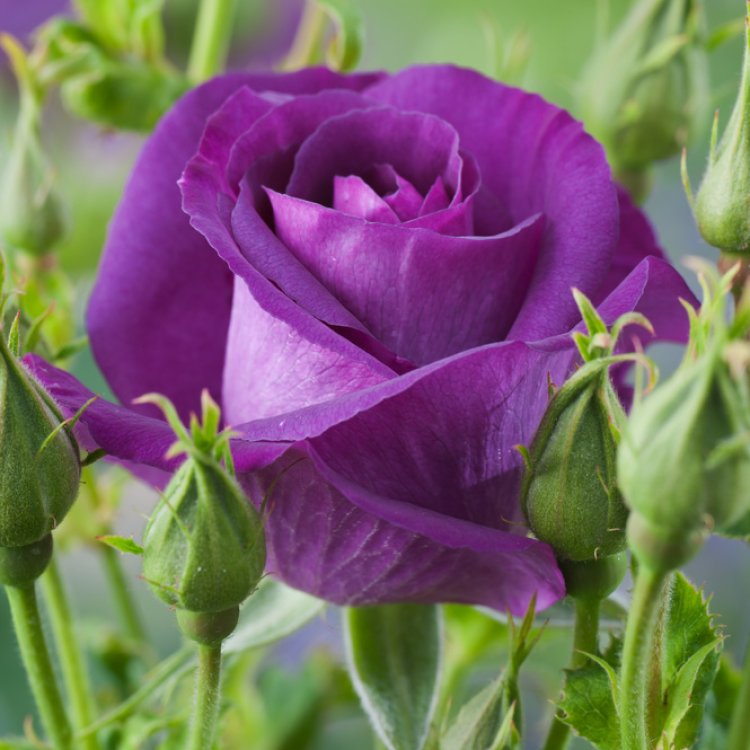
Rosa (P) Rhapsody in Blue presents a magnificent display of colour, bringing an unusual violet-blue hue to the garden. This shrub rose truly stands out. Initially, the buds reveal a rich magenta. Then they gracefully open into clusters of semi-double flowers. These blooms often feature contrasting golden stamens at their heart, offering a wonderful spectacle. The plant’s dark green, healthy foliage provides an ideal canvas for these striking blossoms. Indeed, the leaves hold good resistance to common rose diseases.
Furthermore, this splendid rose provides an extended flowering season. Blooms first appear in early summer, typically around June. They continue in generous flushes right through to the first frosts of autumn, often into October. Therefore, gardeners enjoy months of continuous interest. The flowers emit a pleasing, medium-strength fragrance, making Rosa (P) Rhapsody in Blue a joy to experience up close. Its scent adds another layer of sensory delight to any outdoor space.
Gardeners find Rosa (P) Rhapsody in Blue highly versatile. It thrives beautifully in mixed borders, creating a focal point with its unusual colour. Also, it performs exceptionally well in large containers, perfect for patios or smaller gardens. You can also plant it as a stunning individual specimen. It grows to a manageable size, making it suitable for various garden designs.
Importantly, the open nature of its semi-double flowers makes them easily accessible to bees and other beneficial pollinating insects. Consequently, this rose contributes positively to garden biodiversity, supporting local wildlife. Regular pruning encourages vigorous growth and abundant flowering, maintaining the plant’s elegant shape.
Hardy across most of the UK except particularly exposed or cold regions.
Prune established plants in late winter or early spring, removing dead, damaged, or weak stems. Cut back to outward-facing buds to encourage an open habit. Deadhead spent flowers regularly during the flowering season to promote continuous blooming. Feed in early spring with a balanced rose fertiliser and again after the first flush of flowers. Water deeply during dry periods, especially for container-grown roses. Monitor for common rose diseases like black spot and powdery mildew, treating promptly if observed.
This plant is deciduous so it will lose all of its leaves in the autumn and get fresh new foliage each spring.