£9.58 – £10.28Price range: £9.58 through £10.28
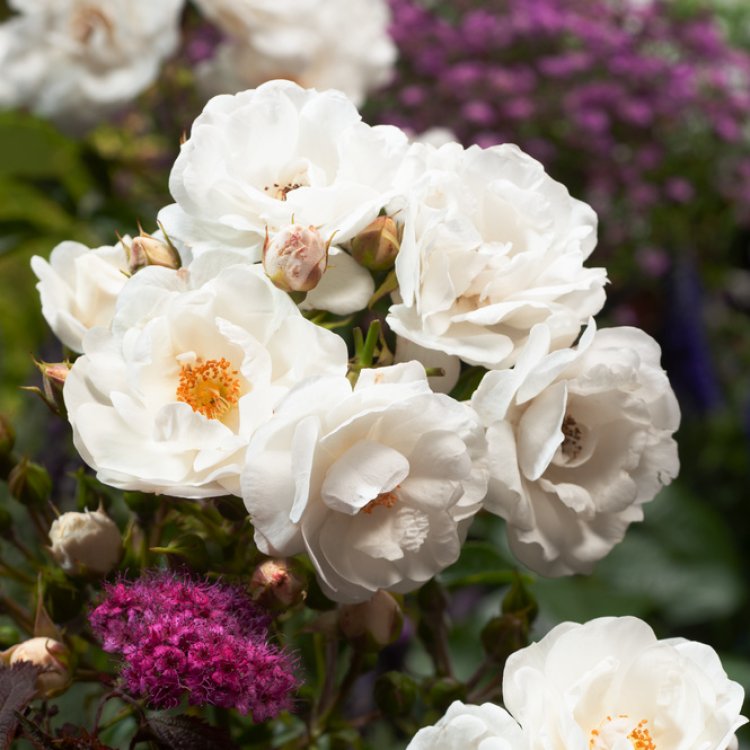
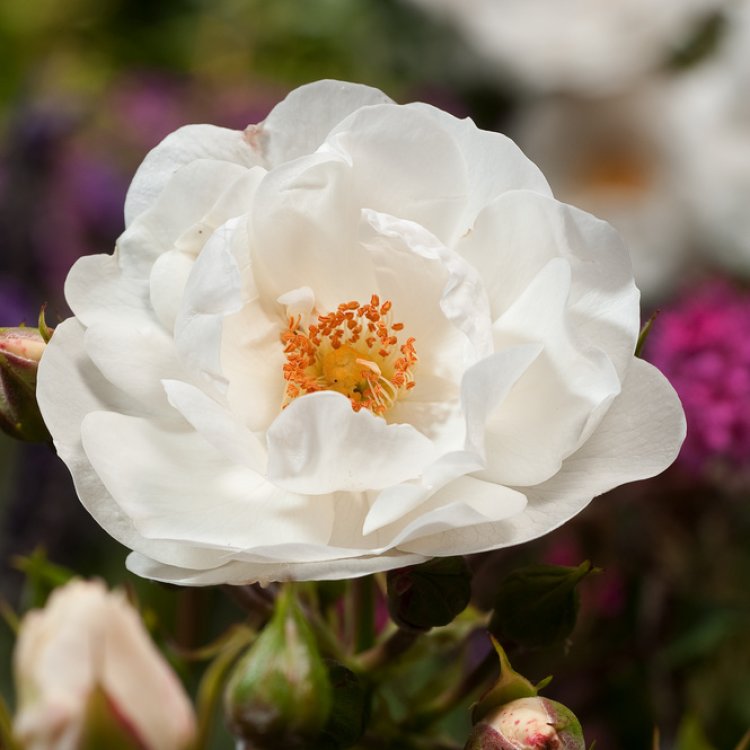
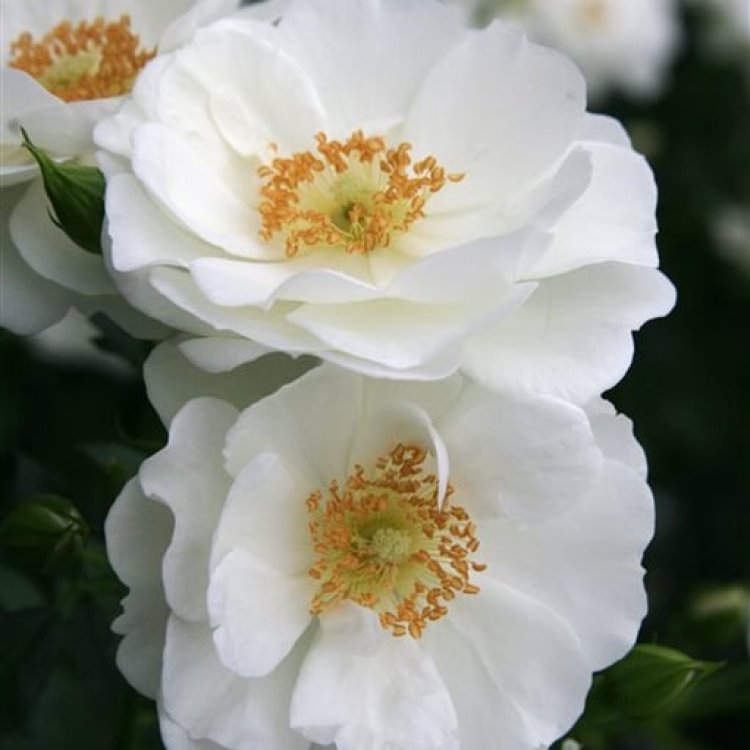
Rosa Innocencia is a delightful floribunda rose with pure white, semi-double blooms. It flowers from early summer to autumn, offering a compact habit and strong disease resistance. This rose is perfect for borders and containers.
206 in stock
Discover Rosa Innocencia, a charming floribunda rose perfect for adding pure white elegance to any UK garden space with its prolific blooms.
Rosa Innocencia is a superb choice for gardeners seeking a resilient and free-flowering white rose. This delightful floribunda cultivar, introduced by Kordes, offers a continuous display of pristine blooms throughout the summer months. It truly enhances borders, patio containers, and even low hedges. Its compact habit and clean foliage make it a versatile addition to diverse garden designs. Furthermore, it brings both beauty and a gentle charm to its surroundings.
The lovely Rosa Innocencia was bred by the renowned German rose growers W. Kordes’ Söhne. They introduced this floribunda rose in 2003. Its name, “Innocencia,” quite fittingly, reflects the pristine, untouched beauty of its pure white flowers. This cultivar forms part of Kordes’ commitment to developing robust and easy-care roses. Indeed, its strong health and consistent performance stand out.
This rose truly shines with its exquisite flowers. The semi-double to double blooms of Rosa Innocencia unfurl in clusters, creating a striking visual impact. Each flower boasts numerous petals of a brilliant, unblemished white hue. The flowering period is exceptionally long. Blooms appear from early summer and persist until the first frosts of autumn in the UK. Moreover, its dark green foliage provides a superb backdrop. This glossy foliage also shows excellent resistance to common rose diseases. Therefore, the plant stays fresh and vibrant for longer periods.
Rosa Innocencia is a versatile plant, perfectly suited for various garden roles. It excels when planted in mixed borders, providing a bright, clean contrast to colourful perennials. Also, its compact size makes it an ideal candidate for patio pots and containers. You can enjoy its beauty up close. Furthermore, it works wonderfully as a low hedge or in mass plantings. This creates a sweeping effect of white. Annual pruning is beneficial for floribunda roses. Simply cut back by about a third in late winter or early spring. This encourages vigorous new growth and abundant flowering.
Beyond its aesthetic appeal, Rosa Innocencia also contributes to garden biodiversity. Its semi-double flowers, while abundant, still allow access for pollinating insects. Therefore, bees and other beneficial insects are often seen visiting the blooms. This makes it a great choice for gardeners keen to support local wildlife populations. Furthermore, a thriving rose provides shelter and a food source for other small creatures. It supports the garden ecosystem.
Very hardy. Tolerates temperatures typical of a continental winter.
This plant is deciduous so it will lose all of its leaves in the autumn and get fresh new foliage each spring.