£6.01 – £6.71Price range: £6.01 through £6.71
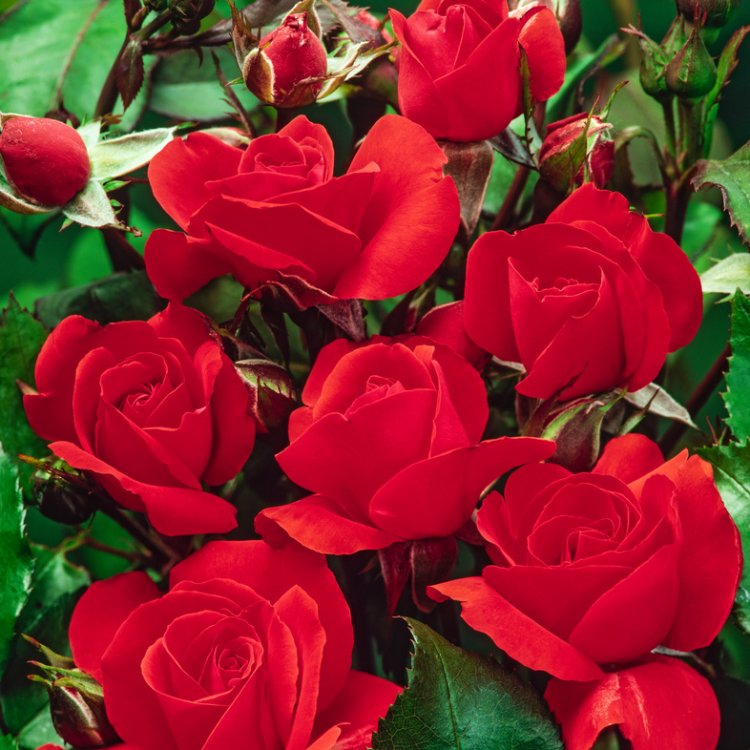
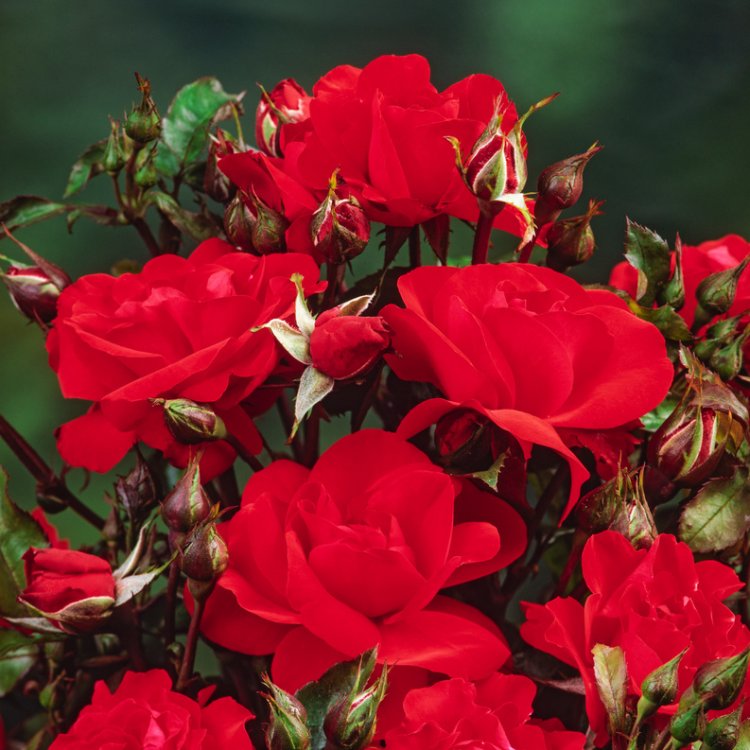
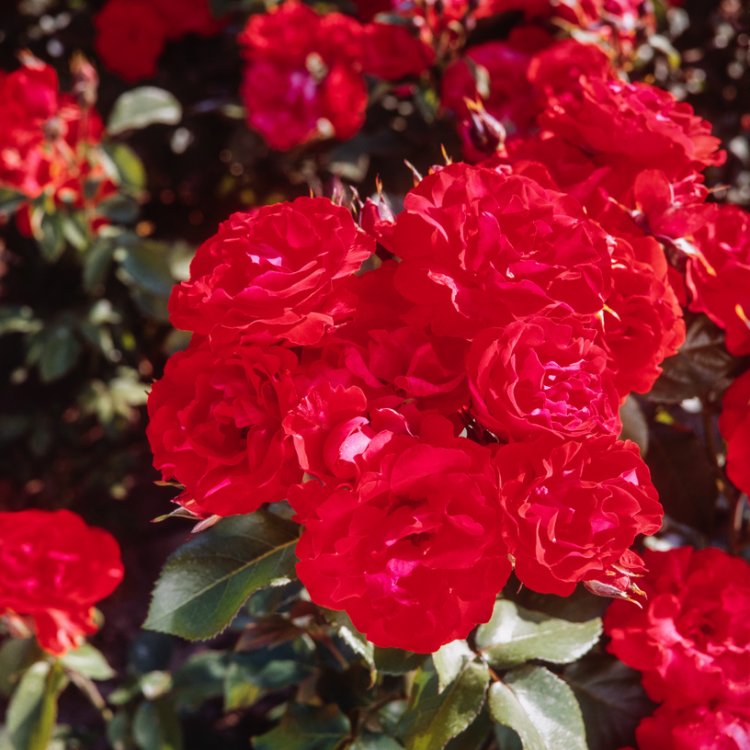
Rosa (F) ‘Satchmo’ is a vibrant floribunda rose with dazzling orange-red double blooms. This ‘Rose’ flowers continuously from June to October, bringing cheerful colour and a mild fragrance to UK gardens. It is ideal for borders and containers, attracting beneficial pollinators.
375 in stock
Discover Rosa (F) ‘Satchmo’, a captivating floribunda rose bringing a symphony of vibrant orange-red blooms and cheerful colour to UK gardens.
This striking rose, often simply called a ‘Rose’, truly enchants with its flamboyant personality. Introduced in 1980 by British breeder Frank R. Cowlishaw, Rosa (F) ‘Satchmo’ celebrates the joyous spirit of its namesake, Louis ‘Satchmo’ Armstrong. Its robust nature and continuous flowering habit make it a much-loved choice for gardeners seeking both beauty and reliability.
Furthermore, its vivid hues stand out wonderfully in any garden design, easily drawing the eye. This plant provides consistent visual interest, becoming a focal point in any bed or border. Therefore, many UK gardeners appreciate its strong presence and consistent performance.
Rosa (F) ‘Satchmo’ is a distinguished floribunda rose, renowned for its prolific flowering. Indeed, this vigorous cultivar consistently produces clusters of medium-sized, double flowers. Each bloom unfolds with a delightful intensity, showcasing rich orange-red to vermillion shades. Moreover, the petals hold their colour well, even during brighter summer days. These charming flowers also carry a mild, sweet fragrance, adding another layer of appeal to your garden space.
The foliage of this particular rose is equally impressive. It consists of dark green leaves that boast a noticeable glossy sheen. Importantly, this healthy foliage provides an excellent backdrop for the vibrant blooms. The plant typically reaches an approximate height of 0.9 metres and spreads to about 0.6 metres, forming a tidy, bushy specimen. Consequently, it fits well into various garden settings without becoming overbearing.
Gardeners often choose Rosa (F) ‘Satchmo’ for its versatility. It performs exceptionally well when planted in mixed borders, where its radiant colours can truly shine. Furthermore, its compact size makes it an ideal candidate for mass planting, creating a spectacular display of continuous colour. Many also find it suitable for larger containers, allowing for flexible placement on patios or balconies. Thus, you can enjoy its beauty close to your home.
As a single rose, it makes a striking focal point. This ‘Rose’ is also a welcome addition for local wildlife. Its accessible flowers attract various beneficial insects, including busy bees and colourful butterflies. They visit the blooms, helping to pollinate other plants in your garden. Regular pruning is essential to maintain the plant’s vigour and encourage abundant flowering throughout the season. Typically, this involves deadheading spent blooms and a more significant prune in late winter or early spring.
Hardy across most of the UK except particularly exposed or cold regions.
Provide regular watering, especially during dry spells, to help 'Satchmo' establish and thrive. Feed with a balanced rose fertiliser in spring and again in mid-summer for optimal flowering. Prune in late winter or early spring to remove dead, diseased, or crossing stems, and to maintain a good shape. Deadhead spent blooms regularly to encourage continuous flowering throughout the season. Monitor for common rose pests like aphids and diseases such as black spot or powdery mildew, treating promptly if identified.
This plant is deciduous so it will lose all of its leaves in the autumn and get fresh new foliage each spring.