£6.86 – £9.22Price range: £6.86 through £9.22
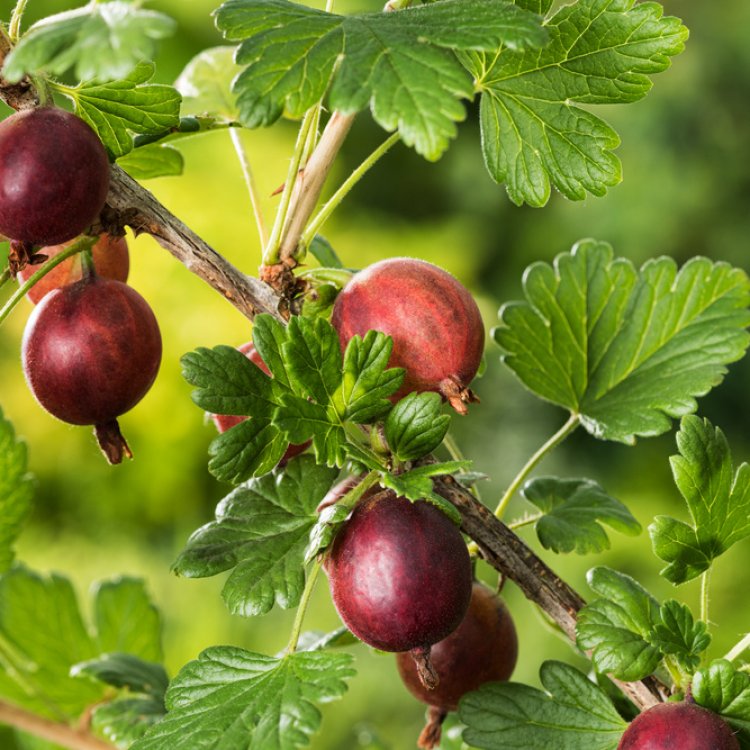
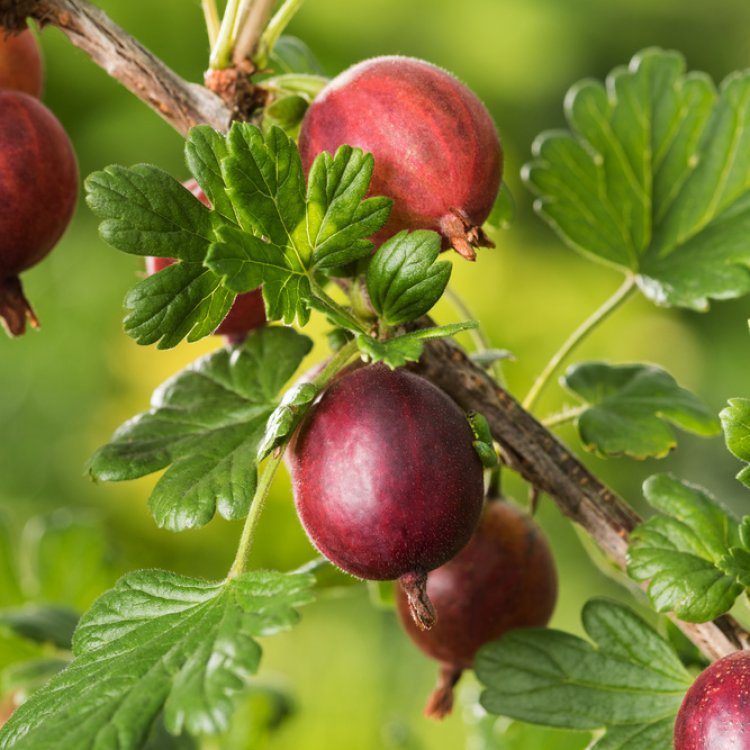
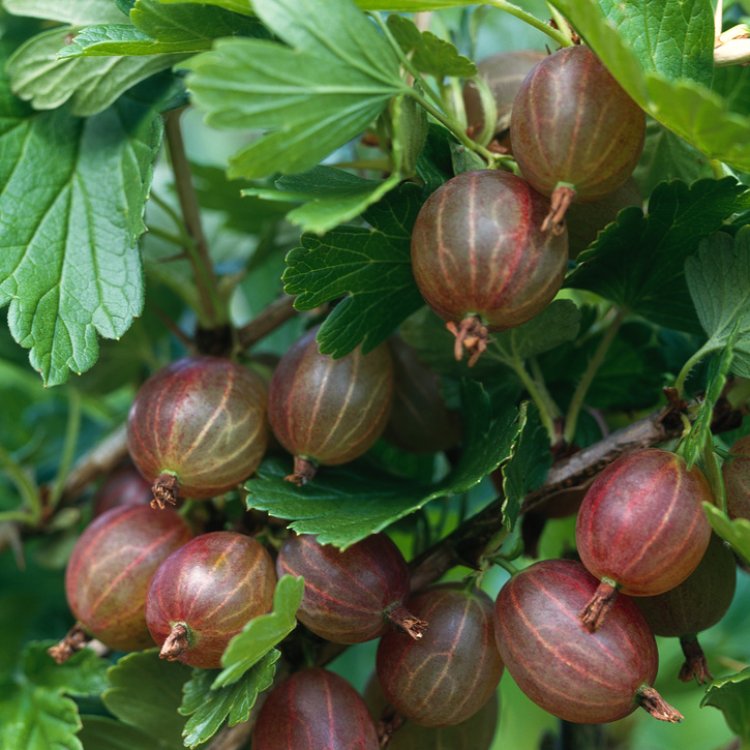
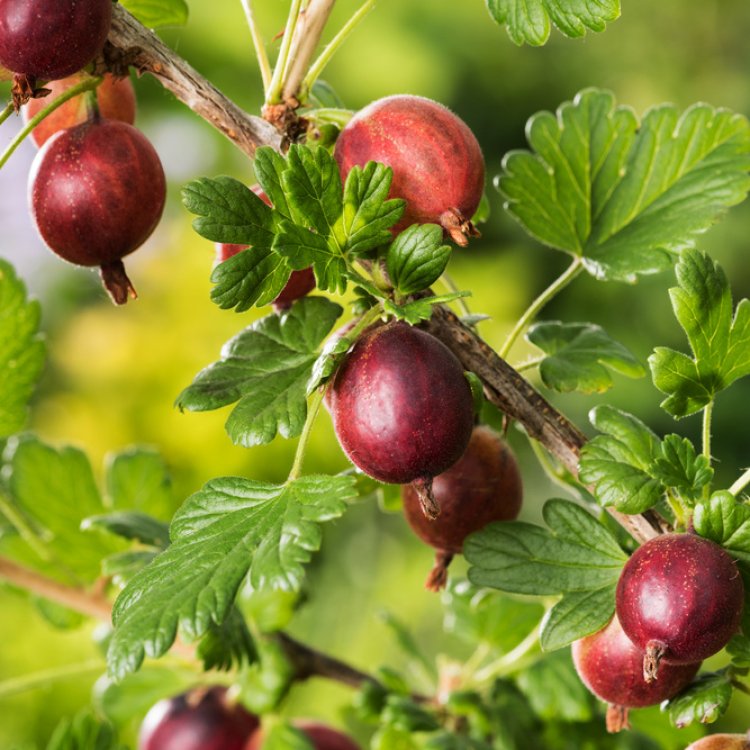
Ribes uva-crispa Hinnonmäki Röd is a hardy gooseberry known for its exceptional powdery mildew resistance. This plant yields abundant, sweet red fruits perfect for eating fresh, cooking, or preserving, making it a garden favourite.
7993 in stock
Discover Ribes uva-crispa Hinnonmäki Röd, a robust gooseberry producing abundant, delicious red fruits, cherished for its resilience and excellent powdery mildew resistance.
Cultivating delicious gooseberries in your UK garden becomes effortless with Ribes uva-crispa Hinnonmäki Röd. This exceptional hardy cultivar consistently delivers a bountiful harvest of sweet, juicy berries. It thrives in various conditions, making it a reliable choice for gardeners. Importantly, this plant exhibits superb resistance to common diseases, especially powdery mildew, ensuring healthy growth and sustained yields. Consequently, you can enjoy delicious fruit with less worry about plant health issues.
Ribes uva-crispa Hinnonmäki Röd originates from Sweden, renowned for its outstanding hardiness and reliable fruit production in cooler climates. Its name, ‘Hinnonmäki Röd’, directly translates to ‘Red Hinnonmäki’, aptly describing its vibrant fruit colour and Nordic heritage. This deciduous shrub boasts attractive bright green, lobed leaves throughout the growing season. These leaves provide a lovely backdrop for the developing berries. Furthermore, in spring, inconspicuous greenish-yellow flowers emerge. These modest blooms might seem small, but they prove incredibly appealing to pollinators, particularly bees, which are essential for successful fruit set.
Gardeners love the Ribes uva-crispa Hinnonmäki Röd gooseberry for its adaptability. It serves many purposes within the garden design. For example, it fits perfectly into a traditional kitchen garden. Moreover, you can use it to create an informal fruiting hedge or integrate it into mixed borders. Its manageable size also makes it an excellent candidate for growing in larger containers on patios or balconies. The plant’s round, glossy red berries ripen in summer, typically from July to August. They offer a delightful balance of sweetness and tartness, making them perfect for desserts, jams, or simply enjoying straight from the bush. While the flowers attract bees, the ripe fruits can also tempt garden birds. Therefore, some protection might be necessary if you wish to secure a full harvest for yourself. Regular pruning is a common practice for this gooseberry. This process helps to maintain a good shape, promotes vigorous growth, and encourages an even greater abundance of those delicious fruits.
Very hardy. Tolerates temperatures typical of a continental winter.
Requires regular watering, especially during dry periods and when fruits are developing. Feed annually with a balanced fertiliser in early spring. Prune in winter to maintain shape and encourage fruit production, and lightly in summer to improve air circulation and sunlight access to ripening fruit. Protect from birds if growing for fruit.
This plant is deciduous so it will lose all of its leaves in the autumn and get fresh new foliage each spring.