£13.16 – £15.52Price range: £13.16 through £15.52
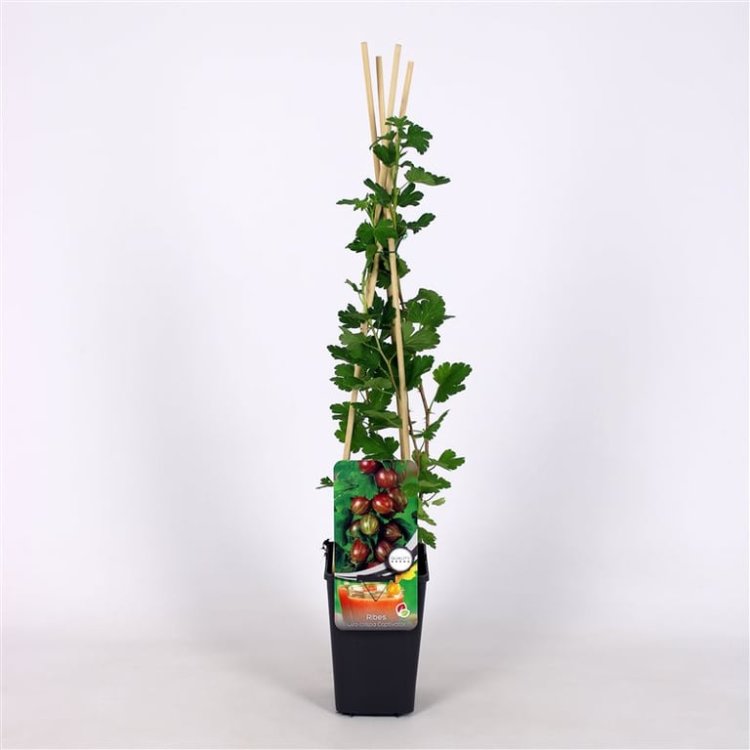
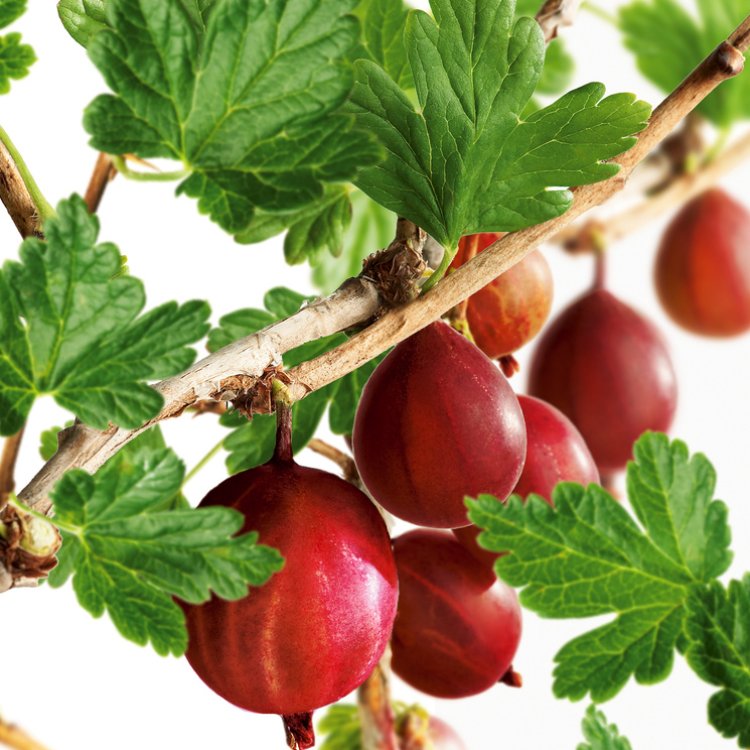
Grow Ribes uva-crispa ‘Captivator’, a virtually thornless gooseberry, in your UK garden. This easy-to-grow plant yields sweet, red berries and shows excellent disease resistance, perfect for a bountiful harvest.
33 in stock
Discover Ribes uva-crispa ‘Captivator’, an outstanding gooseberry cultivar known for its delicious fruit and easy-to-manage, virtually thornless stems.
This remarkable gooseberry, Ribes uva-crispa ‘Captivator’, is a fantastic choice for any UK garden. It combines robust growth with a high yield of sweet, flavourful berries. Gardeners appreciate its low-maintenance nature.
Furthermore, its attractive form makes it a pleasing addition to edible landscapes. This plant truly lives up to its name, captivating all who grow it.
Features of Ribes uva-crispa ‘Captivator’:
Exploring Ribes uva-crispa ‘Captivator’
Ribes uva-crispa ‘Captivator’ belongs to the grossulariaceae family, which includes currants and gooseberries. This specific cultivar is a hybrid, bred for improved characteristics. Historically, gooseberries have been a staple in British gardens for centuries. The botanical name, Ribes uva-crispa, translates from Latin. ‘Ribes’ refers to the genus of currants. ‘Uva-crispa’ means ‘crisp grape’, aptly describing the texture and form of the fruit. The cultivar name ‘Captivator’ highlights its desirable traits.
During spring, this gooseberry produces small, inconspicuous flowers. These blooms appear before the leaves fully unfurl. While modest, they are vital for fruit development. They also provide early nectar for bees and other pollinators. Consequently, your garden becomes a haven for local wildlife. The foliage is a fresh green through spring and summer. It offers a pleasant backdrop to the developing berries. As autumn arrives, the leaves often turn a lovely golden hue. They then drop, signalling dormancy.
This versatile plant fits many garden roles. For instance, you can grow Ribes uva-crispa ‘Captivator’ as a freestanding bush. It also works well in rows for an edible hedge. Its upright habit makes it suitable for training against a wall or fence as a cordon. Furthermore, its compact size allows for cultivation in large containers on patios or balconies.
Regular pruning helps maintain an open structure and encourages optimal fruit production. Pruning often occurs in late winter when the plant is dormant. This practice ensures healthy growth and abundant harvests year after year.
Very hardy. Tolerates temperatures typical of a continental winter.
This plant is deciduous so it will lose all of its leaves in the autumn and get fresh new foliage each spring.