£7.02 – £7.72Price range: £7.02 through £7.72
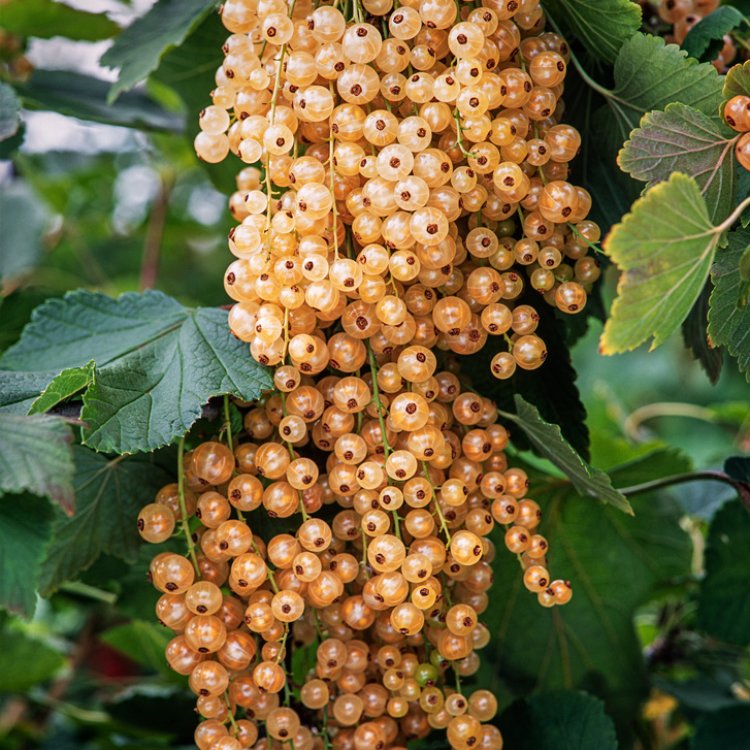
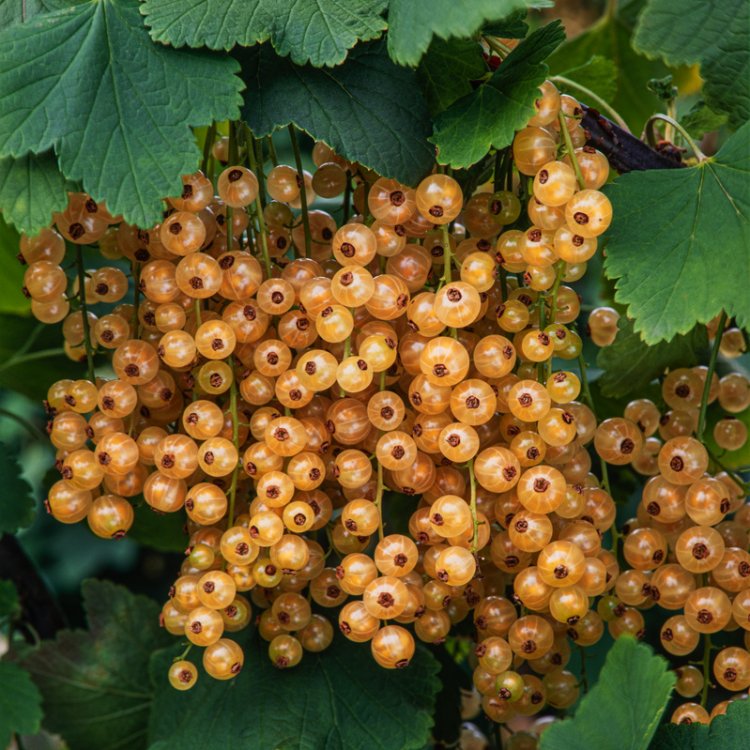
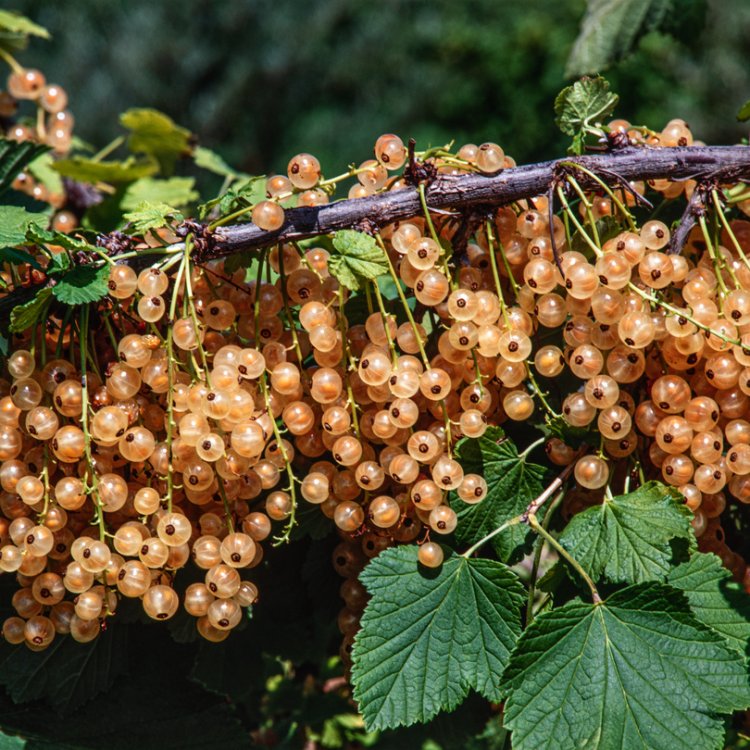
Ribes rubrum (white), or whitecurrant, is a delightful deciduous shrub producing sweet, translucent berries. Enjoy abundant crops for culinary use from late June. It offers great appeal for both gardeners and local wildlife in the UK.
397 in stock
Introduce the delightful Ribes rubrum (white), a brilliant deciduous shrub known for its sweet, translucent whitecurrants, perfect for UK gardens.
Ribes rubrum (white) is a beloved fruiting shrub, highly valued for its abundant crops of delicate whitecurrants. These berries are celebrated for their unique flavour. They are less tart than their red counterparts, offering a sweeter culinary experience. Often simply called whitecurrant, this versatile plant thrives across the British Isles. It brings both ornamental appeal and delicious produce to any garden space. Its elegant cascades of fruit offer a striking visual during summer months. Gardeners often choose this robust shrub for its ease of growth and generous yields.
The Ribes rubrum (white) is a charming addition to any British garden. It offers both beauty and bountiful harvests. Scientifically, it is known as Ribes rubrum, with ‘white’ denoting this specific fruit colour cultivar. The genus name Ribes originates from an ancient Arabic word, ribas. This word referred to a plant with sour fruit. While ‘rubrum’ typically means red, highlighting its close relation to the redcurrant, this cultivar has been specifically bred for its delightful white fruit. The common name, whitecurrant, accurately describes its most appealing characteristic.
This deciduous shrub displays vibrant green, lobed leaves throughout spring and summer. In autumn, these leaves transform into warm yellow tones. This adds seasonal interest. Small, inconspicuous greenish-yellow flowers emerge in spring, typically around April to May. Although modest, these blooms are important for early pollinators. Bees particularly benefit. They signal the start of the fruiting season. Following flowering, the plant develops long racemes of translucent, pearl-like berries. These ripen to a sweet, juicy perfection by late June or July.
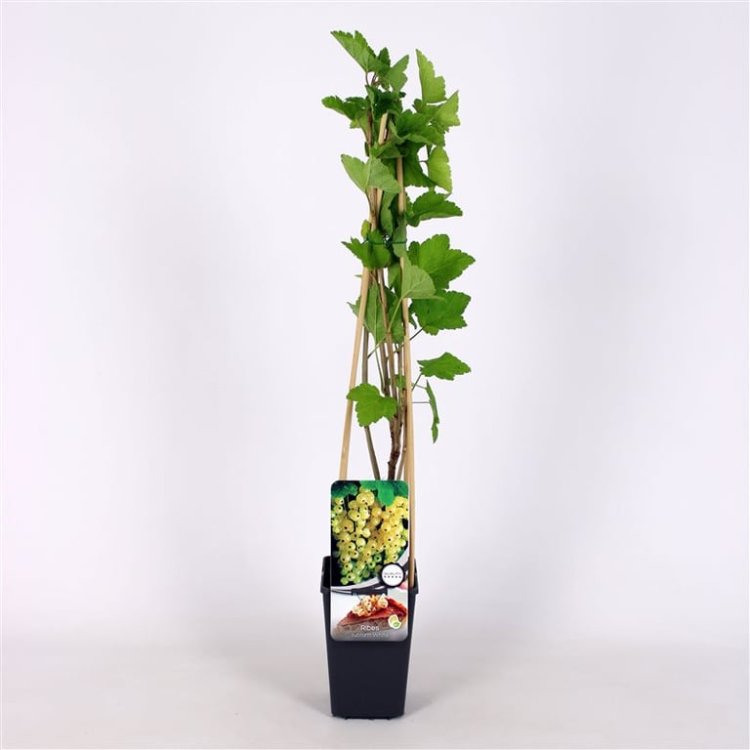
Whitecurrant is incredibly versatile in the garden. It is superb for growing in fruit cages. Also, it fits well as part of a dedicated kitchen garden. You can integrate it into mixed borders, providing both edible yield and structural interest. For smaller spaces or more formal designs, Ribes rubrum (white) responds very well to training. It can be shaped into neat cordons, fans, or even standards. This maximises fruit production. It also adds an attractive architectural element.
Beyond human enjoyment, this plant offers benefits for local wildlife. The small spring flowers provide a valuable nectar source for bees and other beneficial insects. This aids pollination across your garden. Furthermore, the ripening berries are a natural food source for various bird species. Protecting your crop with netting might be wise. This ensures you enjoy the harvest yourself.
Pruning is essential for plant health and consistent fruit production. This usually involves removing older, less productive wood after fruiting. Alternatively, prune during dormant winter months. This practice ensures a strong framework and delicious whitecurrants year after year.
Very hardy. Tolerates temperatures typical of a continental winter.
Ribes rubrum (white) thrives with consistent care. Plant in well-drained, fertile soil, ensuring good air circulation. Water regularly, especially during dry spells and when fruit is developing, to prevent stress and ensure juicy berries. Apply a balanced fertiliser in spring. Pruning is crucial for maximising yields and maintaining a healthy plant structure. For established plants, remove a proportion of older, less productive stems each winter or immediately after harvesting. This encourages new growth that will bear fruit in subsequent years. Keep the area around the base weed-free and apply a mulch to retain moisture and suppress weeds. Protect ripening fruit from birds using netting if necessary.
This plant is deciduous so it will lose all of its leaves in the autumn and get fresh new foliage each spring.