£13.16 – £15.52Price range: £13.16 through £15.52
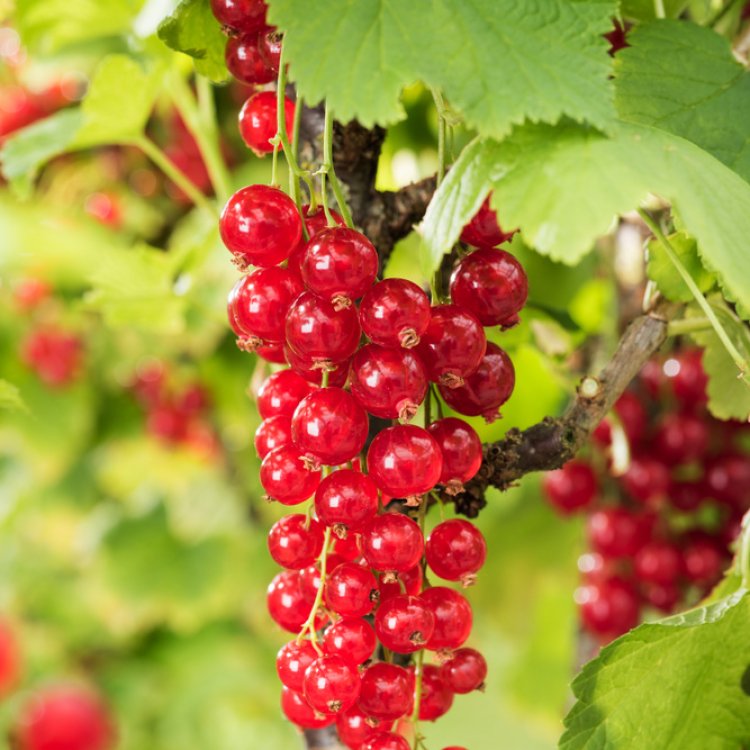
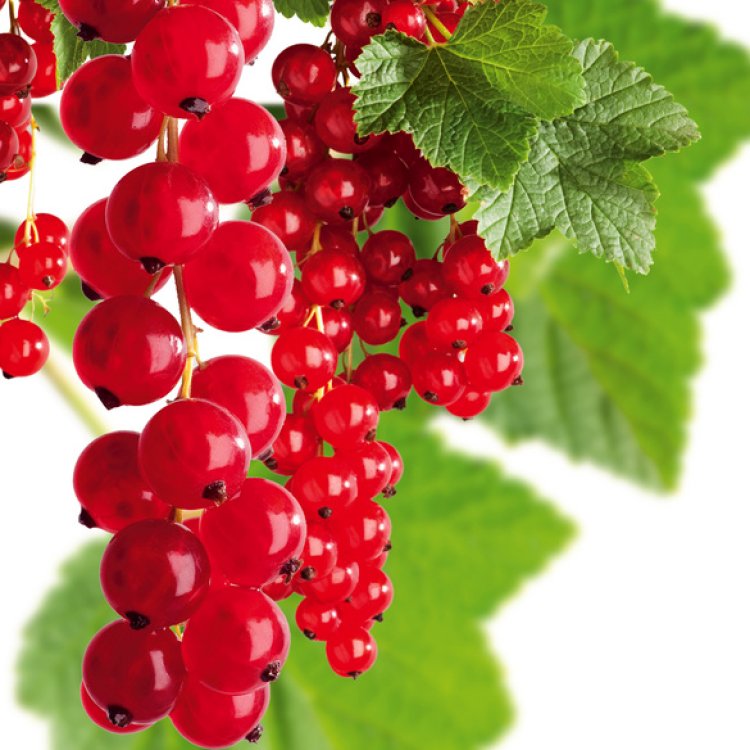
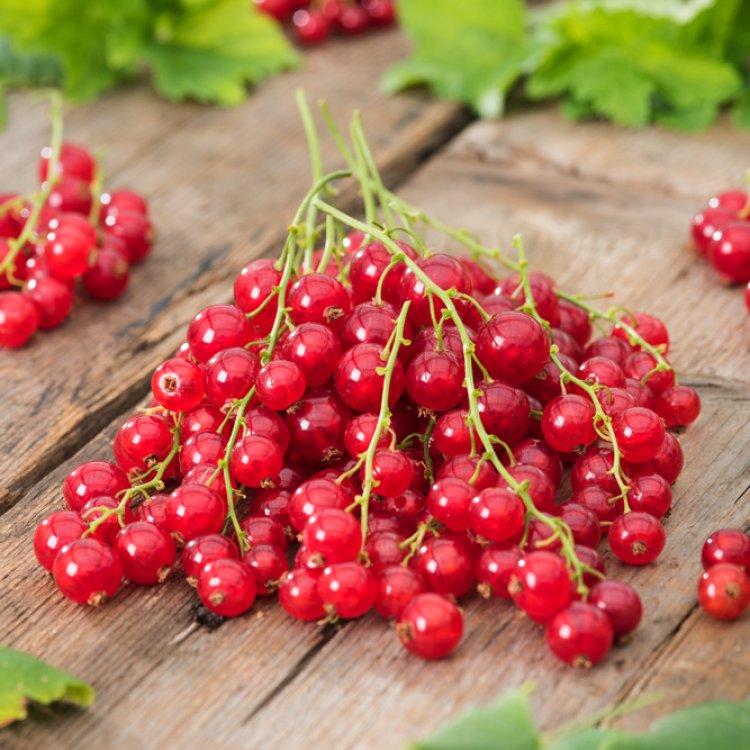
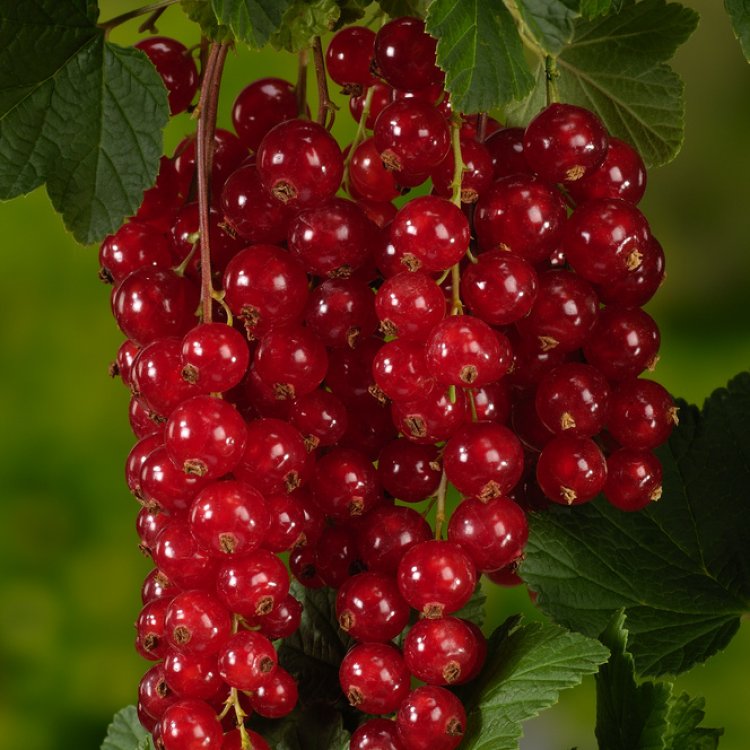
Ribes rubrum (red) ‘Jonkheer van Tets’ is a popular redcurrant, offering prolific yields of vibrant, tangy berries from early summer. Perfect for UK gardens, this vigorous bush is ideal for fresh eating, jams, and desserts.
30 in stock
Ribes rubrum (red) ‘Jonkheer van Tets’ is a superb redcurrant cultivar, celebrated for its prolific crops of vibrant, juicy berries, perfect for any British garden.
Ribes rubrum (red) ‘Jonkheer van Tets’ is a popular and reliable redcurrant variety. It is known for its early fruiting and consistently heavy yields. This robust cultivar offers both ornamental appeal and a bountiful harvest. Gardeners across the UK value its ease of growth and its bright, tangy fruits. It is an excellent choice for culinary endeavours or simply enjoying fresh from the bush.
Ribes rubrum (red) ‘Jonkheer van Tets’ is a deciduous shrub, part of the Grossulariaceae family. This family includes currants and gooseberries. The cultivar takes its name from its Dutch origins. ‘Jonkheer’ is an ancient noble title, suggesting distinguished quality. This reflects its reputation as a high-quality, productive variety. The species name ‘rubrum’ also refers directly to its red fruit colour.
In spring, Ribes rubrum (red) ‘Jonkheer van Tets’ produces small, green-yellow flowers. These flowers are not showy, yet are very important. They attract crucial early pollinators, such as bees, to the garden. Afterwards, the plant develops its distinctive lobed, green leaves. These leaves stay attractive through summer.
As summer progresses, flowers transform into long strings of dazzling red berries. These berries hang elegantly from branches. Finally, as autumn approaches, the foliage often turns a lovely yellow. This adds a final flourish of seasonal colour before leaves drop for winter.
Ribes rubrum (red) ‘Jonkheer van Tets’ is versatile in the garden. You can grow it as a standalone bush in an edible border. It also works well in a dedicated fruit cage. Many gardeners train it as a cordon or espalier against a wall or fence. This method saves space and makes harvesting easier.
Moreover, the plant supports local wildlife. Its spring flowers provide nectar for bees and other beneficial insects. Later, ripening berries offer a food source for birds. If you wish to protect your harvest from birds, netting is a simple solution. This ensures you enjoy the delicious fruit.
To ensure healthy growth and a bountiful crop, regular pruning is important. The best time to prune this redcurrant is just after harvesting. This practice helps maintain an open structure. It also encourages new fruiting wood. By removing older stems, the plant remains vigorous and productive. This simple task greatly contributes to its longevity.
Very hardy. Tolerates temperatures typical of a continental winter.
Watering: Ensure regular watering, especially during dry spells and when fruits are developing, to prevent stress and improve berry quality.
Feeding: Apply a balanced granular fertiliser in early spring around the base of the plant to support vigorous growth and fruit production.
Pruning: Prune annually after harvesting the fruit. Remove old, unproductive stems at ground level, thin out congested growth, and shorten side shoots to encourage new fruiting wood.
Pest/Disease: Monitor for common pests like aphids and currant sawfly, and diseases such as gooseberry mildew. Ensure good air circulation through proper pruning to minimise disease risk.
This plant is deciduous so it will lose all of its leaves in the autumn and get fresh new foliage each spring.