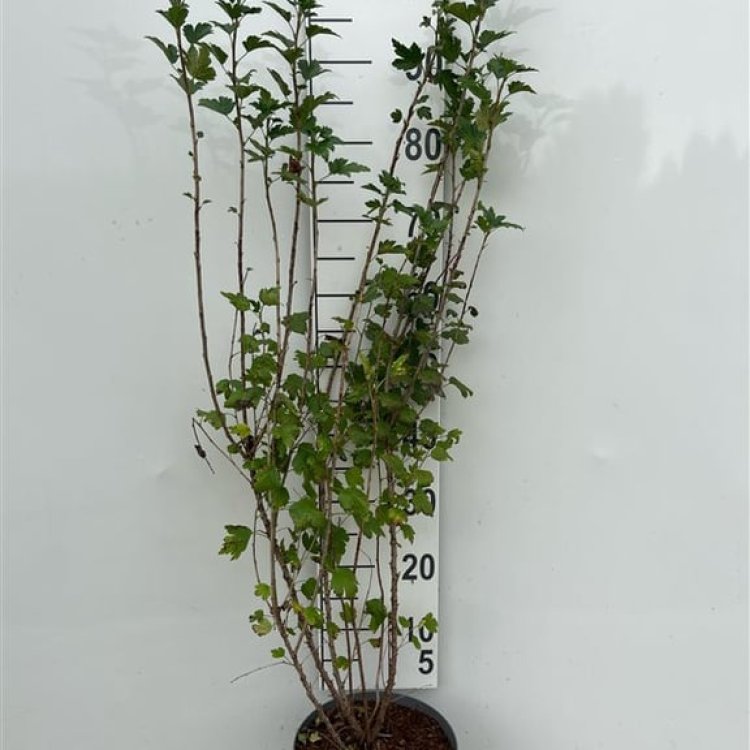
£40.93 – £52.11Price range: £40.93 through £52.11
Ribes alpinum, the Alpine Currant, is a tough, adaptable deciduous shrub with bright green leaves and small berries. Ideal for hedges or borders, it thrives in sun or shade, offering garden resilience and wildlife appeal.
58 in stock
Discover Ribes alpinum, the resilient Alpine Currant, a superb choice for gardeners seeking an adaptable, low-maintenance shrub perfect for UK landscapes.
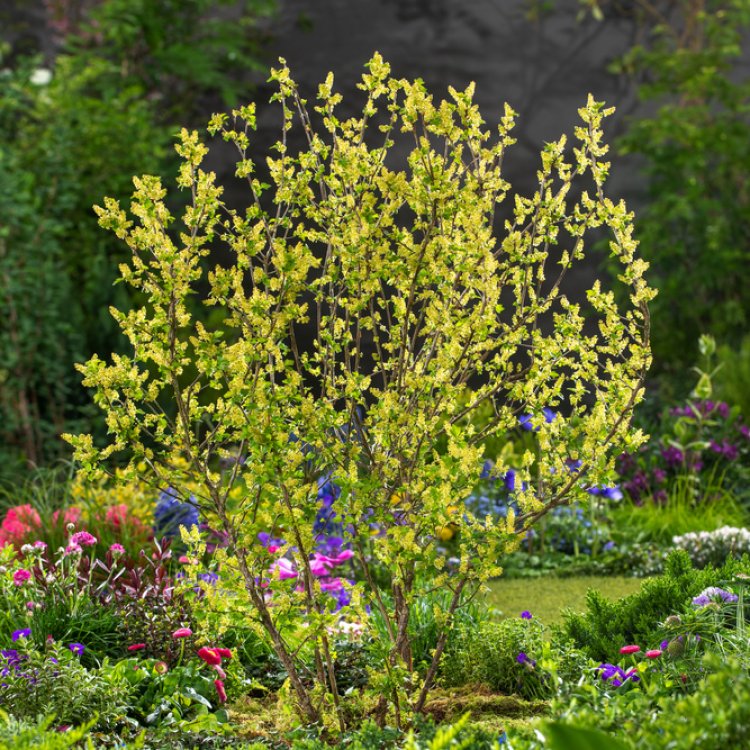
Ribes alpinum, commonly known as Alpine Currant or Mountain Currant, is a hardy and versatile deciduous shrub. It thrives in a range of conditions, making it an excellent addition to many UK gardens. Originating from the mountains of Europe and Asia, this plant offers dense foliage and a robust nature. Gardeners value it for its ability to form effective hedges and provide ground cover. Its adaptability truly makes it a garden favourite.
Ribes alpinum, often called Alpine Currant, is a member of the Grossulariaceae family. Its name, ‘Ribes’, likely comes from an ancient Arabic word for a sour-juiced plant. The ‘alpinum’ epithet simply means ‘of the Alps’, reflecting its natural habitat in mountainous regions. This plant is well-suited to the UK climate, easily adapting to local conditions. Its tough nature makes it a reliable choice for challenging spots in the garden.
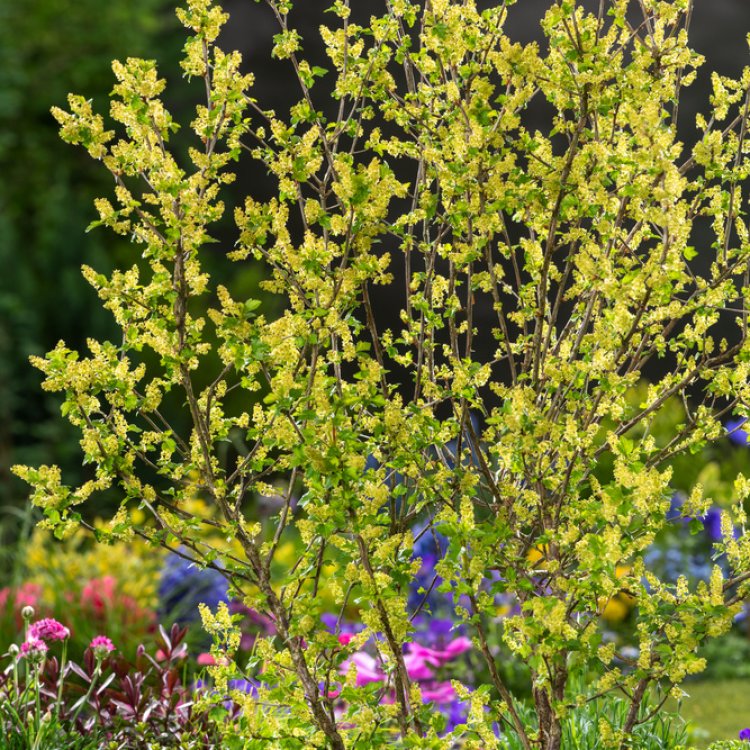
This versatile shrub displays small, bright green, three-lobed leaves. These leaves emerge in spring, providing a fresh, vibrant look throughout the growing season. As autumn arrives, the foliage offers gentle yellow tints before falling. While Ribes alpinum produces flowers, they are typically inconspicuous.
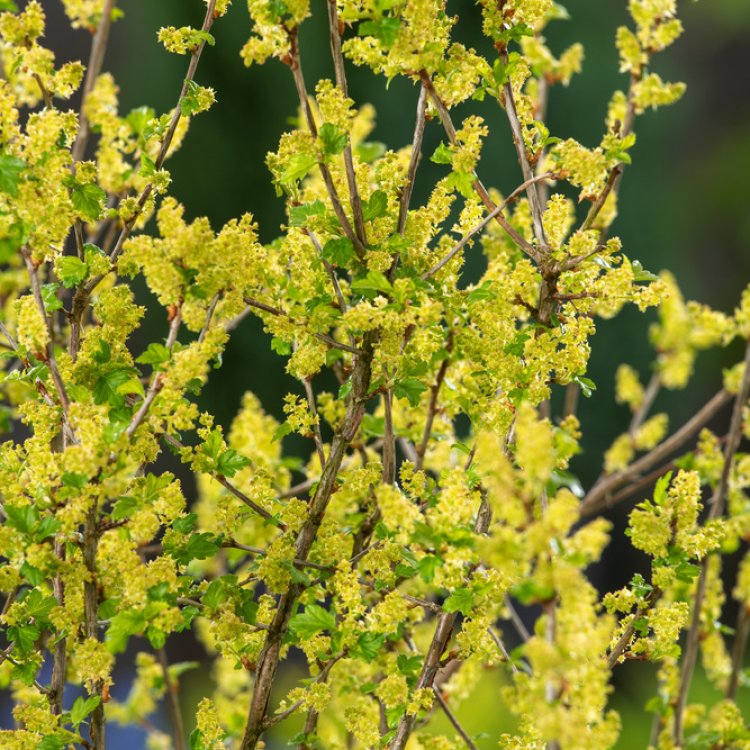
Small, greenish-yellow blooms appear in April and May, attracting early pollinators like bees. Following these modest flowers, tiny red berries develop. These berries, though edible, are rather insipid for human taste. However, they serve as a valuable food source for various birds.
Alpine Currant is a highly practical plant for many garden designs. It excels as a low-growing hedge, creating defined boundaries. It also works well as a screening plant, providing a dense green barrier. Ribes alpinum can stabilise banks and slopes, preventing soil erosion. Plant it beneath larger trees in dry shade, or use it to edge borders. Its dense growth also suits formal parterres.
Maintaining the shape of Ribes alpinum is straightforward. Prune it after spring flowering to keep it tidy or encourage denser growth. Regular trimming promotes a fresh appearance. This plant also supports wildlife. Its early spring flowers offer nectar and pollen for bees. Later, small red berries provide food for birds, enhancing garden biodiversity.
Very hardy. Tolerates temperatures typical of a continental winter.
Ribes alpinum is a low-maintenance shrub. Water regularly during dry periods, especially young plants, until established. Feeding is generally not essential, but applying a balanced granular fertiliser in spring can encourage vigorous growth. Prune after flowering in late spring or early summer to maintain shape, control size, or promote denser foliage for hedging. Remove any old, weak, or crossing stems to improve air circulation. This plant is largely trouble-free, with good resistance to most common pests and diseases in UK gardens. It is fully hardy and requires no special winter protection.
This plant is deciduous so it will lose all of its leaves in the autumn and get fresh new foliage each spring.