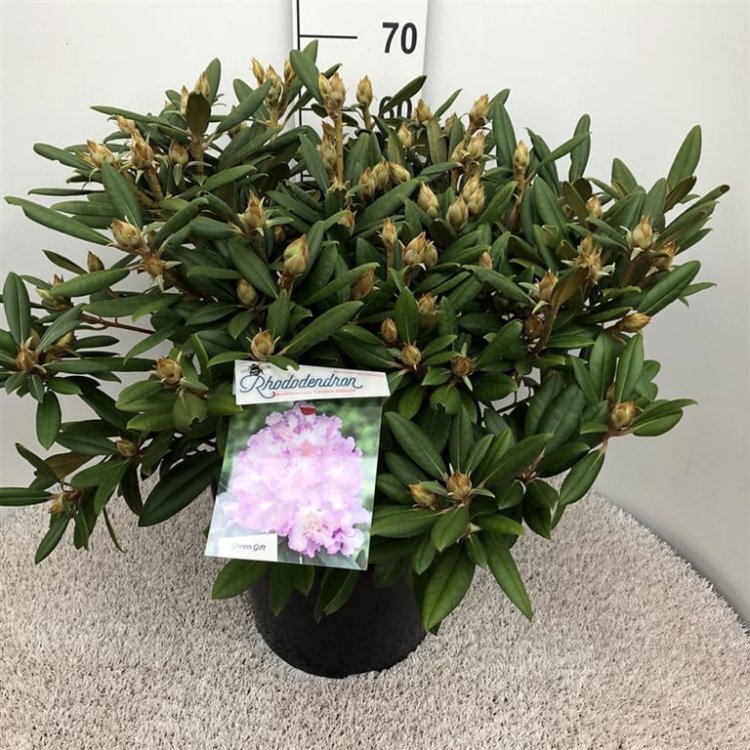

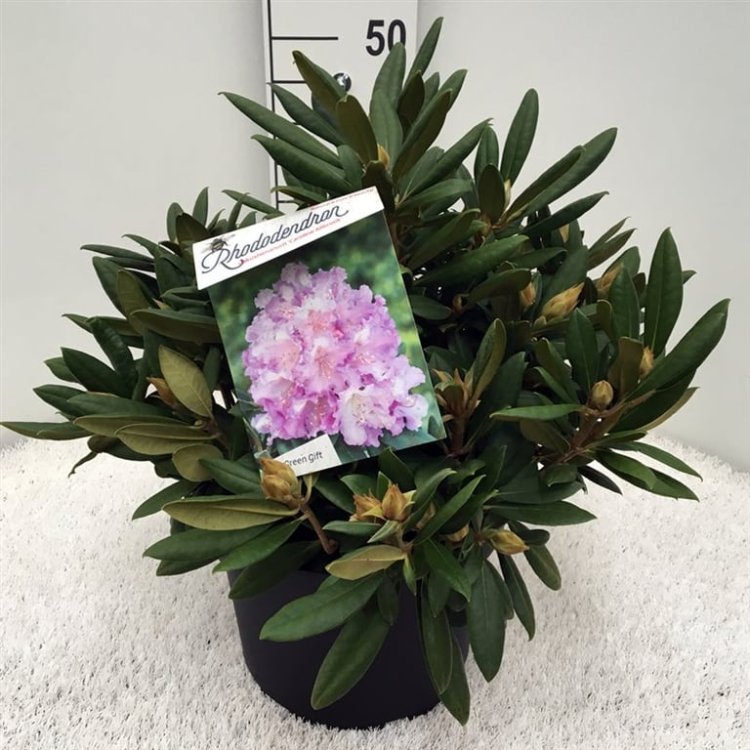
£16.49 – £18.85Price range: £16.49 through £18.85
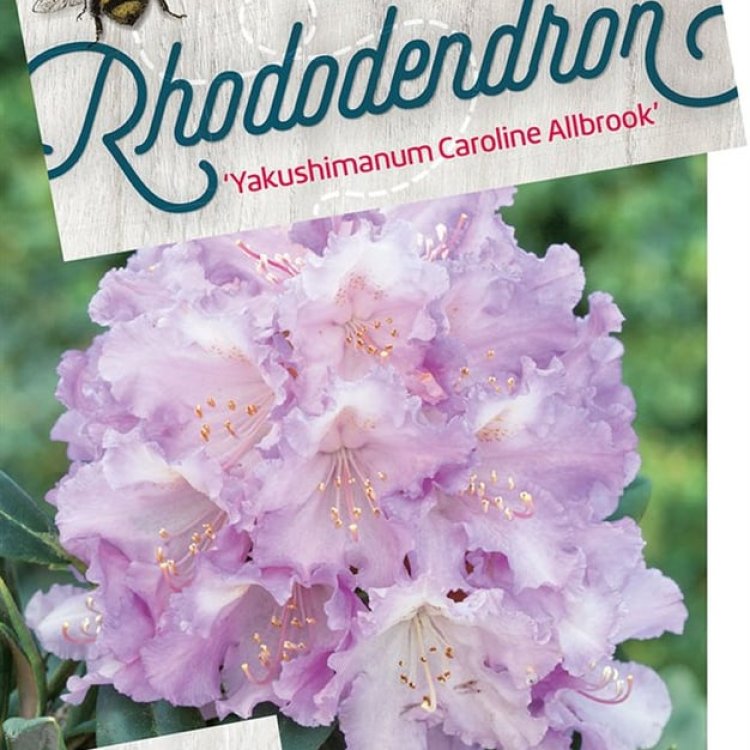
Rhododendron (Y) ‘Caroline Allbrook’ is a magnificent evergreen shrub, showcasing stunning mauve-pink flowers with a darker blotch in late spring. Ideal for UK gardens, its glossy foliage offers year-round beauty and attracts pollinators like bees.
350 in stock
Discover Rhododendron (Y) ‘Caroline Allbrook’
Rhododendron (Y) ‘Caroline Allbrook’ presents an outstanding display. This evergreen shrub thrives in UK gardens, offering beauty and robust growth.
A true garden classic, Rhododendron (Y) ‘Caroline Allbrook’ brings vibrant colour to your landscape. This superb hybrid cultivar is highly valued for its striking blooms and elegant evergreen foliage. It creates a magnificent focal point or enhances mixed borders with its sophisticated charm. Many gardeners appreciate its reliable nature and impressive floral show each spring.
Key Features of ‘Caroline Allbrook’
The Unique Charm of Rhododendron (Y) ‘Caroline Allbrook’ Blooms
Named in honour of Caroline Allbrook, this Rhododendron cultivar is a testament to dedicated horticulture. Its exceptional beauty derives from the large, exquisite flowers. These trumpet-shaped blooms emerge in magnificent trusses during late spring and early summer.
Each flower presents a delicate mauve-pink hue, often adorned with an attractive deeper reddish-brown blotch in the throat. This intricate detail adds depth and visual interest to the overall floral display.
Evergreen Foliage and Garden Use
Beyond its remarkable flowers, Rhododendron (Y) ‘Caroline Allbrook’ boasts superb evergreen foliage. The leathery, dark green leaves provide a consistent backdrop of rich colour throughout the year. They offer structure and form even when the plant is not in bloom. This ensures your garden retains its beauty across all seasons. Consequently, it is a perfect choice for adding enduring green to your outdoor space.
Gardeners frequently integrate this magnificent shrub into various designs. It makes a superb specimen plant, capturing attention with its grand scale and prolific flowering.
Furthermore, it excels when planted in groups within woodland gardens. Here, its natural vigour allows it to flourish, complementing other acid-loving plants. It also serves effectively as an informal hedge, providing privacy and a vibrant burst of colour.
Growth and Maintenance for Rhododendron ‘Caroline Allbrook’
Rhododendron (Y) ‘Caroline Allbrook’ typically reaches an ultimate height and spread of around 2.5 metres. Its average growth rate allows it to establish well without becoming unruly too quickly. Pruning is generally minimal, focused on removing spent flower heads.
This process, known as deadheading, encourages the plant to put energy into forming new growth and flower buds for the following season. Light formative pruning can occur after flowering to maintain a desirable shape.
Supporting Wildlife with Rhododendron ‘Caroline Allbrook’
The striking blooms are not only a feast for the eyes but also a magnet for local wildlife. Bees, drawn by the vibrant colours and nectar-rich flowers, frequently visit. This makes Rhododendron (Y) ‘Caroline Allbrook’ a beneficial addition for supporting garden biodiversity. Ultimately, this plant offers both aesthetic appeal and ecological value, enriching any UK garden it graces.
Hardy in all of the UK and northern Europe. Suitable for exposed sites.
Rhododendron (Y) 'Caroline Allbrook' thrives in acidic, well-drained soil, preferably in partial or dappled shade, sheltered from harsh winds and intense afternoon sun. Water regularly, especially during dry spells and when establishing, ensuring the soil remains consistently moist but not waterlogged. Mulch annually with ericaceous compost or well-rotted bark chips to help retain moisture, suppress weeds, and maintain the necessary soil acidity. Deadhead spent flowers carefully to encourage more blooms and maintain a tidy appearance. Prune lightly after flowering to remove any damaged or unruly branches or to maintain a desired shape and size; avoid heavy pruning into old wood. Feed with a specific ericaceous fertiliser in early spring to support healthy growth and prolific flowering.