£2.41 – £3.82Price range: £2.41 through £3.82
Rheum rhabarbarum, commonly known as rhubarb, is a robust perennial. It offers delicious, tart edible stalks and boasts a striking architectural presence in UK gardens. Its large leaves and vibrant stems provide culinary and ornamental value.
957 in stock
Discover Rheum rhabarbarum, commonly known as rhubarb, a robust perennial prized for its delicious, tart stalks and striking garden presence.
Rhubarb brings a delightful tang to many British desserts. This versatile plant, Rheum rhabarbarum, thrives in UK gardens, offering both culinary delights and an impressive architectural display. Its large, lush leaves and vibrant stems create a bold visual impact. Gardeners value this hardy perennial for its generous yields and straightforward cultivation, making it a staple in many home plots. Indeed, its unique flavour profile makes it a highly sought-after ingredient.
Rheum rhabarbarum, commonly known as rhubarb, traces its origins back to Asia, specifically Siberia and China. Traders introduced this valuable plant to Europe many centuries ago. The genus name ‘Rheum’ likely derives from the ancient Greek word ‘rha’ or ‘rheo’, possibly referencing the Volga River where a species of rhubarb grew. Furthermore, ‘rhabarbarum’ points to its exotic, ‘barbarian’ origins, distinguishing it from native European plants.
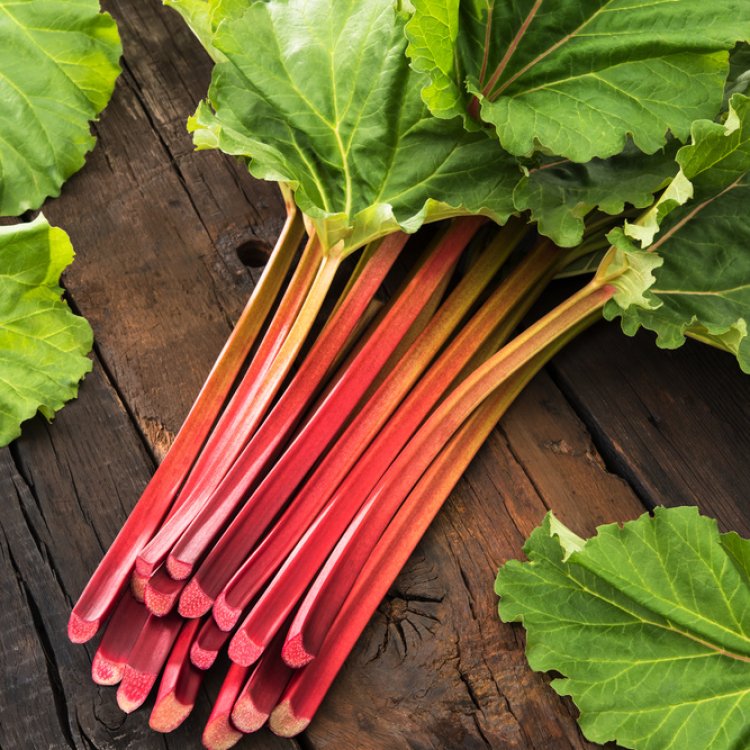
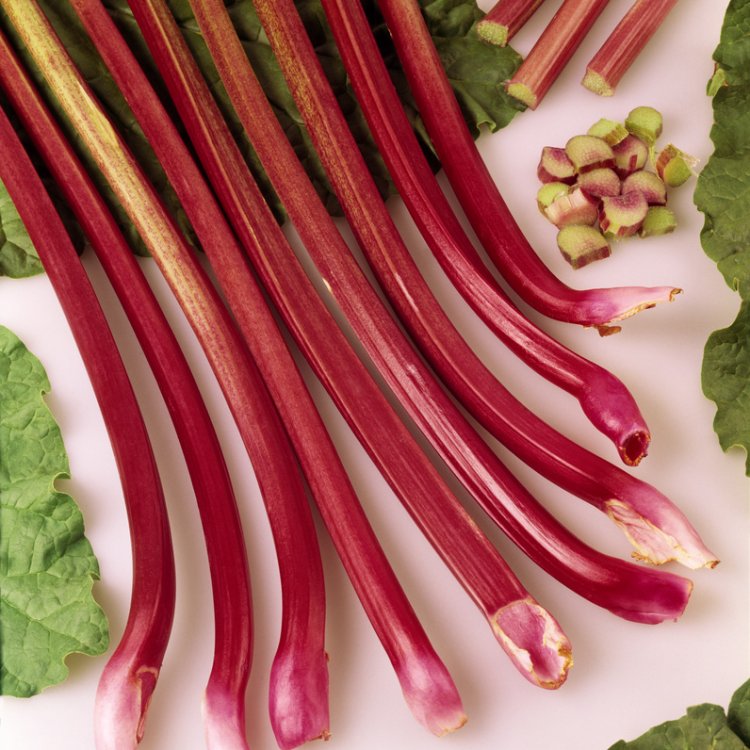
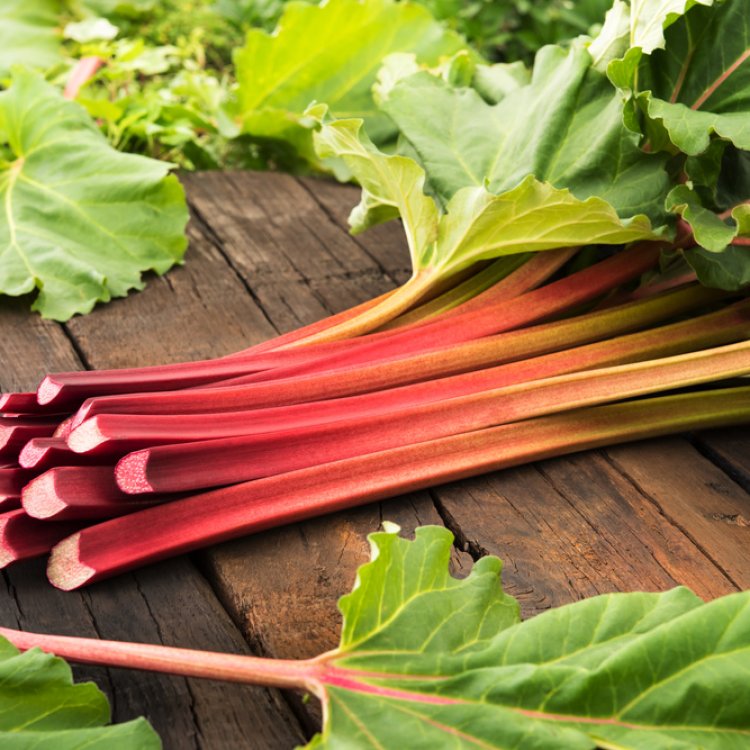
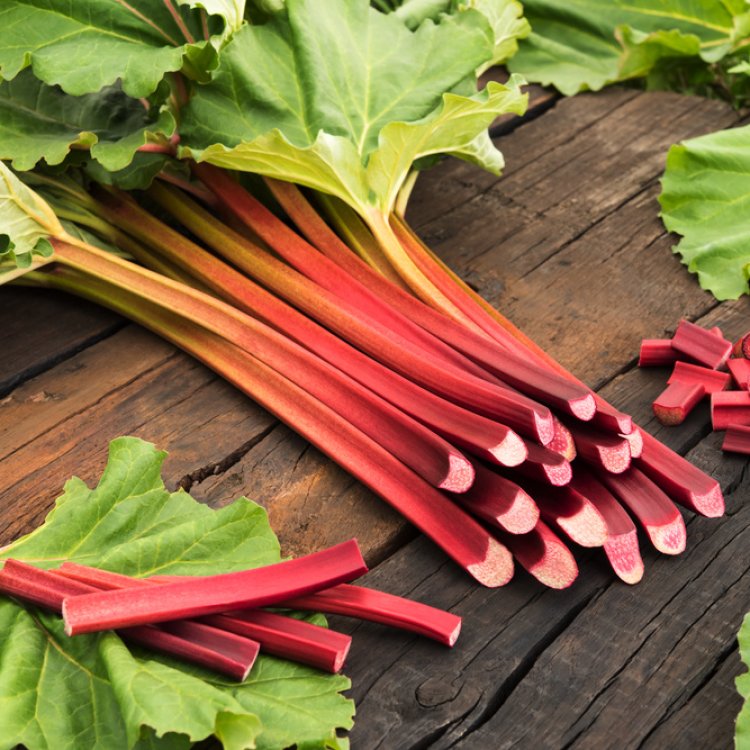
This magnificent plant produces substantial, vibrant green leaves. These leaves possess a crinkled texture, creating a rich canopy. While the foliage itself is striking, it is the fleshy leaf stalks, or petioles, that gardeners harvest. These stalks vary in colour from bright green to deep crimson, depending on the cultivar. For instance, popular varieties like ‘Victoria’ or ‘Timperley Early’ show wonderful red hues. Mature plants can also send up tall, stately flower stalks during late spring to early summer. These stalks bear clusters of small, creamy-white or sometimes pinkish blooms. Although the flowers attract beneficial insects like bees, most gardeners remove them. This practice helps direct the plant’s energy into producing more succulent stalks. Ultimately, it ensures a better harvest.
Rhubarb offers excellent versatility in the garden. It works perfectly in traditional kitchen gardens or allotments, providing delicious produce. However, its bold foliage and architectural presence also allow it to function as an ornamental specimen. Plant Rheum rhabarbarum at the back of a border for dramatic effect, where its large leaves can truly shine. Its robust nature means it establishes quickly, becoming a long-term feature in your landscape.
Maintaining your rhubarb plant is quite simple. Gardeners do not typically prune or shape Rheum rhabarbarum beyond the harvesting of its stalks. You simply pull or cut the mature stalks from the base as needed throughout the growing season. This encourages further growth. Removing the flower stalks, known as ‘bolting’, is an important task. This prevents the plant from expending energy on seed production. Instead, it strengthens its roots and develops more edible stems. While the flowers, if left, do provide a nectar source for pollinators such as bees and other beneficial insects, harvesting remains the primary goal for most growers.
The plant’s vigorous growth makes it a rewarding addition to any garden. Thus, it remains a beloved choice for both new and experienced gardeners across the UK.
Hardy in the harshest UK conditions and below. Suitable for mountain regions.
This plant is deciduous so it will lose all of its leaves in the autumn and get fresh new foliage each spring.