£3.02 – £4.43Price range: £3.02 through £4.43
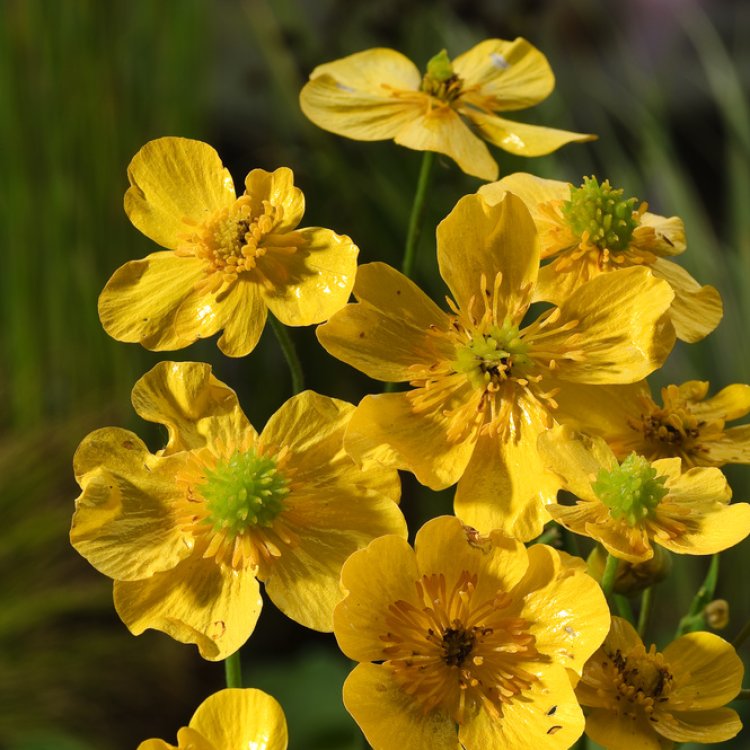
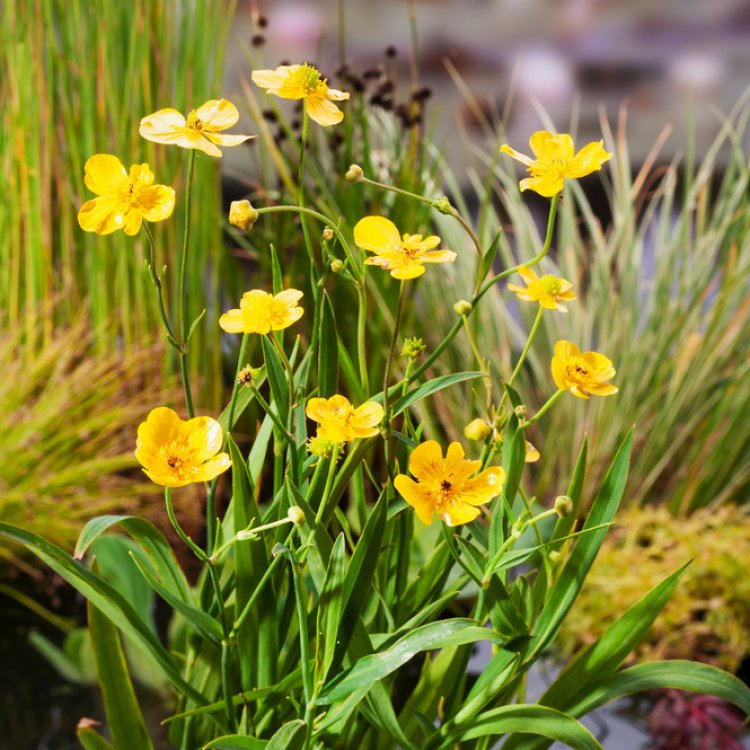
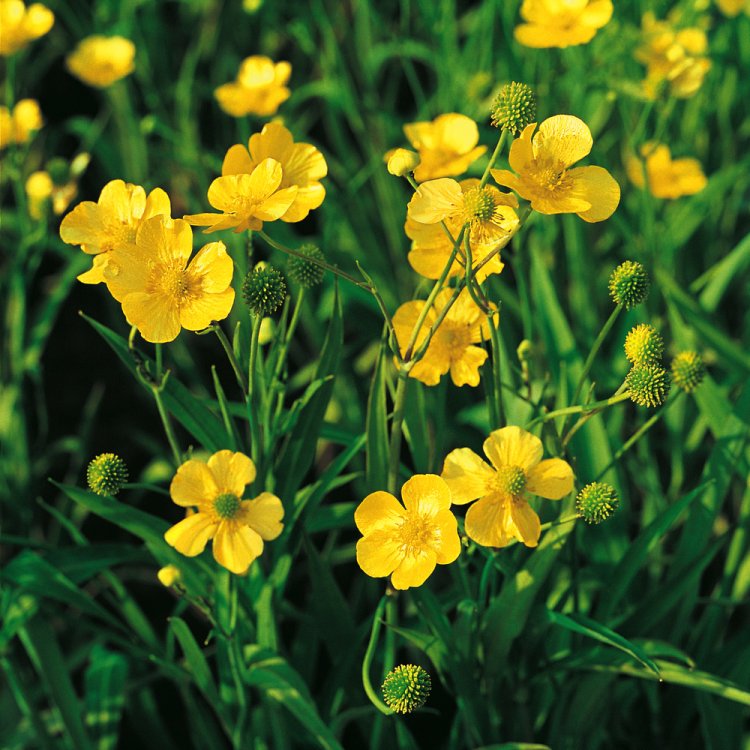
Ranunculus lingua, or Greater Spearwort, is a stunning native UK aquatic plant. It displays vibrant, glossy yellow flowers and spear-shaped leaves, perfect for pond margins or bog gardens. This plant attracts beneficial pollinators, adding beauty and ecological value to your garden.
293 in stock
Discover Ranunculus lingua, also known as Greater Spearwort, a stunning native aquatic plant perfectly suited for UK garden ponds and boggy areas. This striking perennial brings vibrant life to wetland landscapes. Its cheerful yellow blooms and unique foliage create a captivating sight throughout summer. Renowned for thriving in damp conditions, Ranunculus lingua enriches both ornamental and wildlife-friendly gardens. Historically, the genus name “Ranunculus” comes from the Latin “rana,” meaning frog, due to these plants often growing near water. The species epithet “lingua” refers to the spear-like shape of its distinctive leaves.
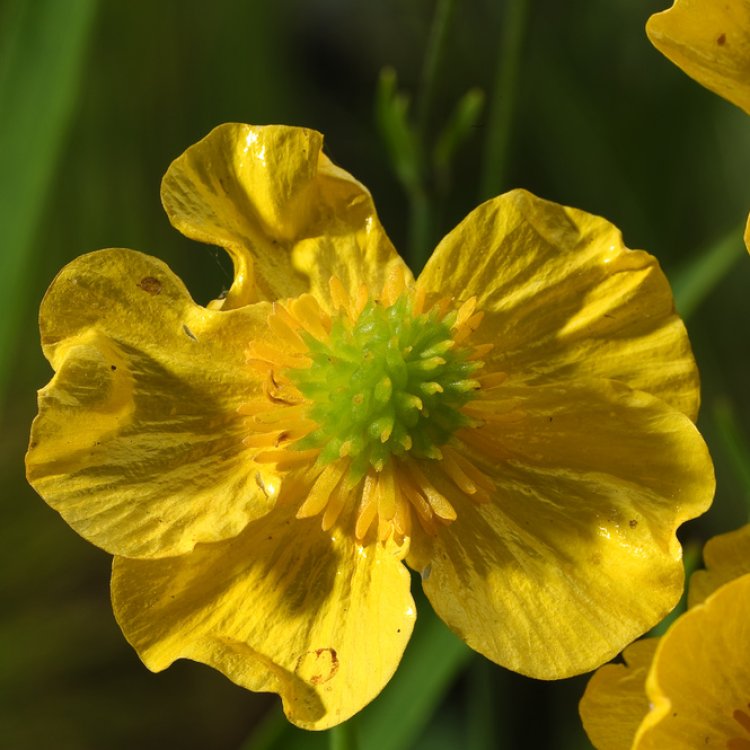
Ranunculus lingua truly captivates with its brilliant flowers. Each bloom is a generous size, showing off a deep, sunny yellow hue. Furthermore, their glossy texture makes them sparkle, especially when bathed in sunlight. These vibrant cups emerge on tall, sturdy stems, creating an impressive vertical accent in any water feature. Alongside its lovely flowers, the foliage of Greater Spearwort offers significant appeal. The leaves are distinctively lance-shaped, or spear-like, which gives the plant its common name. They present a fresh, bright green colour, adding to the plant’s overall healthy appearance. These leaves emerge from the water, forming a lush backdrop for the sunny blooms.
This particular Ranunculus thrives in consistently wet soil or shallow water. Thus, it is an excellent choice for bog gardens, pond edges, or naturalistic wetland areas across the UK. It naturally colonises damp spots, adding a touch of wild beauty. Its presence helps create a diverse ecosystem within your garden. Moreover, Ranunculus lingua provides an essential resource for local wildlife. Its open, nectar-rich flowers draw in bees, hoverflies, and other beneficial insects. Therefore, planting Greater Spearwort contributes to biodiversity, supporting your garden’s ecological balance. This plant offers both visual charm and vital environmental benefits.
Growing Ranunculus lingua requires little ongoing intervention once established. It generally maintains its form well, needing no specific pruning for shape. However, you might choose to trim back spent flower stems to encourage tidiness, or remove old foliage at the season’s end. This plant is a fantastic addition for those wanting to add a vibrant, low-care native to their water garden.
Very hardy. Tolerates temperatures typical of a continental winter.
Plant Ranunculus lingua in consistently wet soil or in shallow water, up to 30cm deep. It requires minimal ongoing maintenance once established. Deadhead spent flowers to maintain appearance and encourage further blooming, or allow them to set seed. Cut back old foliage in late autumn or early spring to tidy the plant. This species can be quite vigorous; divide clumps every few years to control spread and maintain plant health.