£18.20 – £20.56Price range: £18.20 through £20.56
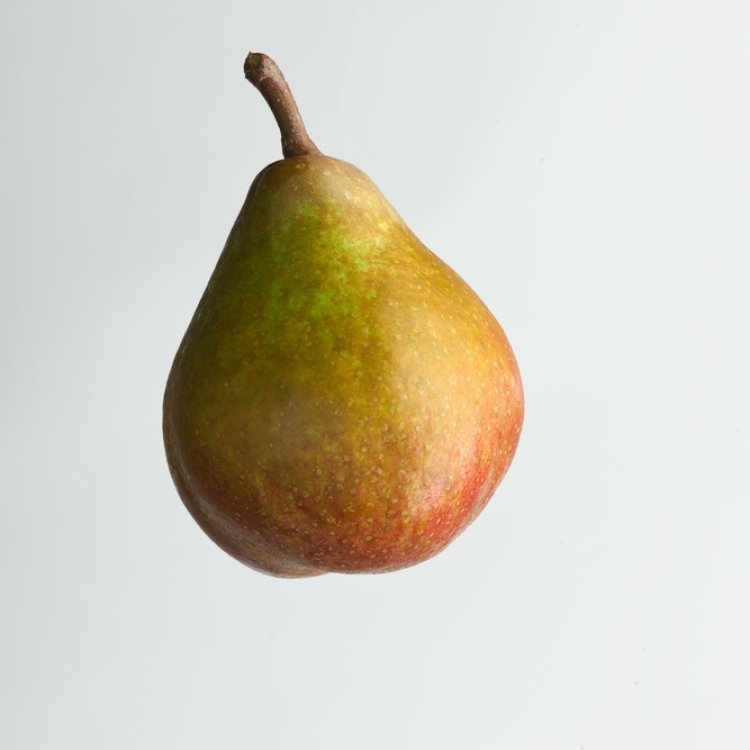
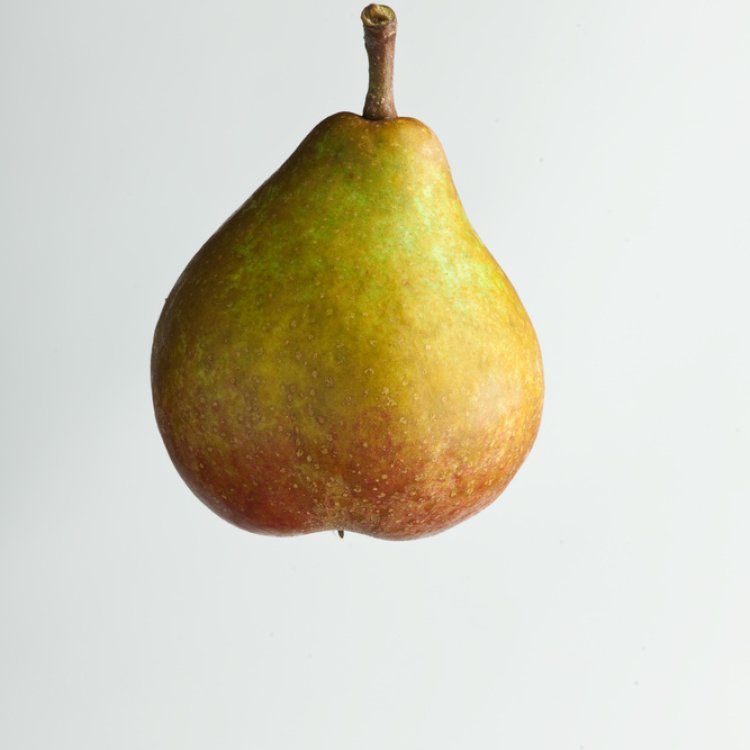
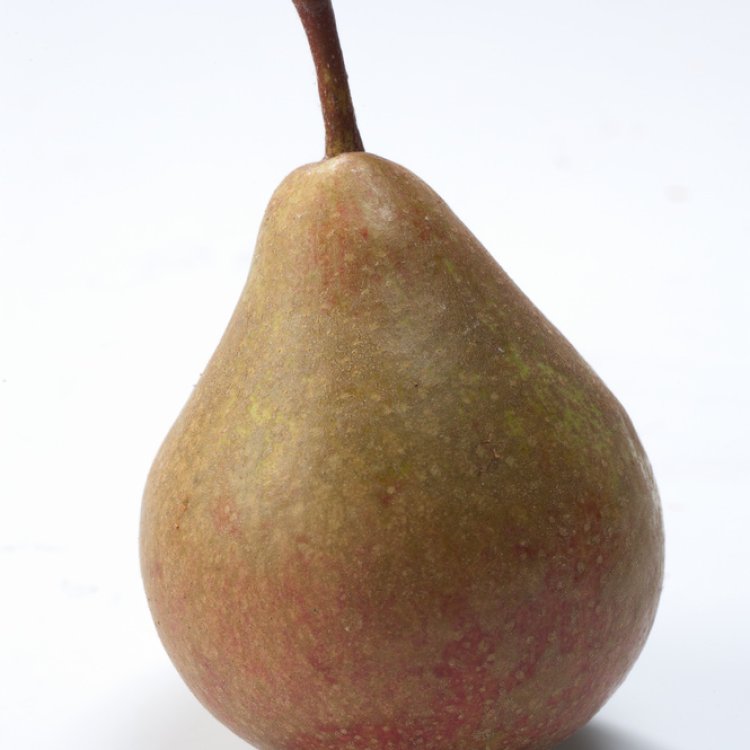
Pyrus communis ‘Gieser Wildeman’ is a robust stewing pear, perfect for UK gardens. Enjoy delicate white spring blossoms and abundant harvests of green fruits. These transform into delicious, tender pears when cooked.
1000 in stock
Discover Pyrus communis ‘Gieser Wildeman’, a truly robust and rewarding stewing pear tree, perfect for adding delicious fruit and ornamental beauty to UK gardens.
This exceptional culinary pear offers a unique gardening experience. It originated from the Netherlands in the 19th century. Its small, hard green fruits transform into a delightful, tender dessert when cooked. This particular cultivar brings seasonal charm to any outdoor space. It displays pretty spring blossoms and vibrant autumn leaves. Gardeners truly value its reliability and delicious harvest.
The Pyrus communis ‘Gieser Wildeman’ cultivar stands out as a superb stewing pear. When raw, its fruits are firm and quite tart. However, cooking unlocks their sweet, tender texture and rich flavour. This transformation makes them a favourite for traditional recipes, often stewed with a hint of spice. Its Dutch heritage speaks to centuries of careful cultivation and appreciation. This hardy pear tree provides a bountiful harvest, enriching your kitchen with homegrown produce.
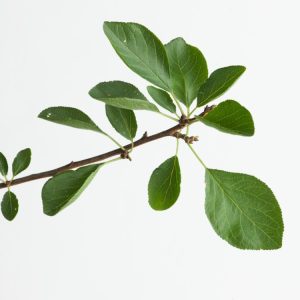
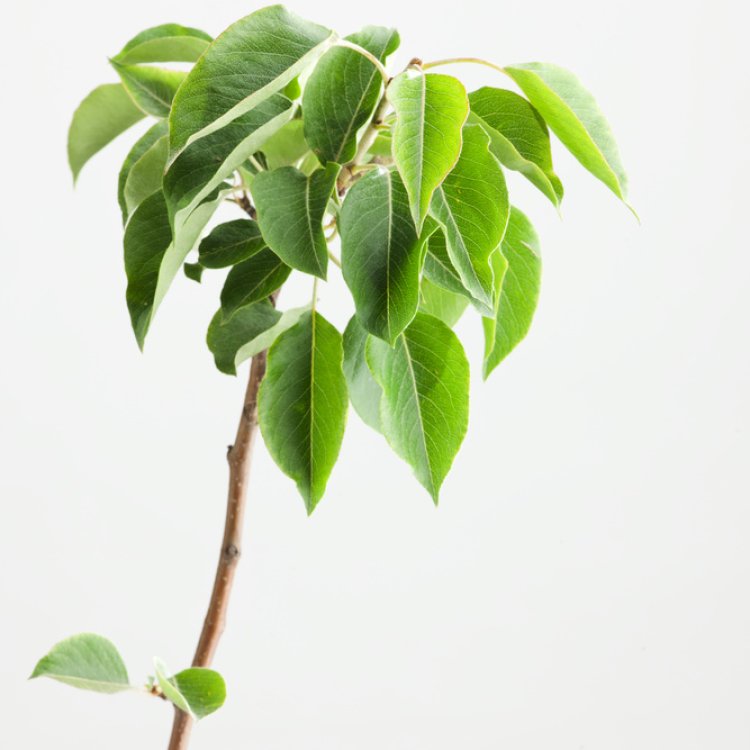
This deciduous pear tree offers much more than fruit. In early spring, Pyrus communis ‘Gieser Wildeman’ bursts into life with delicate white flowers. These charming blossoms brighten the garden. They also provide an early food source for bees and other beneficial insects. Later, its oval, mid-green leaves create a dense canopy. As autumn arrives, these leaves beautifully transition, turning lovely shades of yellow.
This provides continued interest throughout the year, adding colour and texture to your outdoor space.
Pyrus communis ‘Gieser Wildeman’ adapts well to various garden settings. You can grow it as a stately orchard tree. Alternatively, train it as an elegant espalier against a wall. It also suits cordon forms in smaller spaces. Proper pruning is important for this variety. This practice maintains good shape and ensures abundant fruiting.
Pears are generally welcome additions to wildlife-friendly gardens. Indeed, its spring flowers attract pollinators, supporting biodiversity. This vigorous tree proves a rewarding long-term investment for any gardener. Its delightful pears and seasonal display make it a cherished plant.
Very hardy. Tolerates temperatures typical of a continental winter.
Pruning is crucial for fruit production and maintaining shape. Perform winter pruning to encourage fruit spurs and summer pruning to control vigour. Ensure regular watering, particularly during dry spells and when the tree is establishing. Apply a balanced fertiliser in early spring to support healthy growth and fruit development. While Pyrus communis 'Gieser Wildeman' is partially self-fertile, planting another compatible 'Pyrus communis' pollinator from Group B or C (e.g., 'Conference' or 'Concorde') nearby significantly improves yields. Monitor for common pear pests like aphids and diseases such as pear scab and canker, taking appropriate action as needed.
This plant is deciduous so it will lose all of its leaves in the autumn and get fresh new foliage each spring.