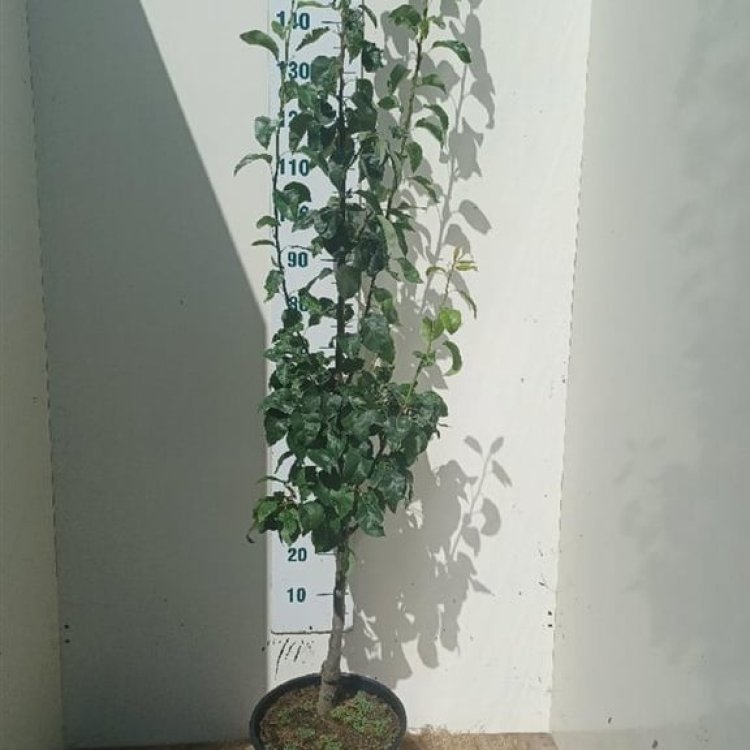
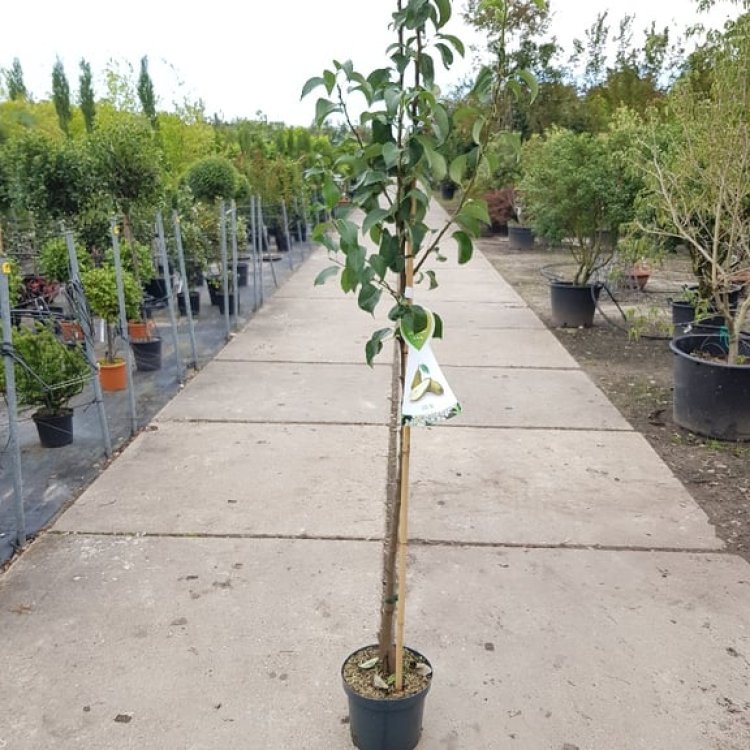
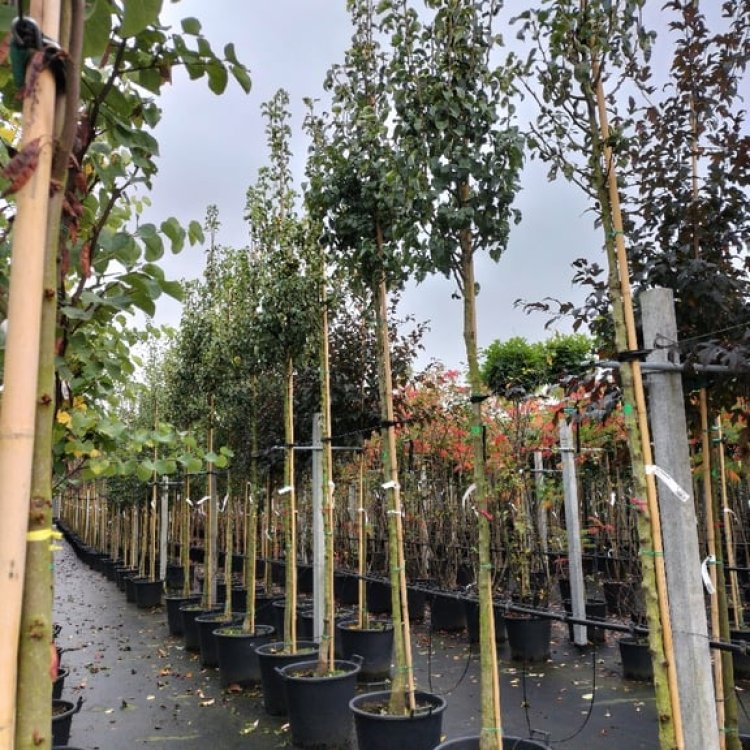
£18.20 – £20.56Price range: £18.20 through £20.56
Discover Pyrus communis ‘Conference’, the much-loved British pear, offering reliable crops of sweet, juicy fruit. Perfect for eating fresh or cooking, this hardy tree thrives in UK gardens, gracing them with spring blossoms and delicious autumn harvests.
2999 in stock
Discover Pyrus communis ‘Conference’, a superb British pear, celebrated for reliable crops and delicious fruit, perfect for any UK garden.
The ‘Conference’ pear is a much-loved fruit tree, cherished by gardeners across the United Kingdom. Originating in Hertfordshire, this outstanding cultivar earned its famous name after winning a top prize at the National British Pear Conference in 1885. It is celebrated for its ease of cultivation and consistent yield of sweet, juicy pears. Thus, it makes a fantastic choice for both novice and experienced growers. This heritage variety truly thrives in the British climate.
Pyrus communis ‘Conference’ boasts a rich history rooted deeply in British horticulture. This distinguished pear cultivar first emerged from Thomas Francis Rivers’ nursery in Sawbridgeworth, Hertfordshire. Its exceptional qualities quickly gained recognition. This culminated in its triumphant award at the prestigious National British Pear Conference in London. This pivotal moment forever linked its name with that significant event. Consequently, the ‘Conference’ pear swiftly became a household favourite.
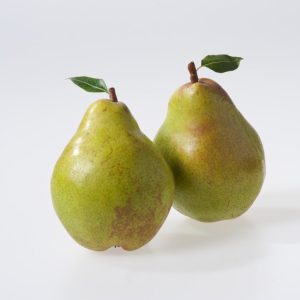
Gardeners often appreciate the unique appearance of the ‘Conference’ pear fruit. They are typically elongated with a distinct bottle-neck shape. Their skin colour starts green, maturing to a yellowish-green, often with subtle russeting. This characteristic texture adds to their appeal. Inside, the flesh is wonderfully sweet and juicy, offering a delightful eating experience. Furthermore, the tree produces attractive white flowers each spring. These blossoms bring beauty to the garden.
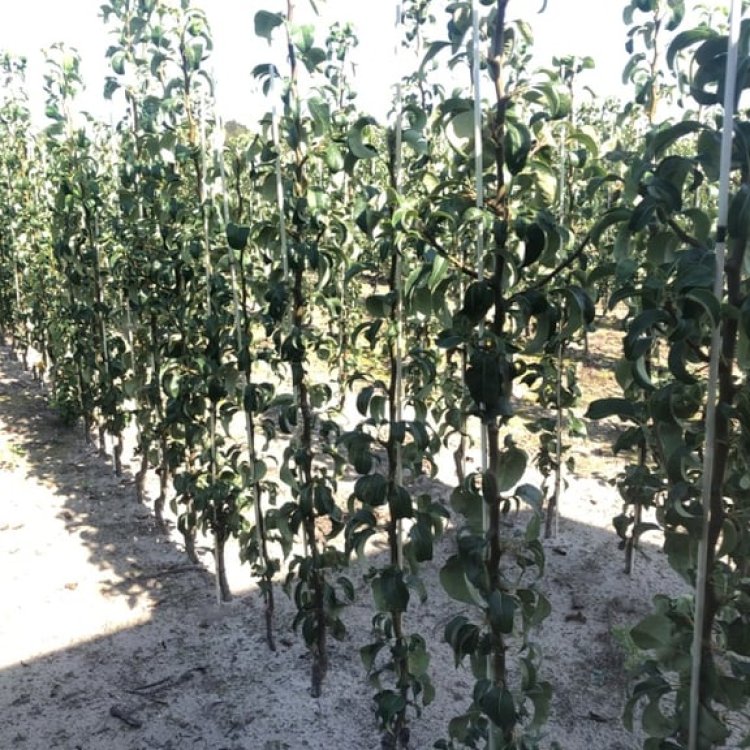
This versatile fruit tree adapts well to various garden settings. You can train it as a bush, cordon, or espalier. Such training allows for diverse garden designs. Pruning helps shape the plant and encourages better fruit production. Removing dead or diseased wood maintains plant health. The white spring flowers of Pyrus communis ‘Conference’ also provide an important early food source for pollinating insects. Bees and other beneficial wildlife actively seek out these blooms, making your garden more vibrant.
Harvesting ‘Conference’ pears typically occurs in late September to early October across the UK. These delicious pears are exceptional when eaten fresh straight from the tree. Their natural sweetness and crisp texture make them a popular choice. Beyond fresh consumption, they also perform beautifully in various culinary applications. You can poach them, bake them, or include them in desserts. The reliable yield ensures a plentiful supply for all your autumnal recipes.
Very hardy. Tolerates temperatures typical of a continental winter.
Pyrus communis 'Conference' requires regular watering, especially during establishment and dry periods. Feed annually in spring with a balanced fertiliser. Prune in winter for structure and fruit production, and lightly in summer to manage growth and light penetration. Monitor for common pear diseases like scab and canker. While self-fertile, yield improves with a pollinator. Harvest typically occurs from late September to early October when fruit is firm but easily detaches. Store in a cool, dark place.
This plant is deciduous so it will lose all of its leaves in the autumn and get fresh new foliage each spring.