£7.74 – £8.44Price range: £7.74 through £8.44
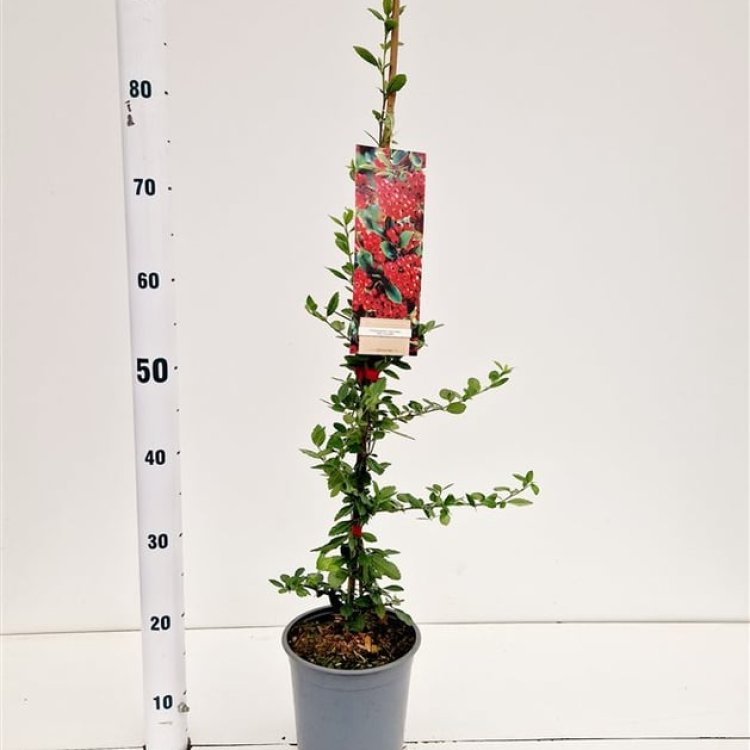
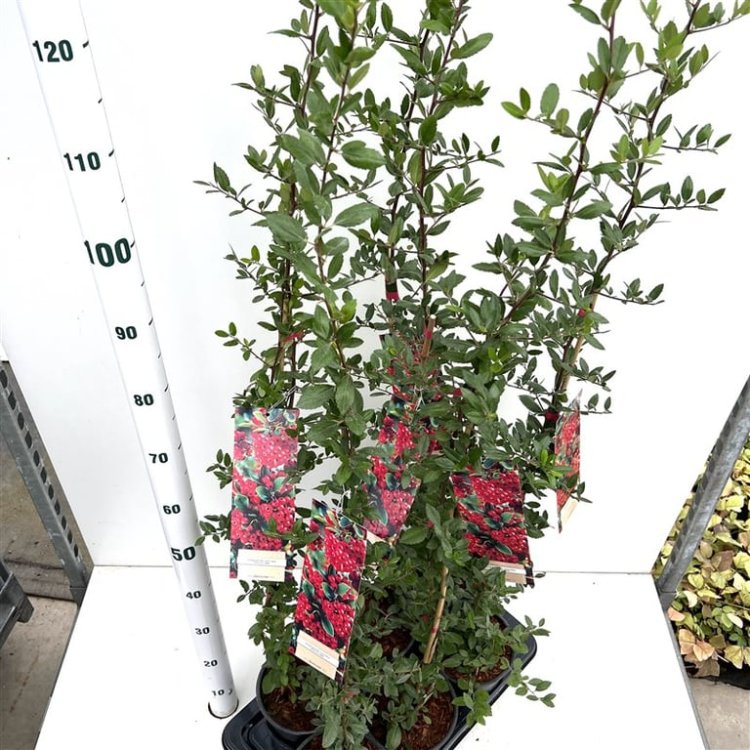
Pyracantha coccinea ‘Red Column’ is an evergreen Firethorn with vibrant scarlet berries that persist through winter, following creamy-white spring flowers. Its dense, thorny growth offers both garden beauty and effective security.
1828 in stock
Discover Pyracantha coccinea ‘Red Column’, an exceptional evergreen shrub celebrated for its vibrant red berries and effective security features throughout the UK garden.
This resilient plant, often simply called Firethorn, offers year-round interest and robust performance. Gardeners appreciate its dense structure, which provides excellent cover and a splash of colour even in winter. It adapts well to many garden styles, offering both beauty and practical benefits. Pyracantha coccinea ‘Red Column’ is a reliable choice for adding structure and attracting wildlife.
The name Pyracantha cleverly combines Greek words: “pyr” meaning fire, and “akanthos” meaning thorn. This perfectly describes the plant’s fiery berry display and its sharp, protective spines. Similarly, “coccinea” is Latin for scarlet, referencing its striking red fruits. ‘Red Column’ highlights this cultivar’s strong, upright growth and abundant production of scarlet berries. This Firethorn provides significant ornamental value. Its deep green leaves are oval and somewhat elongated, creating a lush backdrop for the seasonal changes.
In May and June, Pyracantha coccinea ‘Red Column’ bursts into life with delicate clusters of creamy-white flowers. These small blooms appear along the branches, drawing in many pollinating insects, especially bees. Following this floral display, the plant produces an impressive abundance of bright red berries. These berries develop through the summer and become a striking feature from early autumn, often persisting well into winter. They create a bold colour statement against the dark green foliage, adding warmth to the colder months.
Pyracantha coccinea ‘Red Column’ is a versatile plant, perfect for various roles in the UK garden. Its dense, thorny habit makes it an exceptional choice for security hedging, creating an almost impenetrable barrier. Furthermore, its pliable branches lend themselves well to training against walls or fences, forming elegant espaliers or informal wall shrubs. This plant also excels as a screen, quickly establishing to offer privacy. Beyond its aesthetic and practical uses, this Firethorn is a true wildlife magnet. Bees adore its spring flowers, collecting vital nectar. Birds, in particular, flock to the plant during autumn and winter, feeding on its nutrient-rich berries. The dense, thorny structure also provides safe nesting sites and shelter from predators, making it an invaluable addition for supporting local biodiversity.
This vigorous shrub responds very well to pruning, allowing gardeners to maintain its shape and size effectively. You can prune Pyracantha coccinea ‘Red Column’ to encourage a specific form, whether as a formal hedge or a trained espalier. Generally, prune after the flowering period to shape the plant and remove any unwanted growth. Alternatively, light pruning in late summer, once the berries have set, helps maintain tidiness without sacrificing the winter display. This adaptability makes it a popular choice for structured garden designs and more naturalistic plantings alike.
Very hardy. Tolerates temperatures typical of a continental winter.
Water regularly after planting until established, especially during dry spells. Prune after flowering in late spring or early summer to maintain shape and size. Feed with a general-purpose fertiliser in spring. Protect from severe winter winds in exposed locations when young.