£3.11 – £4.52Price range: £3.11 through £4.52
Pulmonaria longifolia ‘E.B. Anderson’ offers year-round charm with luminous silver-spotted foliage and vibrant early spring flowers. This versatile Lungwort brightens UK shaded gardens and attracts essential pollinators.
388 in stock
Pulmonaria longifolia ‘E.B. Anderson’ offers exceptional early spring colour and year-round interest, making it a stellar choice for UK shaded gardens.
Discover the enchanting Pulmonaria longifolia ‘E.B. Anderson’, also known as Lungwort, a delightful perennial that brings luminosity to the shadier corners of your garden. This exceptional cultivar is cherished for its striking foliage and charming, bee-friendly blooms. It truly excels in woodland settings or as a standout feature in mixed borders. Furthermore, its robust nature ensures it thrives in various conditions across the UK, providing enduring beauty from early spring onwards.
This particular cultivar, Pulmonaria longifolia ‘E.B. Anderson’, stands out with its remarkable characteristics. The genus name ‘Pulmonaria’ derives from the Latin ‘pulmo’, meaning lung, a reference to the plant’s traditional use in treating lung ailments and the resemblance of its spotted leaves to diseased lungs. ‘Longifolia’ simply highlights its distinctively long leaves. Furthermore, the ‘E.B. Anderson’ epithet celebrates Edward Bowles Anderson, a notable British plantsman and horticulturist, who either introduced or popularised this specific, highly ornamental form. It offers gardeners a reliable and visually appealing option.
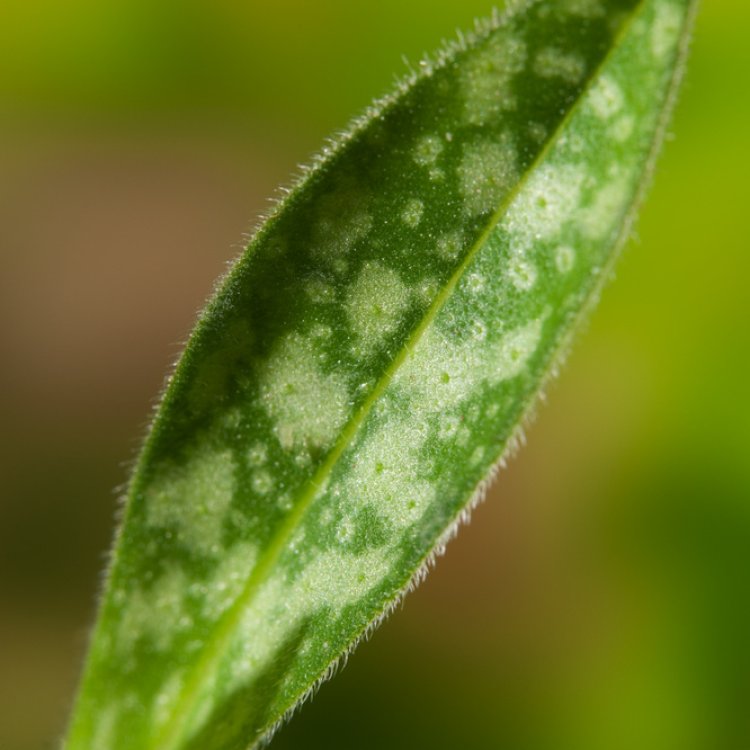
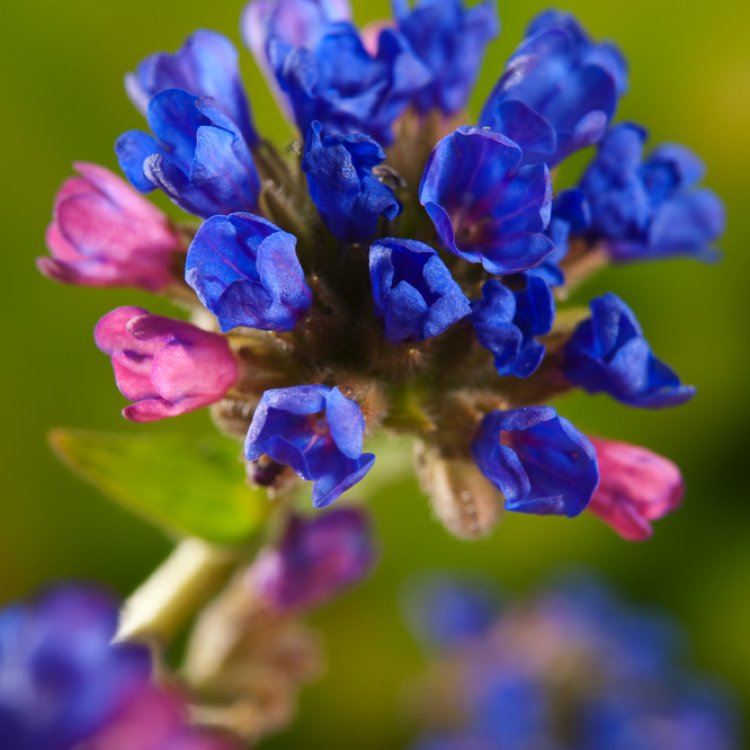
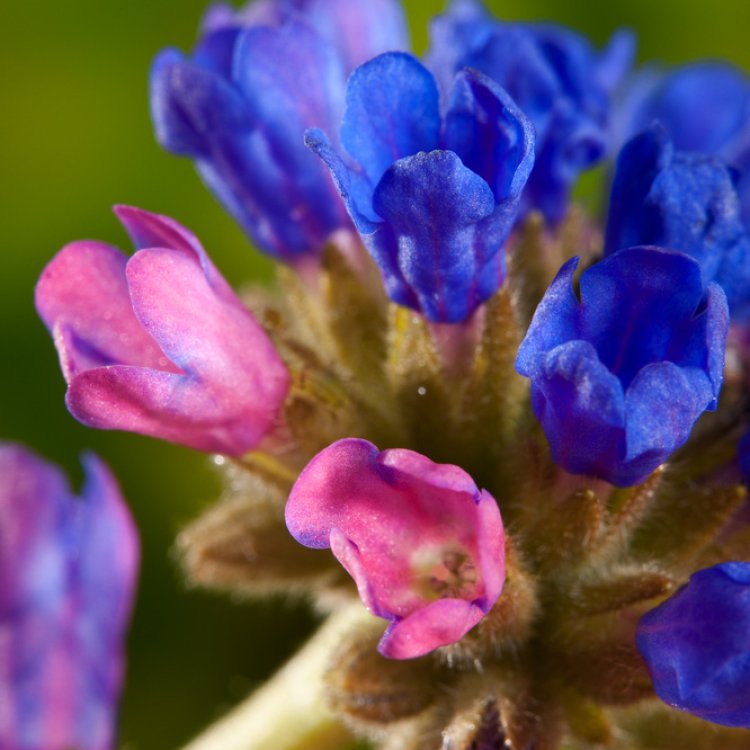
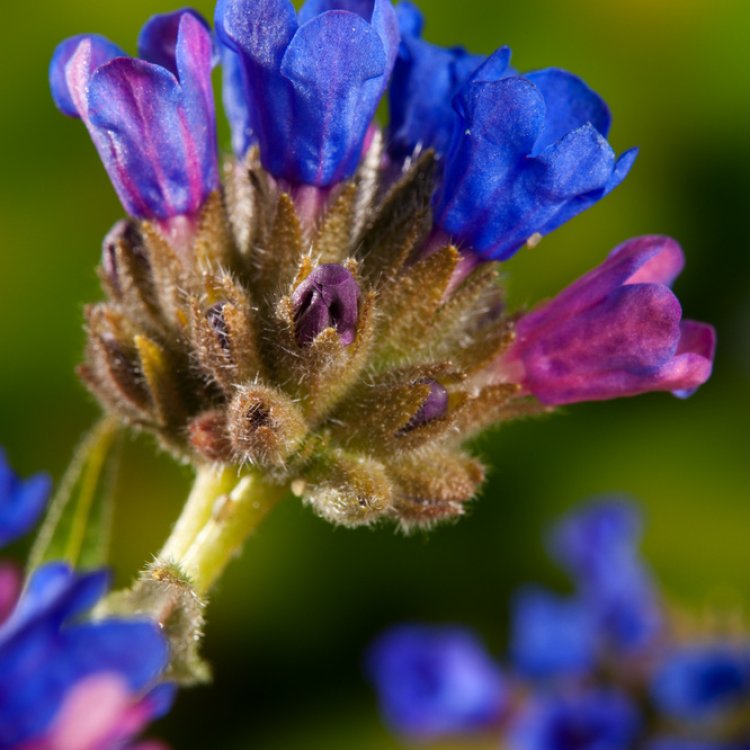
The primary appeal of Pulmonaria longifolia ‘E.B. Anderson’ often lies in its spectacular foliage. Its long, slender, dark green leaves are heavily adorned with silvery spots and streaks, creating a luminous effect even in dim light. This attractive leaf pattern remains decorative throughout the year, offering continuous garden interest. Come early spring, vibrant clusters of bell-shaped flowers appear. Initially, these buds are often pink, yet they gradually mature into a captivating, deep sapphire blue. This colour transition adds an extra layer of charm to its already beautiful display.
Pulmonaria longifolia ‘E.B. Anderson’ proves to be a highly versatile plant for many UK garden designs. It performs excellently as a naturalistic groundcover, effectively suppressing weeds while brightening shaded spots. Moreover, you can use it to soften the edges of borders or integrate it into woodland-themed plantings. Due to its dense growth habit, it creates a lush carpet of patterned leaves. This plant also serves as a valuable early nectar source for local wildlife. Thus, both bees and butterflies frequently visit its delicate blooms, contributing significantly to garden biodiversity. Generally, this Lungwort requires little to no pruning, besides removing any tatty foliage after flowering to encourage fresh growth.
Hardy in all of the UK and northern Europe. Suitable for exposed sites.
Keep soil consistently moist, especially during dry spells in summer. After flowering, cut back any old or damaged foliage to encourage a flush of fresh, attractive leaves. Divide congested clumps every few years in early spring or autumn to maintain vigour.