£36.13 – £47.12Price range: £36.13 through £47.12
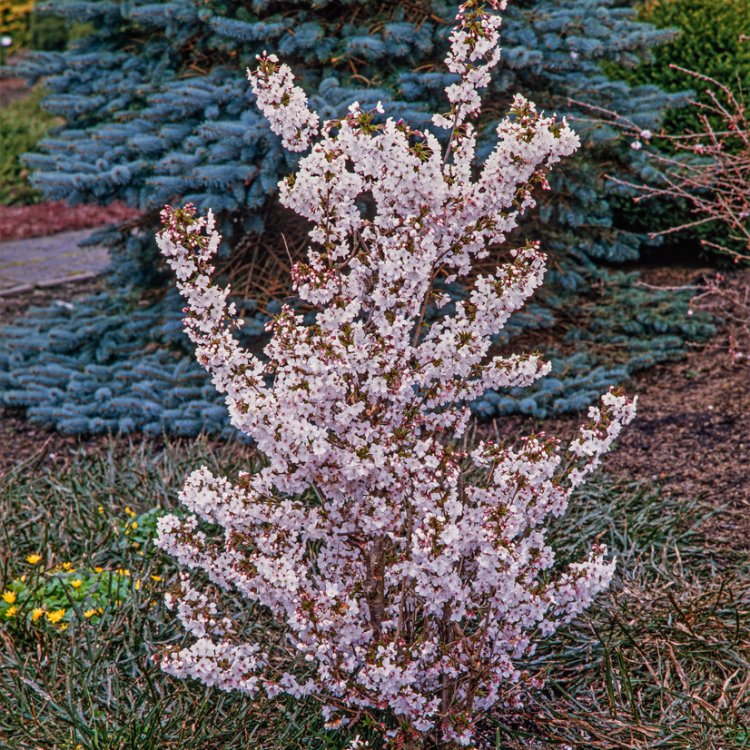
Prunus nipponica ‘Brillant’, the Brilliant Japanese Alpine Cherry, dazzles with white spring blossoms, offering crucial early nectar for bees. Its compact form and vibrant autumn foliage, showcasing fiery reds and oranges, ensure year-round appeal in UK gardens.
63 in stock
Discover the charm of Prunus nipponica ‘Brillant’, a compact ornamental cherry that captivates with stunning spring blossoms and fiery autumn foliage. This delightful deciduous tree, often known as the Brilliant Japanese Alpine Cherry, brings a cascade of beauty to any UK garden. Originating from Japan’s mountainous regions, this ‘Brillant’ cultivar shines with exceptional performance and visual appeal. It offers a captivating display throughout the seasons. Thus, it becomes a truly versatile and valuable addition to your outdoor space. Gardeners widely appreciate its robust nature and relatively compact size.
The name Prunus nipponica reveals its origins. ‘Prunus’ identifies the genus for cherries, while ‘nipponica’ refers to Nippon, a Japanese name for Japan. The cultivar ‘Brillant’ aptly describes its brilliant seasonal displays. This selection offers an enhanced visual impact, indeed living up to its name. It offers a promise of stunning garden moments.
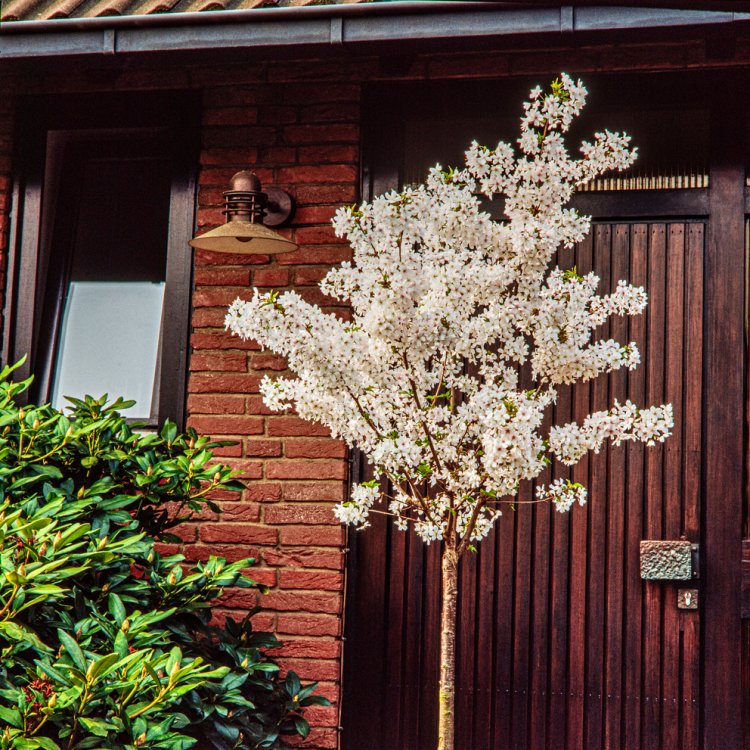
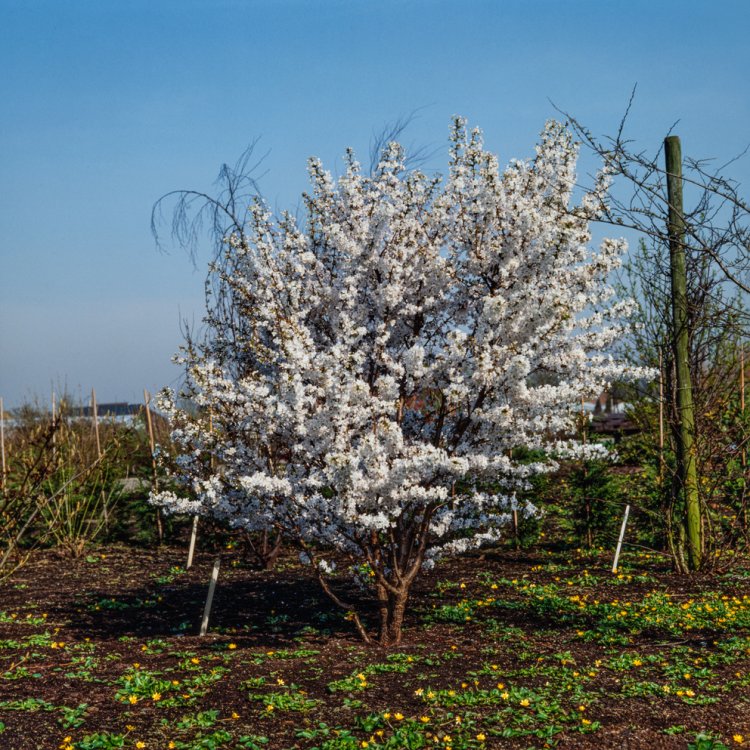
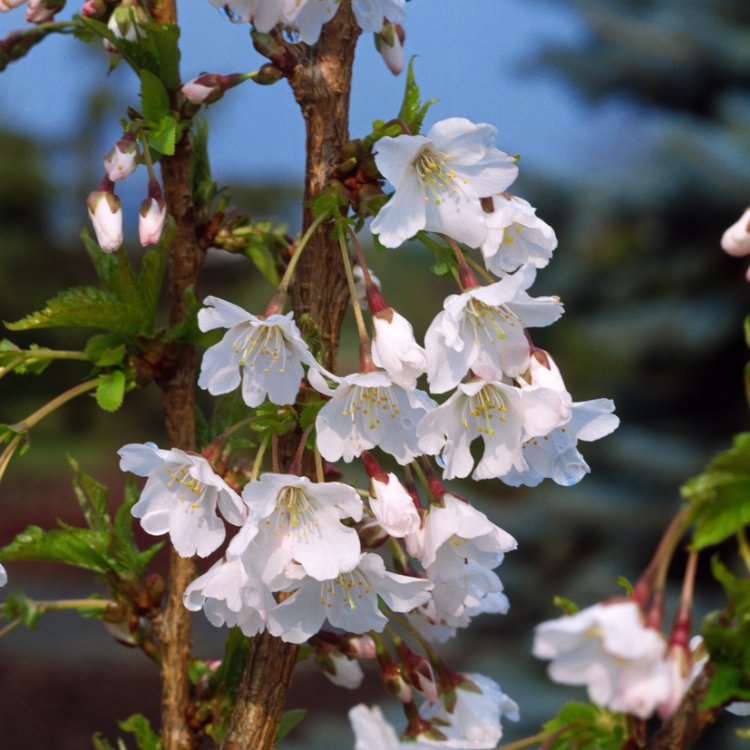
In early spring, often before its leaves fully unfurl, Prunus nipponica ‘Brillant’ bursts into life. It produces a spectacular abundance of single, cup-shaped flowers. These blossoms are pure white, sometimes showing a delicate pink flush. Consequently, they provide an important nectar source for early-waking bees and other pollinators. As spring progresses, its oval, finely toothed green leaves emerge. They create a fresh, verdant canopy throughout summer. Come autumn, the foliage transforms dramatically. It showcases a breathtaking palette of oranges, fiery reds, and deep purples. This provides a striking visual accent as other plants fade.
The Brilliant Japanese Alpine Cherry fits perfectly into various garden settings. Its manageable size makes it an excellent choice for smaller UK gardens, where it can serve as a specimen tree, adding a focal point to lawns. Furthermore, it works wonderfully planted in mixed borders or as part of a woodland edge design. While it naturally forms an attractive shape, Prunus nipponica ‘Brillant’ generally requires minimal pruning. You should only prune to remove any dead, damaged, or crossing branches. The best time for this light pruning is immediately after flowering. This avoids removing buds for the following year and minimises the risk of silver leaf disease.
This cherry tree significantly supports local wildlife. Its early spring flowers supply a vital food source for numerous pollinators, including various species of bees. They emerge when other nectar sources may still seem scarce. Therefore, planting this tree contributes directly to the biodiversity and health of your garden ecosystem. Your garden will thrive with its presence.
Very hardy. Tolerates temperatures typical of a continental winter.
Water regularly during dry periods, particularly for young plants, to ensure good establishment. Apply a generous mulch of well-rotted compost or bark annually around the base in spring; this helps retain soil moisture, suppress weeds, and enrich the soil. Prune lightly immediately after flowering to remove any dead, damaged, or crossing branches, maintaining the plant's elegant shape. Avoid heavy pruning, as this can stress the tree and increase the risk of silver leaf disease. Feed with a balanced granular fertiliser in early spring to support healthy growth and flowering.
This plant is deciduous so it will lose all of its leaves in the autumn and get fresh new foliage each spring.